In this post, learn what goes into dental implant pricing and which factors can change the final cost.
The Many Types of Dental Implants & Which Is Right for You
If you have been researching dental implants, you have probably come across several treatment names and wondered how they fit together. You may want to replace a single missing molar, fill a larger gap, or find a denture that stays put through dinner. Single-tooth implants, multi-tooth replacements, implant-supported dentures, and All-on-X address different amounts of tooth loss, with different ways of holding the replacement teeth in place.
At CarolinasDentist, we help patients throughout North Carolina compare those options. We start by examining your teeth, gums, bone, and bite, and asking what has become difficult at home. Whether you have been chewing on one side or reaching for denture adhesive more often, we can explain which replacements could work for you and what treatment would involve.
How Dental Implants Hold Replacement Teeth
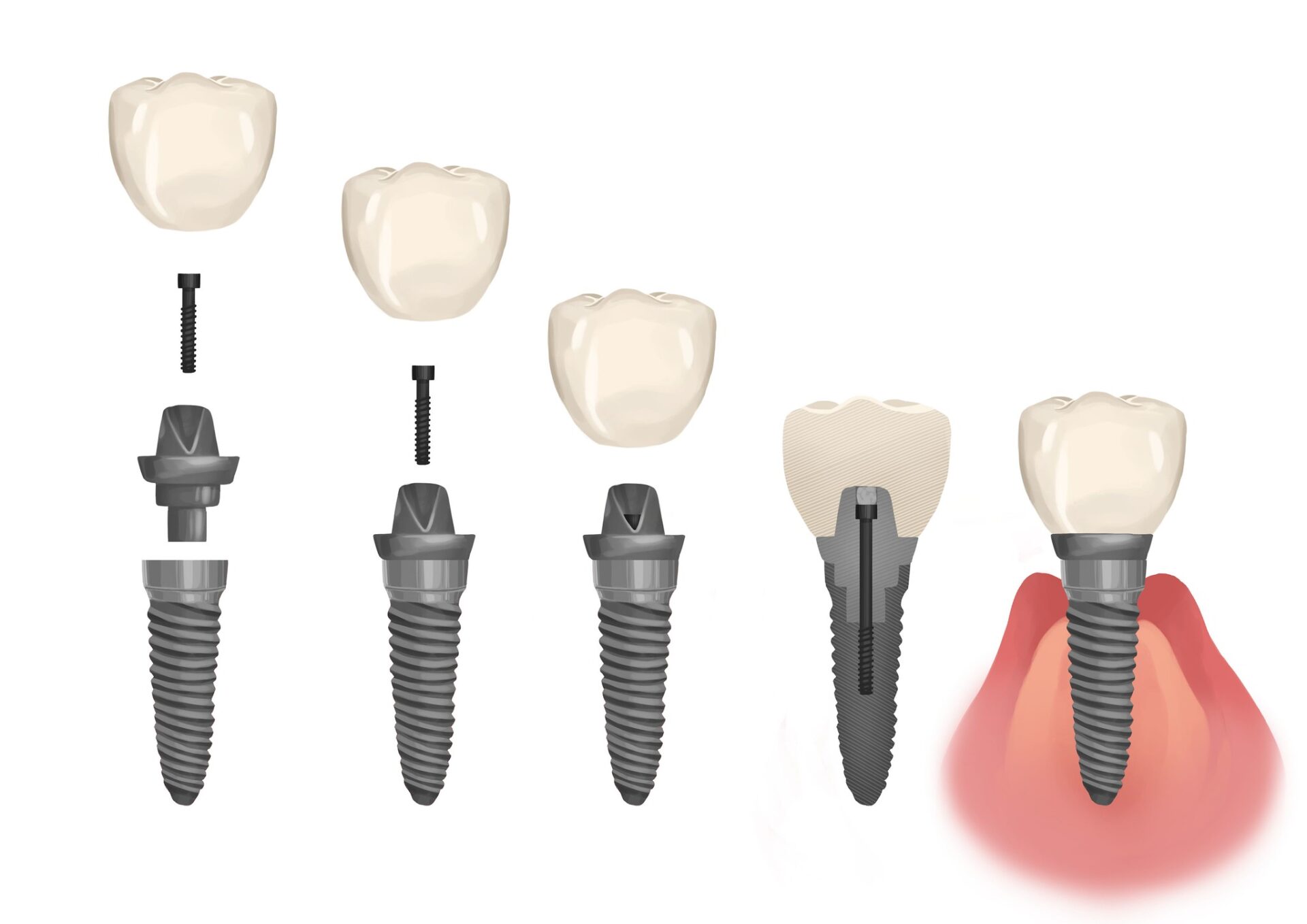
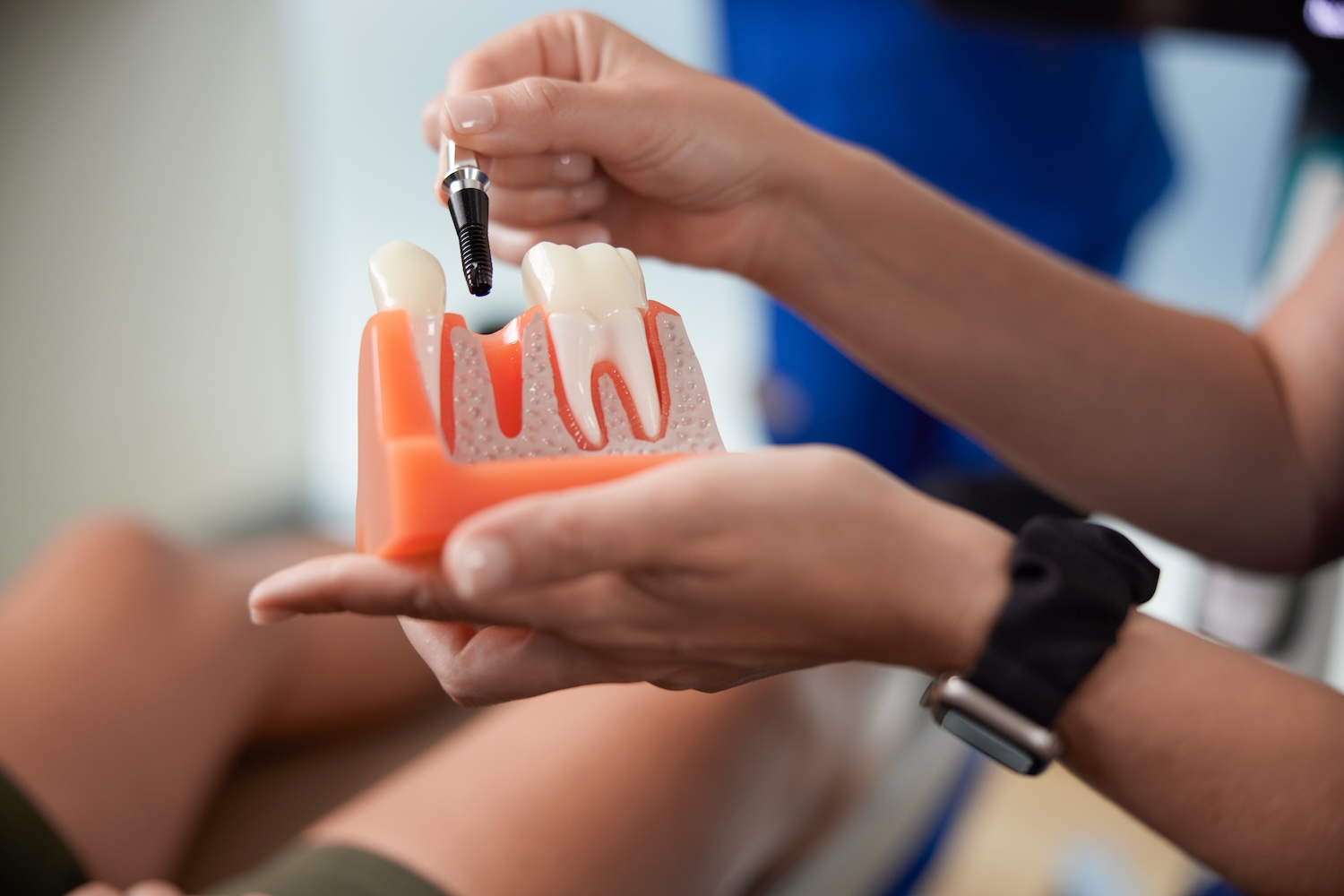
A dental implant sits within the jawbone and takes the place of a missing tooth root. As you heal, the surrounding bone bonds with the implant, creating an anchor for replacement teeth. A connector then joins the implant to the crown, bridge, or denture above the gums.
One missing tooth usually needs one implant with a crown attached to it. If several teeth are missing in a row, implants can support a bridge that fills the gap. And when all the upper or lower teeth need replacing, several implants can hold a complete set of teeth.
Before choosing that arrangement, we check where the bone can support implants and how your teeth meet when you bite. For example, a back molar needs to handle substantial chewing pressure, while a front tooth also needs careful attention to its appearance and gumline. We use those findings to plan where the implants will sit and how the replacement teeth will fit.
Single-Tooth Implants for One Missing Tooth
A single-tooth implant supports an individual crown in the space left by a missing tooth. That may be a front tooth you have been trying to hide when you smile or a back tooth you miss whenever you chew something firm. We shape the crown to fit alongside the neighboring teeth and meet the teeth above or below it.
Because the implant provides its own support, the adjacent teeth can remain intact without being prepared for a traditional bridge. However, the implant also needs enough healthy bone around it. If the tooth has been missing for years, some of that bone may have shrunk, and a bone graft may become part of treatment.
After placement, the implant needs time to bond with the bone before it can handle the planned chewing forces. In the meantime, you may wear a temporary replacement, depending on the site and treatment plan. We will explain how to clean the area, what you can chew, and when we expect to attach the final crown.
Multi-Tooth Implants for a Larger Gap
When several teeth are missing, where those gaps sit helps determine how we replace them. Separate spaces may call for individual implant crowns, while a row of missing teeth may be replaced with an implant-supported bridge. With a bridge, implants hold connected replacement teeth across the space.
This often allows us to replace several teeth without placing an implant beneath every one. Still, the bridge needs enough support for the length of the gap and the pressure from your bite. We also examine nearby teeth, since an older crown or heavily restored tooth may need care as part of the plan.
Once the bridge is in place, you will need to clean underneath it each day. Food and plaque can collect beneath the connected teeth, even after you have brushed their surfaces. A floss threader, interdental brush, or another recommended tool can help you reach those spaces.
If small cleaning tools are difficult to handle, bring that up while we are planning treatment. Arthritis, limited hand movement, or trouble reaching your back teeth can affect the routine you can maintain. We can practice the technique with you and find tools that you can use at home.
Implant-Supported Dentures for Added Stability
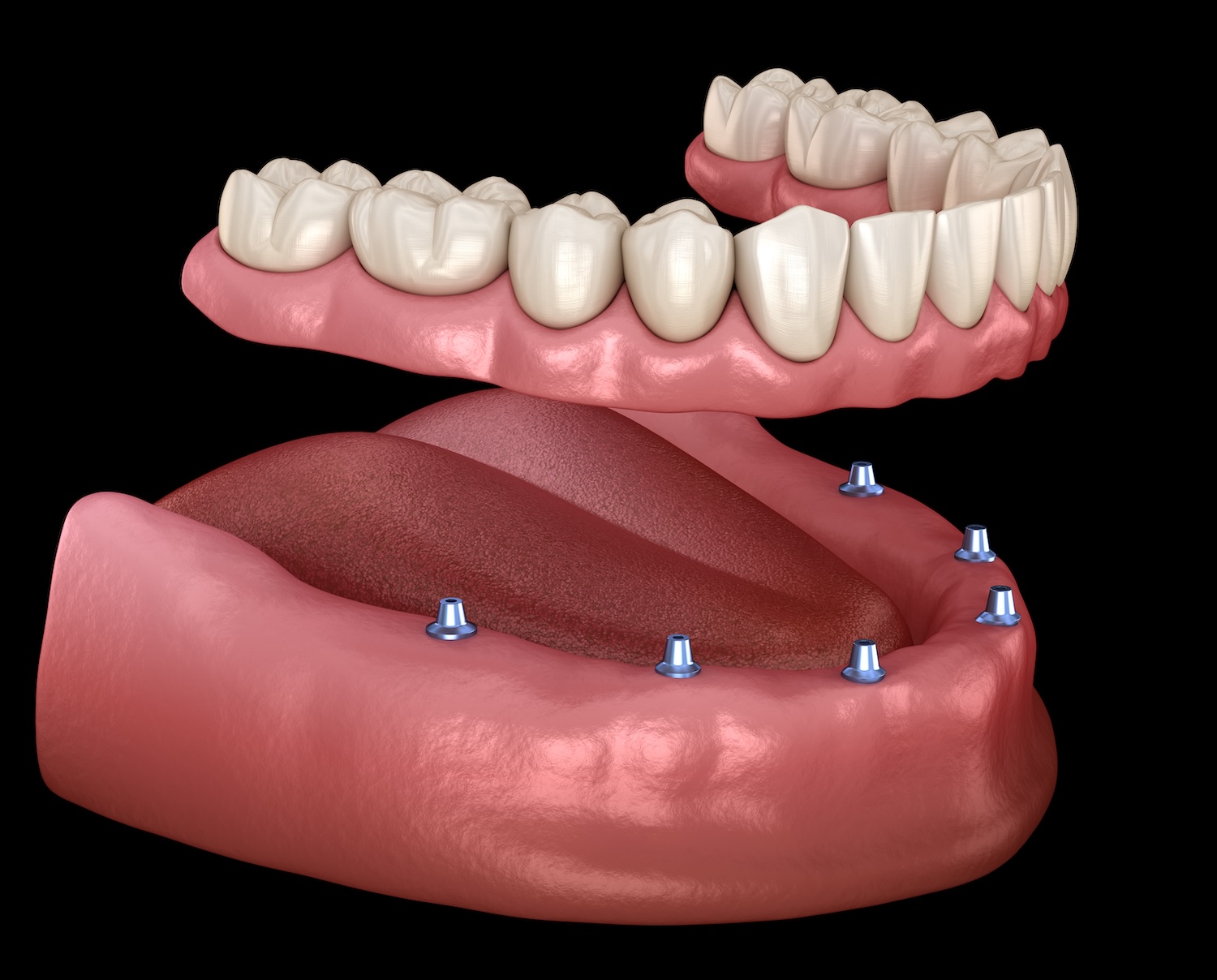
A denture that lifts when you speak or shifts during a meal can make you cautious about what you eat. Implants can help hold the denture more securely through attachments that connect it to the jaw. Some of these dentures remain removable and are often called snap-in dentures.
With a removable implant denture, you take it out for cleaning and overnight care according to your instructions. Depending on the design, the implants may provide retention, support, or both, while the gums may still carry some chewing pressure. We will show you how the denture attaches and how to clean the connectors and the areas around the implants.
Over time, those attachment components can wear, and the denture may start feeling less secure. The components may need replacement, while the denture itself may need an adjustment or repair. If you notice it moving more than it used to, we can check the fit and attachments.
If you already wear a denture, bring it to your consultation. We can examine its fit, condition, and design to see whether it can be adapted for implants. In some cases, a new denture is needed to fit the planned attachments and support.
Full-Arch Replacement and All-on-X
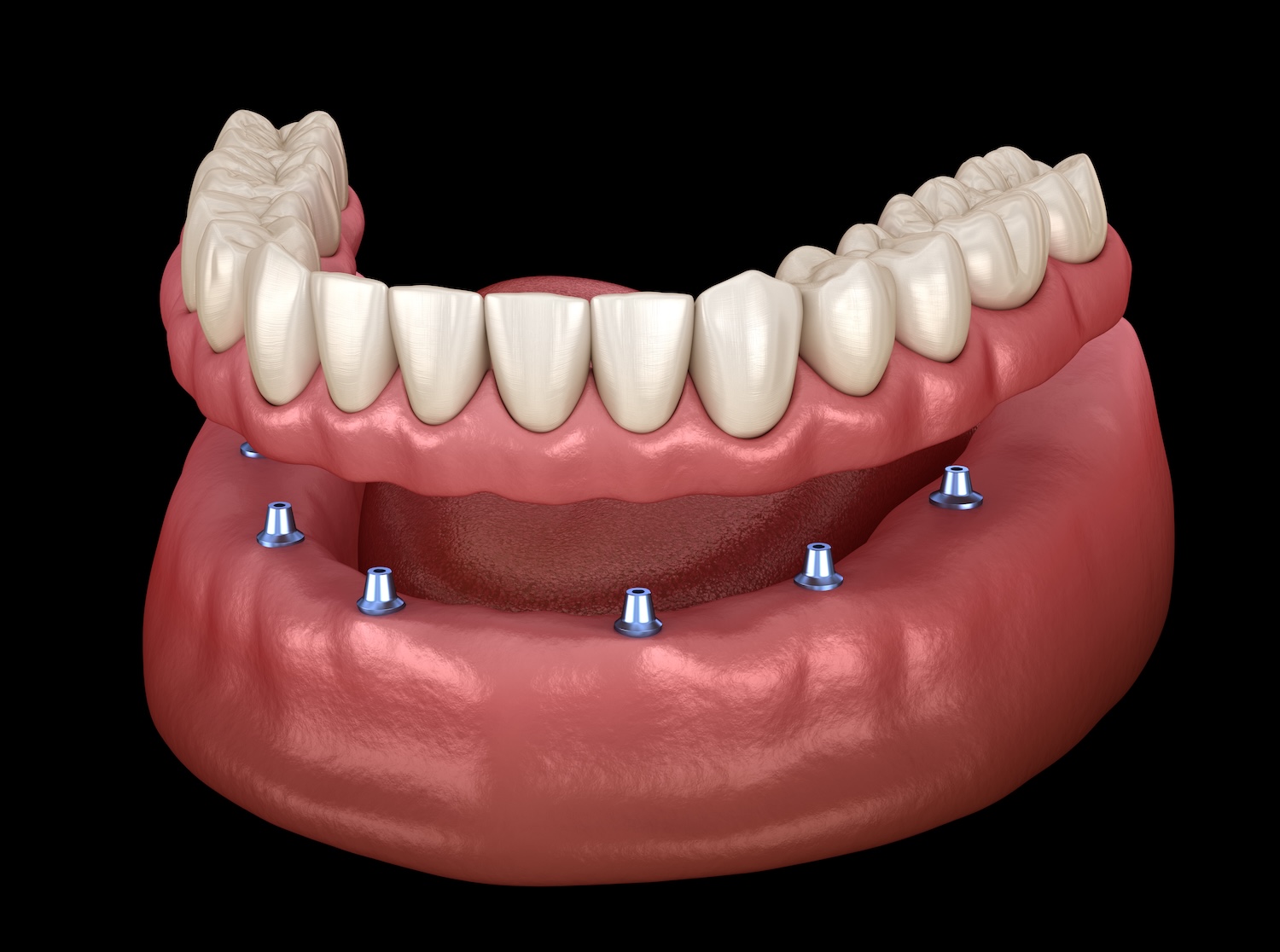
Full-arch treatment replaces all the teeth in the upper or lower jaw. The replacement may be a removable implant denture or a fixed set of teeth that stays in place. If both arches need replacement, we assess and plan each one separately.
All-on-X is a form of fixed full-arch treatment. Several implants support a complete row of replacement teeth, with the X referring to the number of implants used. That may be four, six, or another number, depending on your bone, bite, and restoration.
These teeth stay in your mouth while you eat, speak, and clean them. A dental professional removes them when needed for maintenance or repairs. If you have been taking a denture out every night, you will have a different cleaning routine to learn, including how to reach underneath the fixed teeth.
Before recommending full-arch replacement, we examine any remaining natural teeth and whether they can be maintained. Some patients have already lost an entire arch, while others have teeth with extensive decay, fractures, or loss of periodontal support. From there, we explain which teeth can be restored and when replacing the arch may offer a more predictable option.
In some cases, we can attach a fixed temporary arch around the time of implant placement. However, the implants need sufficient stability for that approach, and they still need time to heal. During that period, you will follow eating instructions and limit firmer foods while the implants bond with the bone.
At CarolinasDentist, we offer All-on-X treatment at selected North Carolina locations. These include Asheville, Cary, Fuquay-Varina, Wilmington–The Pointe, Southern Pines, and Spring Lake. We can help you arrange a consultation with a team that provides this treatment.
Choosing Between Fixed and Removable Teeth
How you clean your replacement is one of the everyday differences between fixed and removable options. A removable denture lets you clean it outside your mouth and reach the tissues and attachments directly. With a fixed bridge or full arch, you clean beneath the replacement while it stays in place.
Some patients prefer teeth that remain in place throughout the day and night. Others are comfortable removing a denture and like being able to see the surfaces they are cleaning. Before you decide, we can show you both approaches and walk through what each involves.
At the same time, we consider speech, lip support, and how much gum and bone tissue has been lost. Your replacement may need to replace some of that missing tissue along with the teeth. Its shape affects how it supports your lips, how you speak, and where you need to clean.
What to Expect During Treatment and Healing
Your treatment schedule depends on what needs to happen before and after implant placement. A recently missing tooth with adequate bone may follow a different timeline from an area that needs an extraction and grafting. We review those steps with you, including which procedures can happen together and where healing time is needed.
Before treatment begins, we also discuss what you will wear between appointments. Depending on the plan, that may be a removable replacement, a temporary crown, or a temporary full arch. We will explain how to care for it and any limits on eating while the area heals.
The cost depends on those treatment steps, too. Your estimate may include extractions, grafting, implants, connecting components, temporary teeth, and the final restoration. We also discuss future maintenance, since denture attachments can wear and replacement teeth may eventually need repairs.
Keeping the Tissues Around Implants Healthy
Once your replacement teeth are in place, plaque continues to form around them. Bacteria in that plaque can trigger inflammation in the surrounding tissues, and ongoing inflammation can damage the bone supporting the implants. Daily cleaning helps reduce that bacterial buildup above and along the gumline.
Your cleaning routine will depend on the replacement you have. A single crown needs cleaning around its base and between neighboring teeth, while a bridge or full arch also needs cleaning underneath. If you keep getting food caught in one spot or cannot comfortably reach an area, we can help you adjust your technique.
Meanwhile, professional visits allow us to remove deposits and monitor the tissues around the implants. We also check your bite, attachments, and replacement teeth for wear or damage. If you notice bleeding, soreness, or a change when you chew, contact us so we can examine the area.
Dental Implant Options at CarolinasDentist in North Carolina
You may have grown used to chewing around a gap or passing on foods because your denture moves. During an implant consultation, we can examine the areas that are giving you trouble and explain the options for replacing one tooth, several teeth, or a full arch. We will also go over healing, temporary teeth, cost, and the care each replacement needs.
Schedule a consultation with CarolinasDentist in North Carolina, and bring your current denture if you wear one. Bring your everyday questions, too, whether you want to know about biting into a sandwich or cleaning beneath your new teeth. We would love to help you get back to enjoying a meal without planning every bite around your teeth!
Related Posts