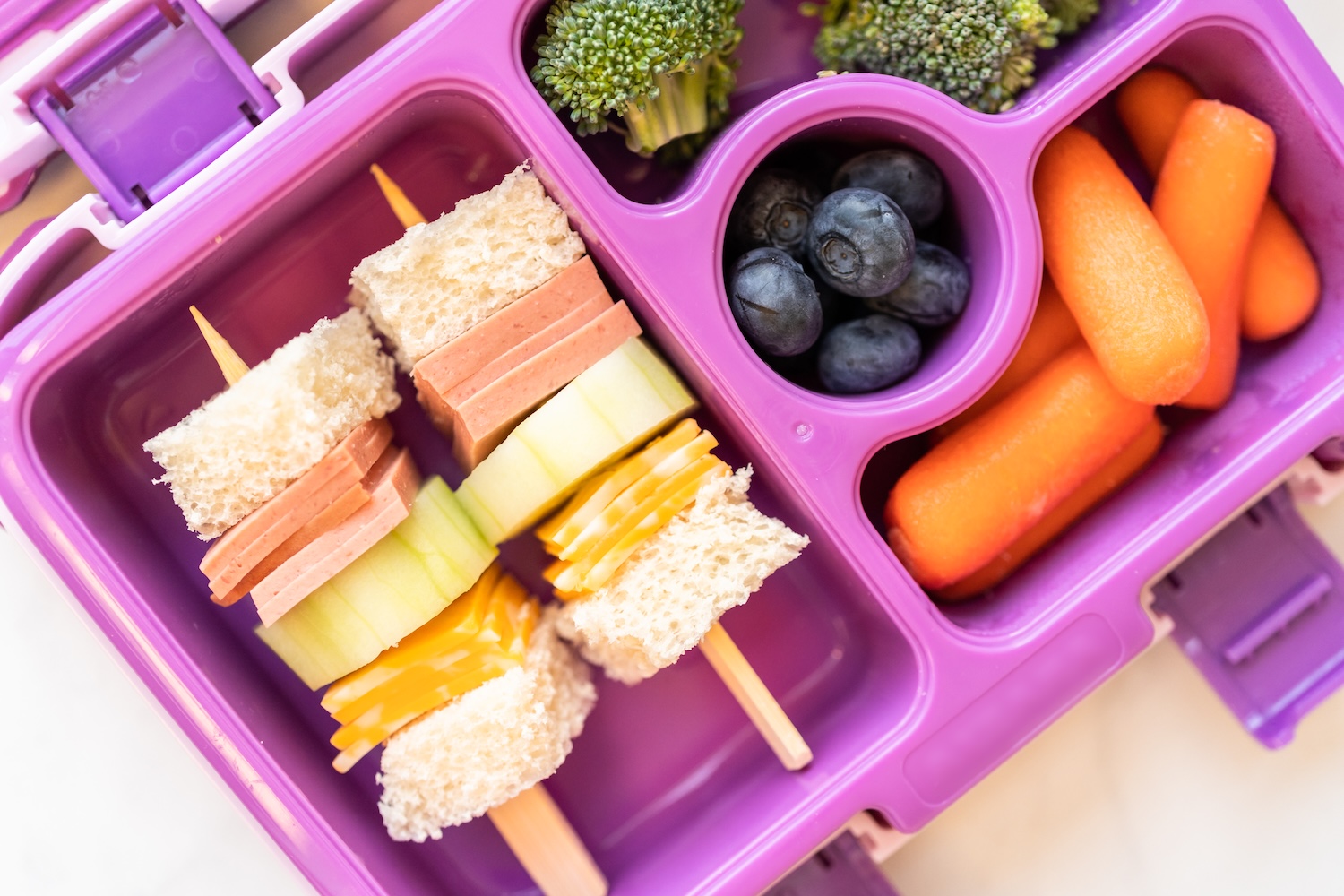
In this post, build an easier school lunch with kid-friendly foods, a fun snack, and simple choices that help keep growing smiles strong.
What Happens to Your Teeth When You Eat Candy Every Day for a Month?

Eating candy every day can increase your teeth’s exposure to sugar, but there is no fixed countdown to a cavity on day 30. If you have a few favorites with lunch, your mouth gets a break afterward. When you keep picking at the bag all afternoon, however, your teeth face repeated rounds of acid exposure with less time to recover between them.
At CarolinasDentist, we help patients throughout North Carolina look at how everyday habits affect their teeth. In October, that may mean the candy bowl at work, treats after school, and the Halloween bag that stays in the pantry well into November. If candy has become a daily habit, we can help you reduce those repeated exposures and check any tooth that has started bothering you.
What Happens After You Eat Candy
Plaque is a bacterial biofilm that forms on your teeth. When you eat candy, bacteria in that film use the sugar to produce acids. Those acids then pull minerals from enamel, weakening the tooth surface.
After you finish eating, saliva helps neutralize the acids and supplies minerals that support enamel repair. Fluoride helps that repair process, too, while making the surface more resistant to decay. However, if another sugary snack comes along before your mouth has had much time to recover, the cycle starts again.
Over time, teeth can lose more minerals than they replace, allowing decay to develop. Early mineral loss may improve with fluoride and changes to your daily habits. Once decay creates a hole, though, the tooth needs treatment to repair the damaged area.
Picking at the Bag All Afternoon Keeps the Acids Coming
You might only eat one or two pieces at a time, yet still expose your teeth to sugar throughout the day. A piece during an email break, another on the drive home, and a few while making dinner give plaque bacteria a fresh supply of sugar each time. As a result, your mouth has fewer breaks to neutralize acids and repair the enamel.
Instead, try having a few favorites with a meal. Saliva flow increases while you eat, helping wash away food and neutralize acids. Once you finish, have some water and put the candy away so the next handful does not become part of every trip through the kitchen.
Meanwhile, the drink beside the candy can keep supplying sugar after the wrappers are gone. If you sip sweetened coffee or soda for hours, each sip adds another exposure. Switching to water between meals gives your teeth a break from both the candy and the drink.
Sticky, Hard, and Sour Candies Affect Teeth Differently
Sticky candies can leave pieces in the grooves of back teeth and between them. For example, a caramel or gummy may still be clinging to a molar after you have finished eating. While it remains there, plaque bacteria can continue using its sugar to produce acids.
Hard candies and lollipops dissolve slowly, so sugar stays in your mouth longer. Then there is the temptation to crunch the last piece before it dissolves. Biting down can chip a tooth or damage a filling or crown, even when that last piece looks small.
Sour candies also contain acids that give them their tart flavor. With repeated contact, those acids can wear away enamel through erosion, in addition to the acids produced by plaque bacteria. Even a sugar-free sour candy can contain acidic ingredients, so removing the sugar only addresses part of the concern.
By comparison, plain chocolate generally melts and clears more readily. However, caramel and other chewy fillings can remain after the chocolate has gone. Whichever kind you choose, eating it with a meal reduces the separate exposures that come from reaching for another piece throughout the day.
Changes You Might Notice Within a Month
Some people notice sensitivity to sweets or cold, while others feel no change. That depends partly on the condition of the teeth before the daily candy habit began. A tooth with exposed roots, early decay, or an older damaged filling may react sooner than you expect.
If the same tooth keeps hurting when you eat something sweet, arrange an exam. Decay can cause that sensitivity, although cracks, recession, and other problems can feel similar. We can examine the tooth and explain what is causing it before you spend another month chewing around it.
At the same time, feeling no pain does not show whether decay is developing. Changes between teeth or around a filling may be difficult to see at home. Regular exams, along with X-rays when needed, help us check those areas.
Candy can also draw your attention to dental work that was already damaged. Perhaps a filling edge starts catching your tongue, or a crown moves after a chewy treat. If that happens, avoid chewing on the affected tooth and contact us so we can assess it.
Dry Mouth Makes Recovery Between Treats Harder
Saliva helps clear food, neutralize acids, and protect tooth surfaces. When saliva flow drops, your mouth has less of that protection between snacks. Medications and certain health conditions can contribute, so mention it if your mouth often feels sticky or you need water to swallow dry foods.
Some people keep mints or hard candy nearby because sucking on them makes their mouth feel less dry. However, if those products contain sugar, using them all day can increase cavity risk. We can discuss sugar-free, nonacidic options and other ways to manage the dryness.
Although drinking water may help you feel more comfortable, ongoing dry mouth may need additional care. Depending on your needs, we may recommend extra fluoride or suggest reviewing possible causes with your medical clinician. Continue taking medications as prescribed while you discuss those concerns.
Keep a Few Favorites and Change When You Eat Them
If Sour Patch Kids, SweeTARTS Ropes, or Snickers are your favorites, there is still room to enjoy them. Have a portion with lunch or dinner, then put the bag away instead of picking at it all afternoon. Between treats, saliva has time to clear residue and neutralize acids.
For children, deciding when to enjoy the candy can cut down on repeated requests for another piece. Let them choose a few favorites for that mealtime, then put the rest away together. Keeping the bag off the counter also makes it easier to move on once they have finished.
Meanwhile, keep brushing twice daily with fluoride toothpaste and cleaning between teeth each day. Sticky pieces can settle between teeth where a toothbrush cannot reach, so follow through with flossing even after the visible candy is gone. Younger children will need help reaching the back teeth and finishing the areas they skip.
After sour candy, rinse with water and allow time before brushing because acids can temporarily soften the enamel surface. Also, let hard candy dissolve instead of biting through it. If a wrapper will not open, reach for scissors rather than pulling it apart with your teeth.
How We Check Your Cavity Risk
During your exam, we look for early enamel changes, cavities, and problems around existing dental work. We also review previous decay, dry mouth, exposed roots, and areas that are difficult to clean. From there, we can recommend prevention that addresses the risks in your mouth.
Bring your questions about the snacks and drinks you use most often. For example, sugary mints throughout the workday may surprisingly expose your teeth more frequently than dessert after dinner. We can help you adjust those habits, demonstrate cleaning techniques, and discuss additional fluoride when needed.
Healthy Smiles at CarolinasDentist in North Carolina
A month of daily candy affects everyone differently, but cutting back on how often you reach for it can reduce repeated acid exposure. Enjoy a few favorites with meals, drink water afterward, and keep brushing and flossing consistent. If a tooth keeps reacting to sweets, let us examine it so you know what is happening.
Schedule a visit with CarolinasDentist at one of our 16 locations in North Carolina if you are due for a checkup or have recurring sensitivity. Bring your questions about candy, drinks, or the mints you keep nearby during the workday. We would love to help you enjoy your fall favorites without a sore tooth interrupting snack time!
Related Posts