In this post, compare single-tooth implants, implant bridges, snap-in dentures, and All-on-X—and see how everyday needs like chewing and cleaning help guide the choice.
Breaking Down the Cost of Dental Implants
Dental implants can feel expensive before you even know what is included. You hear one number from a friend, see another number online, and then find out your own treatment plan may look different because your mouth, bone health, insurance, and replacement needs are not the same as anyone else’s. That can make the cost feel confusing, especially when you are trying to make a practical decision about your health.
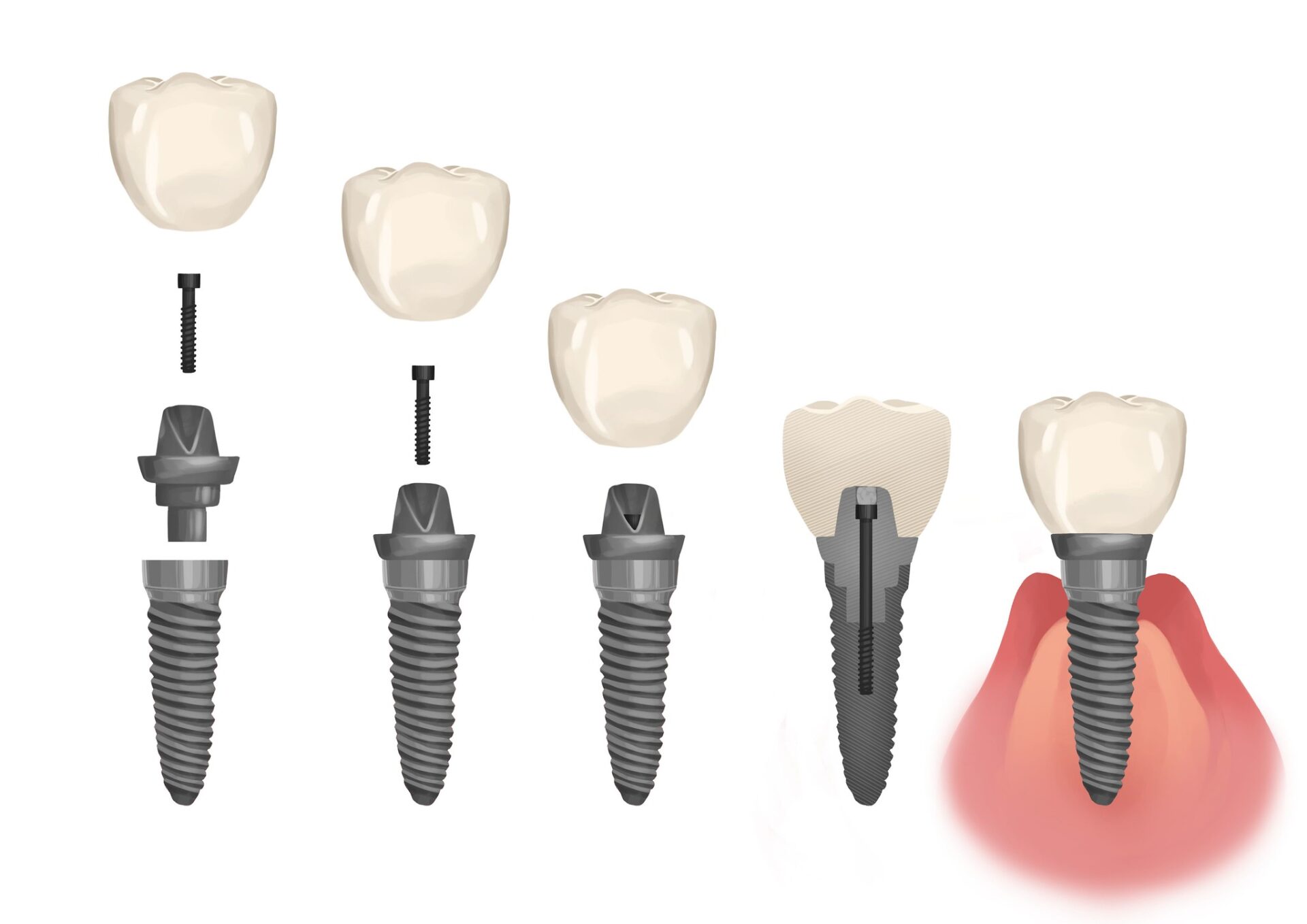
The truth is that a dental implant is not just one item. It is usually a series of steps that may include an exam, imaging, tooth removal if needed, bone grafting in some cases, implant placement, healing time, an abutment, and the final crown, bridge, or denture. Some patients need a straightforward single-tooth implant. Others need more planning because teeth have been missing for a while, bone has changed, or several teeth need to be replaced.
At CarolinasDentist, with locations across North Carolina, the team helps patients understand what goes into implant treatment and why costs can vary. The goal is to explain the full picture clearly, so you know what you are paying for, what may affect the total, and what questions to ask before moving forward.
Why Dental Implant Costs Can Vary So Much
Dental implant costs vary because no two treatment plans are exactly the same. One patient may need one implant to replace a single missing tooth, while another may need multiple implants to support a bridge or denture. A patient with strong bone and healthy gums may need fewer preparatory steps than someone who has had missing teeth for years.
The location of the missing tooth can also affect planning. A front tooth may require extra attention to gum shape and appearance, while a back tooth needs to handle heavy chewing pressure. Each situation brings different clinical decisions, materials, and timing.
The total cost may also depend on whether another procedure is needed first. For example, a damaged tooth may need to be removed before an implant can be placed. If there is not enough bone to support the implant, bone grafting may be recommended. If gum health needs attention, that may also be addressed before implant treatment begins.
Because of these factors, online price ranges can only tell part of the story. A personal consultation gives you a clearer estimate based on your actual teeth, bone, gums, and goals.
The Initial Exam and Consultation
The first part of implant treatment is the evaluation. Your dentist needs to look at the missing tooth area, review your health history, examine your gums, and understand what you want from treatment. This visit helps determine whether implants are a good option and what steps may be needed.
During the consultation, your dentist may ask how long the tooth has been missing, whether the area bothers you when chewing, and whether you are interested in replacing one tooth or several. These details help shape the treatment plan.
The exam also gives you a chance to talk about timing, comfort, insurance, financing, and alternatives. For some patients, an implant may be the best long-term option. For others, a bridge or partial denture may also be worth discussing.
At CarolinasDentist, this conversation is meant to make the process easier to understand. Before you invest in treatment, you should know what the plan includes and why each step is being recommended.
Imaging and Treatment Planning
Dental implants need careful planning because they are placed into the jawbone. Your dentist needs to know how much bone is available, where important structures are located, and what position will best support the final tooth replacement.
X-rays are often part of this process. In many cases, 3D cone beam imaging may also be recommended because it gives a more detailed view of the bone, nerves, sinuses, and surrounding anatomy, and CarolinasDentist offers this imaging in-house rather than referring patients out for it. This information helps guide implant placement and can reduce guesswork.
Imaging is one of the reasons implant treatment costs more than a simple filling or extraction. Depending on the type of imaging needed, this part of the process may range from a modest exam-related fee to several hundred dollars, especially when 3D imaging is used for surgical planning.
Although imaging may feel like an extra step, it is an important part of doing the treatment correctly. A well-planned implant is more likely to feel natural, look right, and hold up well over time.
Tooth Extraction Before an Implant
Some patients need a tooth removed before an implant can be placed. If the tooth is already missing, this step may not apply. However, if a tooth is cracked, infected, loose, or too damaged to repair, extraction may be part of the implant plan.
The cost of extraction can vary depending on the tooth. A simple extraction may cost a few hundred dollars, while a more involved extraction can cost more if the tooth is broken, infected, difficult to access, or has curved roots.
In some cases, bone grafting may be placed at the time of extraction to help preserve the area for a future implant. This can add to the cost, but it may also help create a better foundation for implant placement later.
Not every extraction site is ready for an implant right away. Your dentist will explain whether immediate placement is possible or whether the area needs time to heal first. That timing can affect the overall treatment plan and cost.
Bone Grafting and Why It May Be Needed
A dental implant needs enough healthy bone to support it. When a tooth has been missing for a while, the jawbone in that area can shrink because it is no longer being stimulated by the tooth root. Bone loss can also happen because of infection, gum disease, trauma, or a difficult extraction.
If there is not enough bone, a bone graft may be recommended. This procedure adds bone material to help rebuild or preserve the area where the implant will go. The graft may need time to heal before the implant is placed.
Bone grafting can increase the cost of implant treatment, but it is not something added without reason. In many cases, bone grafting may range from a few hundred dollars to over $1,000, depending on the size of the graft, the area being treated, and the complexity of the case. A smaller graft placed at the time of extraction may cost less than a more involved graft needed to rebuild a larger area.
Some patients do not need grafting at all. Others need a small graft, while some need more involved rebuilding. Imaging and an exam help determine what is necessary.
The Implant Post
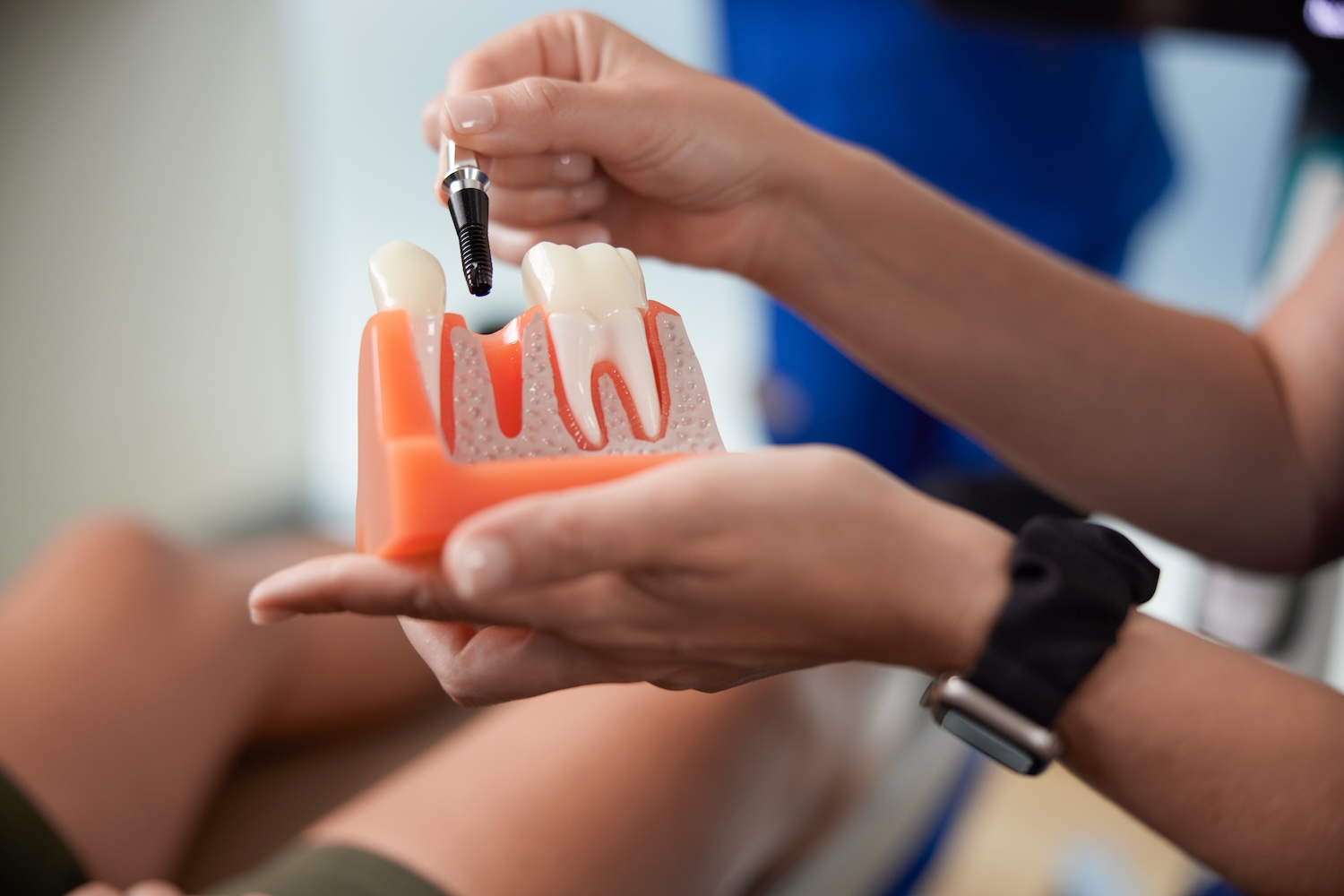
The implant post is the part that is placed into the jawbone. It acts like an artificial tooth root and provides the foundation for the replacement tooth. This is one of the main parts of the implant cost.
The implant post itself is made from biocompatible material, often titanium, and it is designed to integrate with the bone over time. This healing process is called osseointegration. It is what allows the implant to become stable enough to support chewing.
As a general range, the implant post and surgical placement may cost around $1,500 to $3,000 or more. The exact amount depends on the location of the implant, the complexity of placement, the materials used, and whether additional procedures are needed at the same time.
Once the implant is placed, it usually needs time to heal before the final tooth is attached. That healing period can vary depending on the case, bone quality, and whether any additional procedures were performed.
The Abutment
The abutment is the connector piece between the implant post and the final restoration. Once the implant has healed and integrated with the bone, the abutment is attached to the implant so it can support the crown, bridge, or denture.
Patients sometimes do not realize the abutment is a separate part of the implant process. This is one reason implant estimates can look different from office to office. One estimate may include the implant post, abutment, and crown together, while another may list them separately.
An abutment may range from several hundred dollars to $1,000 or more, depending on whether a standard or custom abutment is used. Custom abutments may be recommended in certain cases to improve fit, gumline appearance, or support for the final restoration.
When comparing implant costs, it is helpful to ask whether the abutment is included in the estimate. That can make the total easier to understand.
The Final Crown, Bridge, or Denture
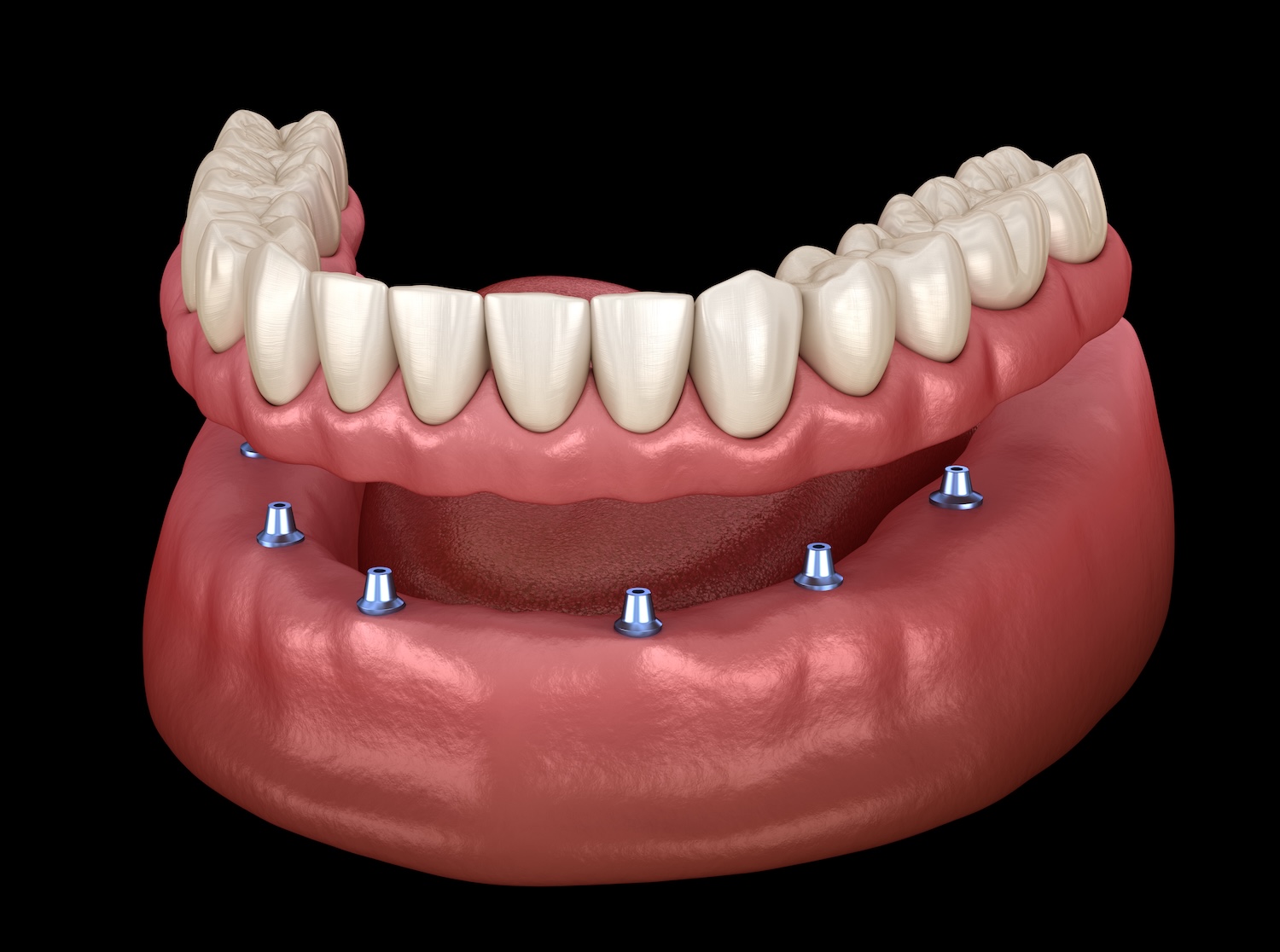
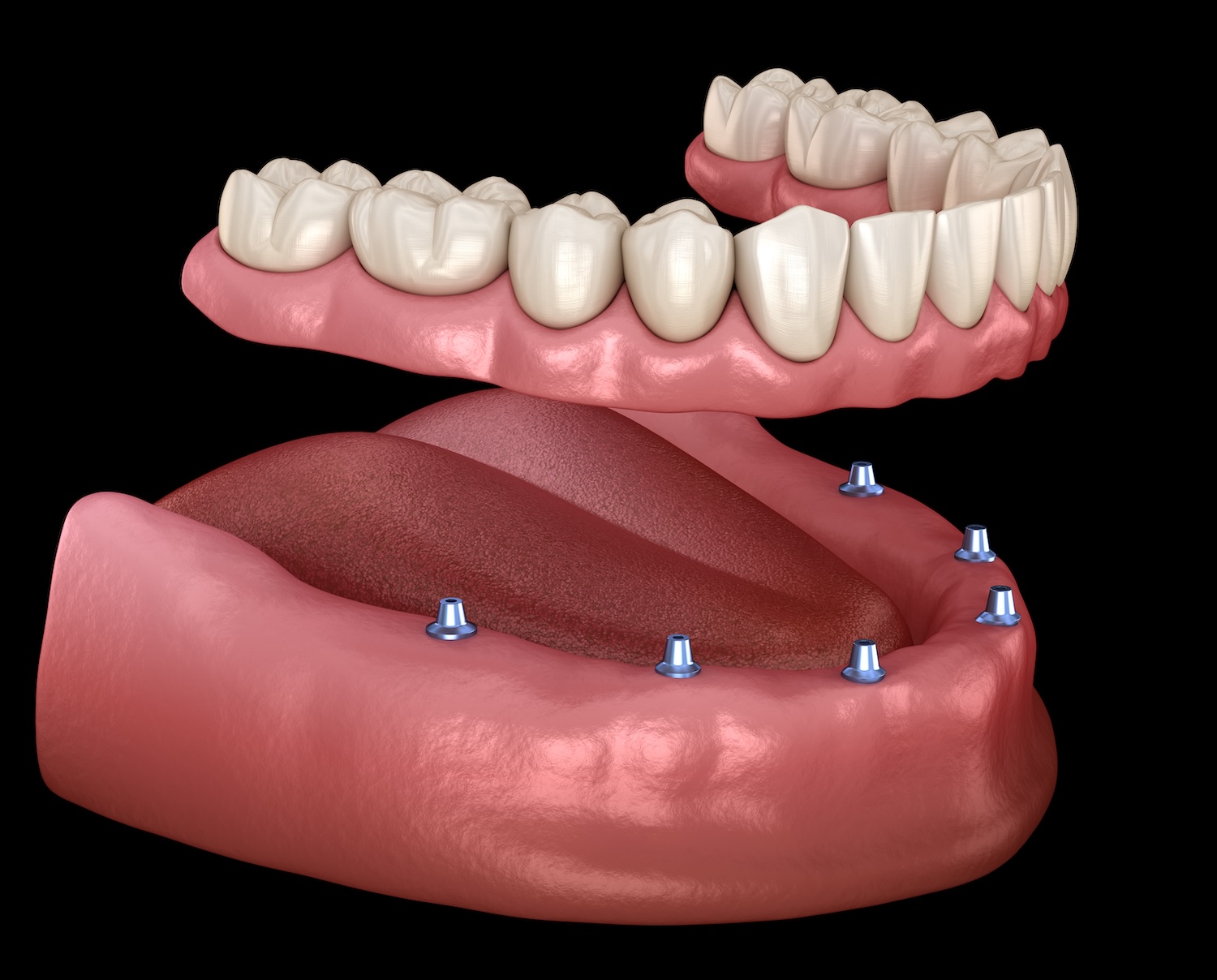
The final restoration is the tooth or teeth you see and use for chewing. For a single missing tooth, this is usually a crown. With several missing teeth, implants may support a bridge. For a full arch of missing teeth, implants may support a denture or a more fixed replacement option.
A single implant crown may range from about $1,000 to $2,500 or more, depending on the material, lab work, and design. Implant-supported bridges and dentures vary more widely because the cost depends on how many teeth are being replaced, how many implants are needed, and whether the restoration is removable or fixed.
The final restoration must be shaped carefully to fit your bite and look natural. It also needs to be strong enough for daily chewing. This part of treatment is just as important as the implant post because it is what you will feel and see every day.
When reviewing your estimate, ask what type of restoration is included and whether any future maintenance or replacement may be needed. Implant restorations can last for years, but like natural teeth and dental crowns, they still need care.
Single Implant vs. Multiple Implants
Replacing one tooth with one implant is usually more straightforward than replacing several teeth. A single dental implant with the implant post, abutment, and crown may often fall somewhere around $3,000 to $6,500 or more, depending on whether extractions, grafting, imaging, or temporary restorations are needed.
Multiple missing teeth do not always require one implant for every tooth. In some cases, two or more implants can support a bridge and replace several teeth together. This can sometimes be more practical than replacing each tooth individually, but the total cost depends on the number of implants, the size of the bridge, and the condition of the bone and gums.
Full-arch implant treatment is a different category. It may involve several implants supporting a denture or fixed prosthesis, and costs can range much higher because these plans require more planning, materials, appointments, and lab work.
This is why comparing implant costs by tooth count alone can be misleading. The design of the final restoration matters just as much as the number of implants.
How Dental Implants Compare With Bridges and Dentures
Dental implants are not the only way to replace missing teeth. Bridges and dentures may also be options, depending on your needs. Each choice has different costs, benefits, and maintenance.
A dental bridge replaces a missing tooth by using the neighboring teeth for support. It may cost less than an implant in some cases, but it usually requires reshaping the adjacent teeth. If those teeth are healthy, that may be an important consideration.
A partial denture is removable and can replace one or more missing teeth. It may have a lower upfront cost, but it may not feel as stable as an implant or bridge. It also needs to be removed and cleaned regularly.
Dental implants often have a higher upfront cost, but they do not rely on neighboring teeth for support and can provide strong chewing function. For many patients, the long-term value is part of the reason they choose implants.
Insurance Coverage for Dental Implants
Dental insurance coverage for implants varies widely. Some plans offer partial coverage for implant placement, abutments, crowns, or related procedures. Others may not cover implants at all, or they may cover a less expensive alternative instead.
Even when implants are covered, deductibles, annual maximums, waiting periods, missing tooth clauses, and frequency limits may affect payment. A plan may contribute toward the crown but not the implant post, or it may cover part of the extraction but not the graft.
Because insurance can be unpredictable, it is helpful to request an estimate before treatment begins. The dental team can help submit information to your insurance carrier and explain the expected benefits.
The key thing to remember is that insurance coverage is based on your plan, not only on the treatment you need. CarolinasDentist can help you understand the estimate, but the insurance company makes the final payment decision when claims are processed.
Why Cheaper Implant Quotes Can Be Hard to Compare
It is tempting to shop by price alone, especially when implant costs vary so much. However, a lower quote may not include every part of the process. It may include only the implant post and not the abutment, crown, imaging, extraction, grafting, temporary restoration, or follow-up visits.
That does not mean a lower estimate is automatically a problem. It just means you need to know what is included. A complete estimate should make it clear which parts of treatment are covered and which may be billed separately.
The experience of the dental team, quality of materials, lab work, imaging, and follow-up care can also affect cost. Implants are meant to function for years, so planning and precision matter.
Before comparing prices, ask for a breakdown. Once you know what each estimate includes, you can make a more informed decision instead of comparing numbers that may not cover the same treatment.
Financing and Payment Options
Because dental implants are a larger investment, many patients ask about payment options. Financing can help spread the cost over time, making treatment easier to manage within a household budget.
CarolinasDentist offers financing options through Sunbit and CareCredit for qualifying patients. These options may allow patients to break treatment costs into payments instead of paying the full amount upfront. Terms, approval, interest, and repayment details vary, so the team can help explain what options may be available.
Financing can be especially helpful when treatment happens in stages. For example, a patient may need an extraction first, then bone grafting, then implant placement, and later the final crown. In some cases, payments may be planned around the treatment timeline, insurance benefits, and the financing option selected.
A clear financial conversation before treatment can help reduce stress. You should know what is included, what insurance may contribute, what your estimated portion is, and what payment options may be available.
What You Are Really Paying For With Dental Implants
When you look at the cost of dental implants, it helps to think beyond the implant post itself. You are paying for diagnosis, planning, surgical placement, materials, follow-up, the abutment, the final restoration, and the experience needed to bring all of those steps together.
You are also paying for a tooth replacement that is designed to feel stable and function more like a natural tooth. A well-planned implant can help with chewing, smile appearance, bite support, and confidence in everyday life.
Implants can also help protect surrounding teeth because they do not require neighboring teeth to be reshaped the way a traditional bridge does. In addition, implants provide stimulation to the jawbone in the area where the tooth is missing.
The value is not only in replacing what is visible. It is in rebuilding function and creating a stable foundation for the future.
Questions to Ask During an Implant Consultation
Before starting implant treatment, ask what is included in the estimate. Does it include imaging, extraction, bone grafting, implant placement, abutment, crown, follow-up visits, or temporary restorations? This helps you avoid surprises later.
You may also want to ask whether you are a good candidate for implants, how much bone is available, and whether any treatment is needed before placement. If more than one tooth is missing, ask whether an implant bridge or another design would make sense.
Ask about timing as well. How long will healing take? When will the final crown or restoration be placed? Will you have a temporary option during the process?
Finally, ask about long-term care. Implants need brushing, flossing, professional cleanings, and routine exams just like natural teeth. Knowing how to maintain the implant is part of protecting your investment.
Dental Implant Costs Across North Carolina at CarolinasDentist
The cost of dental implants depends on many details, including the number of teeth being replaced, imaging, extractions, bone grafting, implant placement, abutments, final restorations, insurance coverage, and the overall complexity of the case. A single implant may be a very different investment than an implant-supported bridge or full-arch treatment.
At CarolinasDentist, with locations across North Carolina, patients can get a clearer picture of what implant treatment may involve and what the cost includes. The team can evaluate your oral health, explain your replacement options, and help you understand the difference between implants, bridges, and dentures.
If you are missing a tooth or have been told a tooth may need to be removed, schedule a consultation with a CarolinasDentist location near you. A personalized exam and treatment plan can help you understand your options, compare costs more clearly, and choose the path that makes sense for your smile.
FAQs
How much does a single dental implant cost? A single dental implant with the implant post, abutment, and final crown may often fall somewhere around $3,000 to $6,500 or more. The total depends on whether you need extraction, bone grafting, imaging, a temporary restoration, or other treatment.
How much does the implant post cost? The implant post and surgical placement may cost around $1,500 to $3,000 or more. The exact fee depends on the location of the implant, complexity of placement, materials used, and whether other procedures are done at the same time.
How much does a bone graft cost before an implant? Bone grafting may range from a few hundred dollars to over $1,000, depending on the size of the graft, the area being treated, and the complexity of the case. Not every patient needs bone grafting before an implant.
Does CarolinasDentist offer 3D imaging for dental implants? Yes, CarolinasDentist offers 3D cone beam imaging in-house when it is needed for implant planning. This helps the dental team evaluate bone, nerves, sinuses, and surrounding anatomy without sending patients elsewhere for that imaging.
Does dental insurance cover implants? Some dental insurance plans cover part of implant treatment, while others do not. Coverage may apply to certain steps, such as the crown, extraction, or implant placement, depending on your plan. Deductibles, annual maximums, and waiting periods may also apply.
What parts are included in a dental implant? A dental implant treatment plan may include the implant post, abutment, and final crown, bridge, or denture. It may also include imaging, extraction, bone grafting, temporary restorations, and follow-up visits depending on the case.
Can I finance dental implants at CarolinasDentist? CarolinasDentist offers financing options through Sunbit and CareCredit for qualifying patients. These options may help patients break treatment costs into payments instead of paying the full amount upfront.
Are dental implants worth the cost? For many patients, implants are worth considering because they replace missing teeth with stable support, help maintain chewing function, and do not require reshaping neighboring teeth like a traditional bridge. The value depends on your oral health, goals, budget, and long-term needs.
Image from Authority Dental under CC 2.0
Related Posts