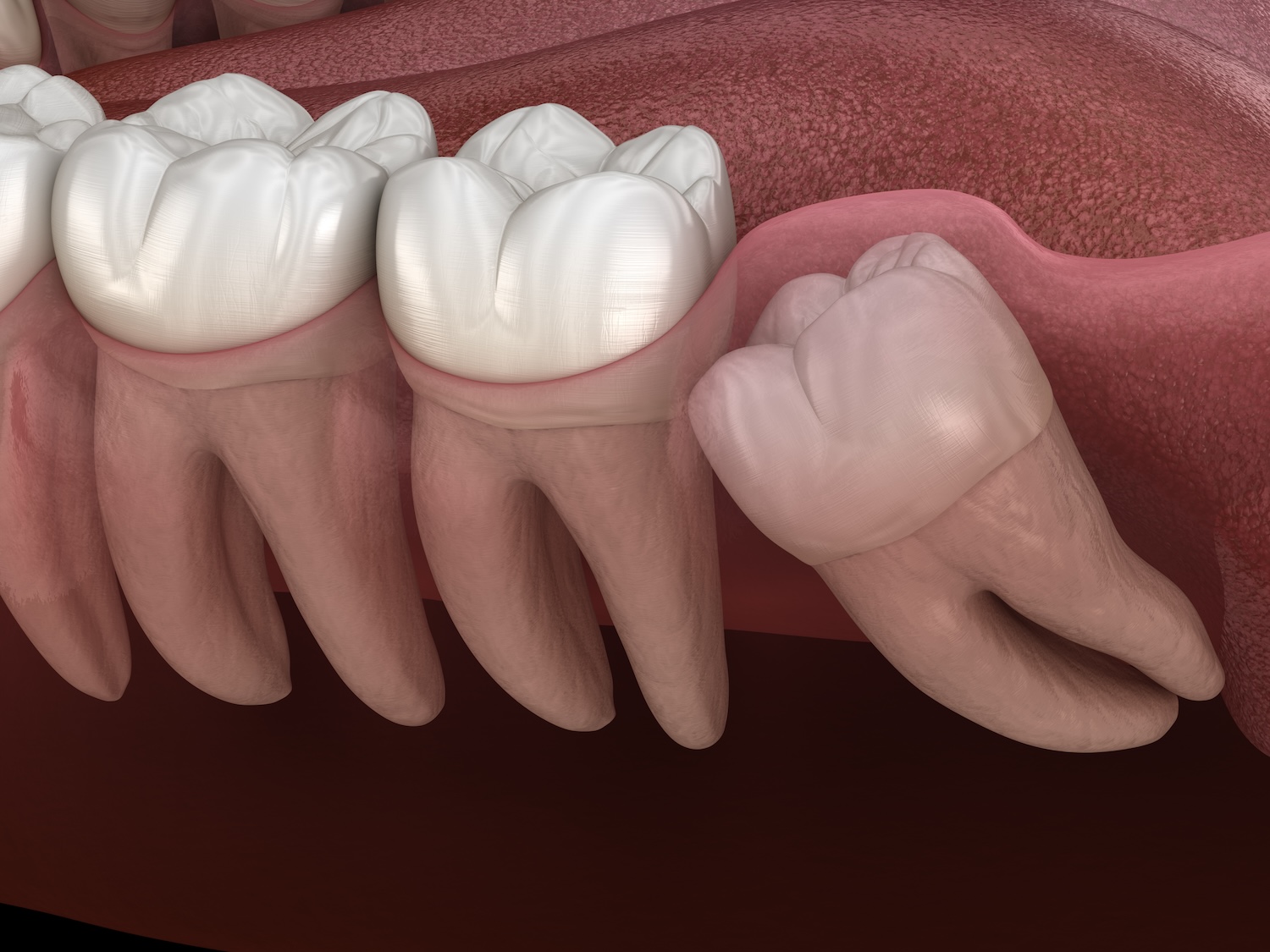
In this post, we explain why summer is the perfect time for wisdom tooth removal and how to maximize your recovery time.
Tooth Extraction vs Root Canal: Which Do You Really Need?

When a tooth starts hurting badly enough that you cannot ignore it, the mind usually goes to one of two places. Either the tooth needs to come out, or it needs a root canal. Both sound serious, and if you are already in pain, it can be hard to think clearly about which option makes the most sense.
The truth is that tooth pain does not always tell the whole story. A tooth that hurts intensely may still be savable, while a tooth that only bothers you now and then may have damage that is too severe to repair predictably. That is why the decision between a tooth extraction and a root canal should be based on an exam, X-rays, tooth structure, infection level, gum support, and long-term prognosis—not just how the tooth feels that day.
At CarolinasDentist, with sixteen locations across North Carolina, the team helps patients understand what is happening and what their options are before treatment begins. The goal is not to rush you toward one choice. It is to explain whether the tooth can be saved, whether removing it is the healthier option, and what each path means for your comfort, function, and future dental care.
What a Root Canal Is Designed to Do
A root canal is used when the inside of a tooth becomes inflamed or infected. Inside each tooth is soft tissue called pulp, which contains nerves and blood vessels. Deep decay, a crack, trauma, or a failing restoration can allow bacteria to reach that inner space. Once that happens, the tooth may become painful, sensitive, or infected.
During root canal treatment, the infected or damaged pulp is removed from inside the tooth. The canals are cleaned, shaped, filled, and sealed so bacteria are less likely to return. In many cases, a crown is placed afterward to protect the tooth and help it handle normal chewing forces.
The main purpose of a root canal is to save the natural tooth. If the tooth still has enough healthy structure and support, root canal therapy can relieve pain while keeping the tooth in place. This can be important because natural teeth help maintain chewing function, bite stability, and the spacing between neighboring teeth.
Although root canals have a reputation for being uncomfortable, the treatment is meant to remove the source of pain. With modern techniques and local anesthesia, many patients say the appointment feels more manageable than they expected.
What a Tooth Extraction Is Designed to Do
A tooth extraction removes a tooth that cannot be saved or should not remain in the mouth. Sometimes a tooth is too broken, too infected, too loose, or too damaged to restore in a predictable way. In those cases, taking the tooth out may be the best way to stop pain, control infection, and protect the surrounding teeth and gums.
Extractions may be recommended for several reasons. A tooth may have a deep crack that extends below the gumline. There may not be enough healthy tooth structure left to support a crown. Gum disease may have weakened the bone around the tooth. In other cases, infection may be severe enough that saving the tooth is unlikely to hold up well.
The goal of an extraction is not simply to “get rid of the tooth.” It is to remove a source of infection or damage when keeping the tooth would create more problems. Afterward, your dental team can talk with you about replacement options if needed, such as a dental implant, bridge, or partial denture.
For many patients, the biggest concern is what happens after the tooth is removed. That is an important part of the conversation because replacing a missing tooth can help protect your bite, chewing ability, and surrounding teeth over time.
When a Root Canal May Be the Better Choice
A root canal may be the better option when the tooth can still be restored and supported. This often means there is enough healthy tooth structure above the gumline, the root is stable, and the bone around the tooth is in reasonably good condition.
For example, if a tooth has deep decay that reached the nerve but the rest of the tooth is strong enough for a crown, a root canal may allow you to keep it. The same may be true for a tooth with an infection at the root tip, as long as the tooth is not cracked beyond repair and the surrounding support is healthy enough.
Saving the tooth can also help prevent other issues. When a tooth is removed and not replaced, nearby teeth may shift, chewing may feel different, and the bite can change over time. Keeping your natural tooth, when it is realistic to do so, may help avoid those problems.
That said, saving a tooth only makes sense if it has a good chance of lasting. Your dentist will look closely at the tooth, the X-rays, and the surrounding structures before recommending root canal treatment.
When an Extraction May Be the Better Choice
An extraction may be recommended when the tooth cannot be repaired in a way that is stable over time. This can happen when a tooth is badly broken, deeply cracked, severely decayed, or loose from advanced gum disease.
A deep vertical crack is one example. If the crack travels down the root, a root canal usually cannot solve the problem because bacteria can continue entering through the fracture. In that situation, removing the tooth may be the more predictable option.
Extraction may also be the better choice if too much tooth structure is missing. A crown needs a stable foundation to hold onto. If there is not enough tooth left, even a root canal and crown may not last well.
There are also cases where the surrounding gum and bone support matter more than the tooth itself. If gum disease has caused major bone loss around a tooth, the tooth may not be stable enough to save. In those situations, your dentist may talk with you about removing the tooth and planning for a replacement instead.
Pain Level Alone Does Not Decide the Treatment
It is understandable to assume that worse pain means the tooth needs to be removed. However, pain level does not always match the severity of the problem. Some teeth with intense pain can be saved with a root canal, while some teeth with little pain may have cracks or bone loss that make them poor candidates for long-term repair.
For instance, an inflamed nerve can cause significant pain even when the tooth structure is still restorable. In that case, a root canal may remove the source of pain and allow the tooth to stay in place. On the other hand, a tooth with a deep crack may only hurt when chewing, but the crack may still make the tooth impossible to save.
This is why diagnosis matters. Your dentist may test how the tooth responds to cold, heat, tapping, biting pressure, and X-rays. These details help show whether the issue is nerve inflammation, infection, fracture, gum disease, or something else.
Before deciding between a root canal and extraction, it is important to know what is actually causing the symptoms. Guessing can lead to treatment that does not solve the real problem.
What Your Dentist Looks for Before Recommending Treatment
Before recommending a root canal or extraction, your dental team will evaluate several factors. The first is whether the tooth can be restored after treatment. A root canal removes infection from inside the tooth, but the tooth still needs enough structure to hold a filling or crown afterward.
The second factor is the root and bone support. A tooth with healthy roots and stable bone has a better chance of lasting after treatment. If the tooth is loose or the bone support is poor, extraction may be more practical.
Your dentist will also look for cracks. Some cracks are small and manageable, while others extend too deeply to repair. X-rays can help, but not every crack shows clearly on an X-ray, so bite tests and visual exams may also be used.
Finally, your dentist will talk with you about your health, preferences, budget, and long-term goals. A treatment plan should make sense clinically, but it also needs to fit your situation. At CarolinasDentist, the team works to explain these factors clearly so patients can make informed decisions.
What Happens If You Choose a Root Canal
If a root canal is the right option, the tooth is numbed so you can stay comfortable during treatment. The dentist makes a small opening in the tooth to access the infected or inflamed pulp. The inside of the tooth is then cleaned and shaped carefully.
Once the canals are cleaned, they are filled and sealed. This helps prevent bacteria from returning. Depending on the tooth, a temporary or permanent filling may be placed at that visit, and a crown may be recommended afterward.
Back teeth usually need crowns after root canal treatment because they handle heavy chewing pressure. A crown covers and protects the tooth, reducing the risk of fracture. Front teeth may not always need crowns, depending on how much tooth structure remains.
After treatment, soreness for a few days can be normal, especially if the tooth was painful before the appointment. However, the deeper infection or nerve pain should begin to improve once the source has been treated.
What Happens If You Choose an Extraction
If an extraction is recommended, the area is numbed before the tooth is removed. The exact process depends on the tooth’s condition, position, and root shape. Some extractions are simple, while others require a more involved approach, especially if the tooth is broken or difficult to access.
After the tooth is removed, a blood clot forms in the socket. That clot protects the area while healing begins. Your dental team will give you instructions about biting on gauze, avoiding straws, choosing soft foods, and keeping the area clean without disturbing the clot.
The first few days are usually the most important part of recovery. Mild soreness and swelling can happen, but symptoms should gradually improve. If pain gets worse after a few days, or if there is heavy bleeding, swelling, fever, or a bad taste that does not go away, you should call the office.
After healing, your dentist can talk with you about replacing the missing tooth if needed. Replacement is not always immediate, but it is worth discussing early so you understand your options.
Why Replacing an Extracted Tooth Often Matters
When a tooth is removed, the space left behind can affect more than appearance. Neighboring teeth may slowly shift toward the empty space. The opposing tooth may also move because it no longer has a tooth to bite against. Over time, these changes can affect the way your teeth fit together.
Missing teeth can also change chewing patterns. You may start chewing more on one side, which can place extra stress on other teeth. Depending on which tooth is removed, speech and smile appearance may also be affected.
Common replacement options include dental implants, bridges, and partial dentures. A dental implant replaces the tooth root with a small post and supports a crown. A bridge uses neighboring teeth to support a replacement tooth. A partial denture is a removable option that can replace one or more missing teeth.
If extraction is the best treatment, your dentist can help you think through replacement options before the tooth is removed or soon after. Planning ahead can make the process feel more organized and less uncertain.
Cost and Insurance Can Affect the Decision
Cost is a real part of dental decisions, and it is worth talking about openly. A root canal often involves the root canal treatment itself and, in many cases, a crown afterward. An extraction may cost less at first, but replacing the missing tooth later can add to the total cost.
Insurance coverage can vary depending on your plan. Some plans may cover part of a root canal, crown, extraction, implant, bridge, or denture, while others may have waiting periods, annual maximums, or missing tooth clauses. Because of that, the lowest immediate cost is not always the lowest long-term cost.
The team at CarolinasDentist can help patients understand estimated benefits and treatment options before moving forward. While insurance companies make the final decision when claims are processed, reviewing benefits ahead of time can help you plan more clearly.
The goal is to choose treatment based on health, function, and long-term value—not pressure or confusion.
Why Waiting Can Limit Your Options
When a tooth is infected, cracked, or badly decayed, waiting rarely makes the situation easier. Pain may come and go, but the underlying problem can continue to progress. What might be treatable with a filling today may need a root canal later. What might be saved with a root canal now may eventually need to be removed.
Delaying care can also increase the risk of swelling, abscess, and infection spreading beyond the tooth. Dental infections should be taken seriously, especially if you notice facial swelling, fever, trouble swallowing, or worsening pain.
Getting an exam does not automatically mean you will need major treatment. Sometimes the solution is simpler than expected. However, if the tooth does need a root canal or extraction, knowing sooner gives you more control over timing and planning.
A dental visit can turn a vague worry into a clear answer. That alone can make the next step easier to handle.
How CarolinasDentist Helps Patients Choose the Right Option
Choosing between a tooth extraction and a root canal can feel like a lot, especially if you are in pain. CarolinasDentist helps patients by starting with a careful diagnosis, then explaining what each option means in practical terms.
The team will look at whether the tooth can be saved, how strong it is likely to be after treatment, what recovery may involve, and whether replacement will be needed if the tooth is removed. They can also talk through timing, insurance estimates, comfort, and long-term care.
With locations across North Carolina, CarolinasDentist makes it easier for patients to get tooth pain evaluated without having to travel far out of the way. Early morning and evening appointment times at many locations can also help patients fit care around work, school, and family schedules.
The decision should not feel like guesswork. With the right exam and explanation, you can understand what your tooth needs and why.
Tooth Extraction vs Root Canal Care Across North Carolina at CarolinasDentist
If you are dealing with tooth pain, swelling, a cracked tooth, or a deep cavity, it is worth scheduling an appointment before the problem gets worse. A root canal may be able to save the tooth, while an extraction may be the better choice if the tooth cannot be repaired predictably.
CarolinasDentist serves patients across North Carolina with locations in communities including Asheville, Cary, Chapel Hill, Durham, Fayetteville, Fuquay-Varina, Garner, Gastonia, North Raleigh, Raeford, Southern Pines, Spring Lake, Wilmington, Porters Neck, and Winston-Salem. As a group practice, the team can help patients understand their options and choose care that fits their oral health needs.
If you are unsure whether you need a tooth extraction or a root canal, schedule a visit with the CarolinasDentist location that works best for your routine. A clear diagnosis can help you take care of the tooth before pain, infection, or damage becomes harder to manage.
FAQs
Is it better to get a root canal or pull the tooth? It depends on whether the tooth can be saved. If the tooth has enough healthy structure and support, a root canal may allow you to keep it. If the tooth is badly cracked, loose, or too damaged to restore, extraction may be the better option.
Does a root canal hurt more than an extraction? Both treatments are done with local anesthesia, so the area should be numb during the procedure. A root canal is designed to remove the source of tooth pain, while an extraction removes the tooth completely. Recovery feels different for each, and your dentist can explain what to expect based on your case.
Why not just pull the tooth instead of getting a root canal? Removing a tooth may solve the immediate problem, but it also leaves a space that can affect chewing, bite alignment, and nearby teeth over time. If the tooth can be saved in a predictable way, keeping it may help preserve your natural bite.
When is a tooth too damaged for a root canal? A tooth may be too damaged if it has a deep crack, severe decay below the gumline, poor bone support, or not enough healthy structure left for a crown. Your dentist will evaluate the tooth before recommending treatment.
Will I need a crown after a root canal? Many back teeth need crowns after root canal treatment because they handle heavy chewing pressure. A crown helps protect the tooth from cracking. Front teeth may not always need crowns, depending on how much structure remains.
What happens after a tooth extraction? After an extraction, the area needs time to heal. Your dentist will give you instructions for eating, cleaning the area, and protecting the blood clot. Once healing is underway, you can discuss replacement options such as an implant, bridge, or partial denture if needed.
Should I wait to see if tooth pain goes away? It is better not to wait if pain keeps coming back, worsens, or is paired with swelling, sensitivity, or pain when chewing. Dental infections and cracks can progress over time, and early care often gives you more treatment options.
Related Posts