In this post, learn why waiting until January can turn a small dental problem into a bigger repair—and which symptoms are worth getting checked before the holiday rush.
Celebrating Dental Diversity Month: Why Inclusive Dental Care Matters

A dental office sees more than teeth. It sees work schedules, health histories, languages, past experiences, family routines, financial stress, dental anxiety, mobility needs, sensory concerns, and people who may have spent years trying not to think about their mouth at all. By the time someone sits in the chair, there is often more to the visit than plaque and X-rays.
That is where inclusive dental care matters. It means the dental team pays attention to the person in front of them, not just the procedure on the schedule. It means explaining things clearly, making space for questions, avoiding assumptions, and understanding that patients do not all arrive with the same background, comfort level, or access to care.
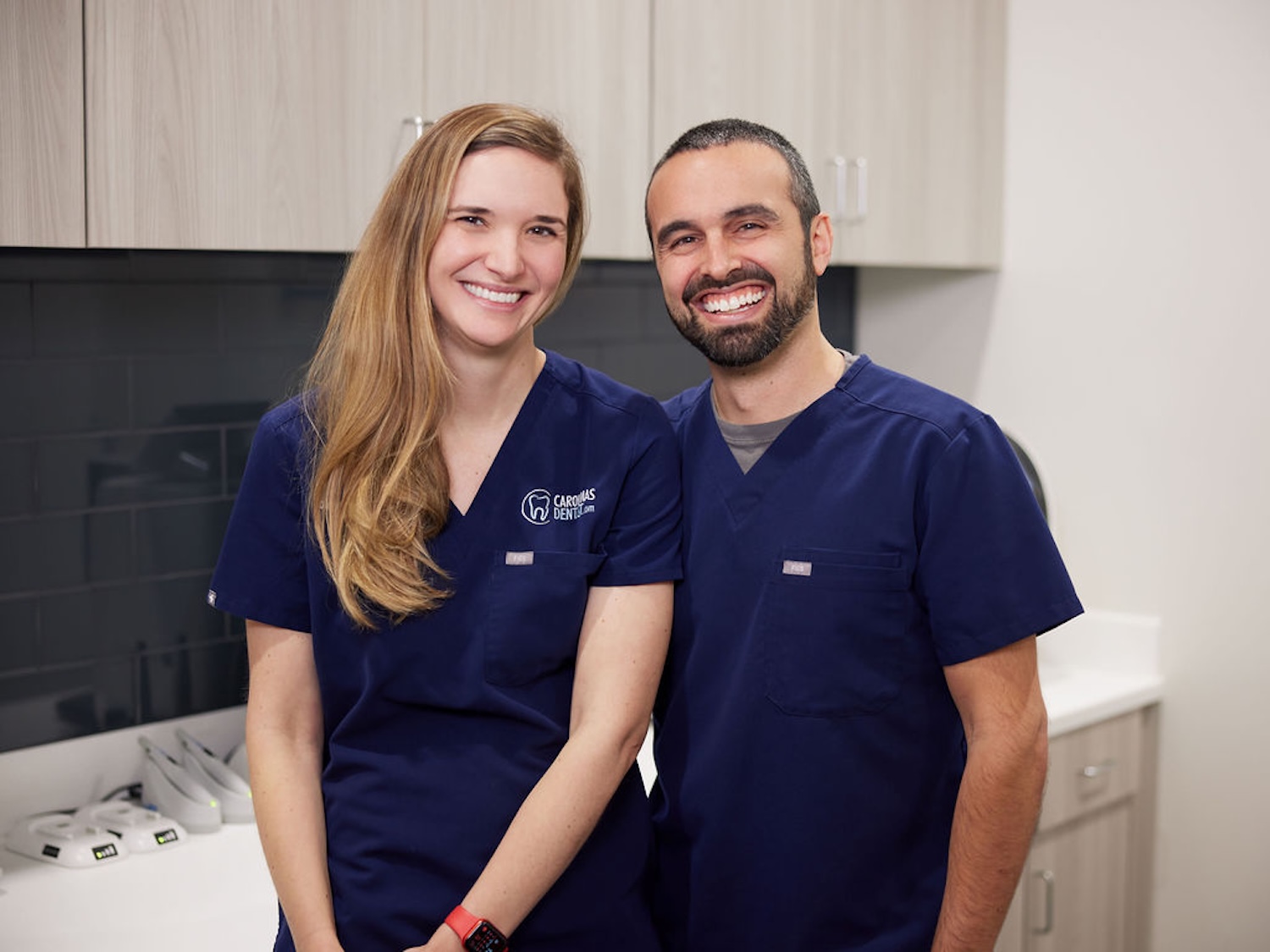
At CarolinasDentist, with 16 locations across North Carolina, the team cares for patients from many different communities and stages of life. During Dental Diversity Month, let’s look at how inclusive care affects the everyday parts of dentistry: trust, communication, treatment planning, prevention, and whether patients feel comfortable coming back before something hurts.
What Dental Diversity Month Means
Dental Diversity Month is a reminder that oral health care does not happen in a vacuum. Patients bring their life circumstances into the dental office whether they mention them out loud or not. A rushed schedule, a past bad experience, a language barrier, a medical condition, or a tight budget can all affect how someone approaches (or avoids) care.
That is why dental diversity needs to show up during a regular visit. It means recognizing those differences and responding with respect. It doesn’t need to make appointments complicated, but it’s important to not assume the same explanation, pace, treatment plan, or communication style works for everyone.
For example, one patient may want every step explained before treatment begins. Another may feel calmer with only the essentials. One patient may need help understanding insurance. Another may need extra time because of anxiety, mobility, sensory needs, or a medical condition.
When dental care accounts for those differences, visits lean more useful. Patients can ask better questions, understand their options, and make decisions with fewer gaps in the conversation.
Inclusive Dental Care Starts With Listening
Good dentistry requires clinical skill, but good patient care also requires listening. Before anyone talks about fillings, gum treatment, cleanings, implants, dentures, clear aligners, or cosmetic goals, the team needs to understand what brought the patient in and what may be getting in the way.
Sometimes the main concern is pain. Sometimes it is embarrassment. Sometimes it is cost, timing, transportation, fear, or the fact that the patient has not been to the dentist in years and does not know where to start. Those details may not show up on an X-ray, but they still shape the visit.
Listening also helps prevent lazy assumptions. A patient who missed appointments may be managing changing work shifts or childcare. A patient who seems hesitant may be trying to process information, not ignoring it. A patient who asks several questions may simply be trying to avoid surprises.
At CarolinasDentist, inclusive dental care means making room for those conversations. Not every issue can be solved in one visit, of course, but patients should be able to talk honestly without feeling like they are being judged from the second they sit down.
Why Representation Matters in Dentistry
Representation in dentistry matters because patients are more likely to trust care when they feel seen, understood, and respected. That can come from a diverse team, thoughtful communication, cultural awareness, or simply a willingness to ask instead of assume.
Not every patient needs a provider who shares the exact same background. Still, a dental team that understands different cultures, family structures, health beliefs, and life experiences is often better prepared to communicate clearly. That matters because dentistry can already feel personal. Someone is working inches from your face while you are reclined in a chair, wearing safety glasses, and trying to answer questions with a mouth full of instruments. It is not exactly casual.
Some patients grew up with regular preventive dental care. Others only saw a dentist when something hurt. Some were taught to ask questions. Others were taught not to question medical professionals. Some may feel comfortable discussing cost. Others may find that conversation awkward or stressful.
Once a team understands that patients arrive with different histories, the tone of the visit changes. Instead of treating hesitation as a problem, the team can look for what the patient needs to feel informed enough to move forward.
Making Dental Care Feel Less Intimidating
Dental anxiety does not always look obvious. Some patients say right away that they are nervous. Others sit quietly, grip the chair, or cancel the appointment before they ever make it to the parking lot. Anxiety can come from pain, embarrassment, sounds, smells, needles, gagging, past treatment, or not knowing what will happen next.
Inclusive dental care takes those concerns seriously without turning the visit into a big production. A calm explanation, a planned pause, a hand signal, or a slower pace can help a patient feel more in control.
This approach can be especially useful for patients returning after a long gap in dental care. Walking back into a dental office after years away can feel uncomfortable, even when the patient knows they need help. A lecture rarely improves that moment, but kindness usually does.
Instead of focusing on what should have happened years ago, inclusive care starts with the mouth in front of the dentist today. What is stable? What needs attention first? What can be handled in phases? That conversation is far more useful than a shame spiral with a dental bib.
Caring for Patients With Different Health Needs
Oral health is connected to the rest of the body, so inclusive dentistry also means paying close attention to medical history. Patients may come in with diabetes, heart conditions, autoimmune disorders, pregnancy, cancer treatment history, dry mouth, mobility concerns, sensory sensitivities, or medications that affect the mouth.
Those details can change how dental care is planned. Diabetes can affect gum health and healing. Certain medications can increase bleeding risk or reduce saliva flow. Dry mouth can raise the risk of cavities. Pregnancy can make gum tissue more reactive. Arthritis or limited dexterity can make brushing and flossing harder than it sounds on a brochure.
Because of that, a full health history is not paperwork for the sake of paperwork. It helps the dental team make safer, more thoughtful recommendations. It may also affect appointment timing, preventive care, treatment planning, or communication with a physician when needed.
Patients should not have to separate their mouth from the rest of their health. The mouth has never operated as its own little island, even if dental insurance sometimes acts like it does.
Supporting Patients With Dental Anxiety
Dental anxiety deserves its own mention because it is one of the main reasons people delay care. It can lead patients to wait until a small cavity becomes a toothache, a cracked tooth becomes a bigger fracture, or gum inflammation becomes harder to control.
Inclusive care does not treat anxiety as an inconvenience. Instead, it works around it in practical ways. The team may explain what will happen before starting, check in during treatment, offer breaks when possible, or discuss comfort options when appropriate.
Some patients want lots of detail because information helps them feel at ease. Others would rather know only what is necessary because too much detail makes them tense. Neither response is wrong. They are just different ways people cope.
The main point is that patients should feel able to say, “I’m nervous,” “I need a minute,” or “Can you explain that again?” without feeling like they are making the appointment difficult. Dental visits work better when people can be honest about what they need.
Inclusive Care Across Ages and Life Stages
A child, teen, adult, and senior do not need the same dental conversation. They may all need healthy teeth and gums, but the way care is explained and planned should change with age, routine, and responsibility.
Children may need a calm introduction to the dental office, help learning brushing habits, and positive structure without making the visit feel like a test. Teens may need conversations about orthodontics, sports mouthguards, wisdom teeth, energy drinks, vaping, grinding, and the general chaos of keeping up with routines while life gets busy.
Adults often juggle work, family, finances, old fillings, gum health, cosmetic goals, dental anxiety, and tooth replacement decisions. Seniors may need support with dry mouth, dentures, implants, medication-related changes, gum disease, and maintaining older dental work.
The advice has to fit the person, or it tends to go in one ear and out the other. That is why inclusive care looks at the patient’s actual stage of life instead of using the same script for everyone.
Clear Communication Helps Patients Make Better Decisions
Dental treatment can feel confusing when it is explained too quickly or buried under technical language. Patients deserve to understand what was found, why treatment is being recommended, what options exist, and what may happen if care is delayed.
Clear communication does not mean watering things down. It means translating dental findings into plain language. Instead of saying a tooth has “recurrent caries around an existing restoration,” it is more useful to explain that decay has formed around an old filling and the tooth needs repair before more structure is lost.
Good communication also includes timing and priority. Patients need to know what is urgent, what can be watched, what can be phased, and what is mainly cosmetic. Without that context, every treatment recommendation can feel like it carries the same weight.
At CarolinasDentist, inclusive dental care includes helping patients understand the plan before they commit to it. A patient should not leave the office wondering what just happened or why a procedure was recommended.
Respecting Financial Concerns Without Awkwardness
Cost affects dental decisions. That is not a side note. It is often one of the biggest factors in whether patients schedule treatment, delay it, or avoid the conversation altogether.
Inclusive dental care makes room for that reality. Patients should be able to ask what treatment is most urgent, what insurance may cover, what can be phased, and what payment options may be available. Talking about cost should not feel like stepping on a landmine.
Sometimes treatment can be prioritized. Pain, infection, active decay, cracked teeth, and gum disease may need attention first. Other needs may be planned later. That does not mean the patient does not value their health. It means they are making decisions in the real world, where budgets exist and surprises are rarely welcome.
With 16 locations across North Carolina, CarolinasDentist serves patients with different insurance plans, financial situations, and treatment needs. Respecting those differences is part of helping people get care they can actually follow through with.
Reducing Shame Around Dental Visits
Many people avoid the dentist because they feel embarrassed. They may worry about cavities, missing teeth, broken teeth, bad breath, staining, gum disease, or how long it has been since their last cleaning.
Shame is not a useful dental tool. It does not fill cavities, stop bleeding gums, repair broken teeth, or help someone schedule a follow-up visit. Most of the time, it just keeps people away until the problem is harder to ignore.
Inclusive care takes a more useful approach. It starts with where the patient is now. What hurts? What is stable? What needs treatment soon? What can wait? What habits or tools would make home care easier?
Nobody can go back and floss last year. That ship has sailed, waved goodbye, and probably left the marina paperwork behind. What matters is figuring out the next step without making the patient feel worse for needing help.
Why Access Across North Carolina Matters
Having 16 locations across North Carolina gives CarolinasDentist a practical advantage for patients and families. Location matters because dental care has to fit into real schedules. If an office is too far away or too hard to reach, even routine care can fall off the calendar.
A nearby office can make it easier to schedule before work, after school, during a lunch break, or when a dental issue needs attention sooner. For families, convenience can make the difference between keeping regular cleanings and constantly rescheduling them.
Access also helps patients build a dental home. When care is consistent, the team can track changes over time, monitor old dental work, watch gum health, and notice problems earlier. That is harder to do when patients only seek care when something breaks or starts to hurt. Multiple locations help dental care fit more naturally into those routines.
Inclusive Dental Care Improves Prevention
Prevention works best when it fits the patient’s actual life. Telling someone to brush and floss is easy. Helping them find a routine that works is more useful.
Some patients need floss picks because string floss is too awkward. Others may need interdental brushes, a water flosser, prescription fluoride, dry mouth support, a nightguard, or more frequent cleanings. A patient with braces, implants, bridges, arthritis, tight spaces, or a strong gag reflex may need a different approach than someone with none of those concerns.
That is where better questions help. What part of home care is hardest? Are your gums bleeding in one area or everywhere? Do your hands hurt? Do you snack during long shifts? Do you wake up with a dry mouth? Do you clench your teeth at night?
The answers help the dental team give advice that has a chance of sticking. Otherwise, prevention turns into a generic speech that patients have heard a dozen times and already know they are not following perfectly.
Building Trust One Visit at a Time
Trust in a dental office is built through ordinary moments. It comes from being greeted respectfully, having symptoms taken seriously, hearing treatment explained clearly, and understanding costs before surprises pile up.
It also comes from consistency. If a team says they will explain each step, they should. If a patient asks a question, it should be answered without making them feel like they are slowing things down. If discomfort comes up, it should be addressed.
It shows up in how the phone is answered, how treatment is explained, how anxiety is handled, and how follow-up care is planned. In response, a patient who once came in only when something hurt may become more comfortable with preventive care. A child who feels safe during early visits may grow into a teen who sees dental care as normal. Trust is not built with a poster in the waiting room. It is built in the way people are treated.
Celebrating Dental Diversity Month in North Carolina
Dental Diversity Month is a good time to talk about what patients already know from experience: dental care feels different when a team listens, explains clearly, avoids assumptions, and treats people with compassion.
At CarolinasDentist, with 16 locations across North Carolina, inclusive dental care means recognizing that patients come in with different needs, backgrounds, comfort levels, and barriers to care. Some need preventive visits. Some need help after years away. Some need anxiety support, financial clarity, medical awareness, or more time to understand their options.
If you are looking for a dental office in North Carolina that keeps the focus on clear communication and practical care, schedule a visit with CarolinasDentist. A dental visit should help you understand your health, your options, and the next step that makes sense for you.
Related Posts