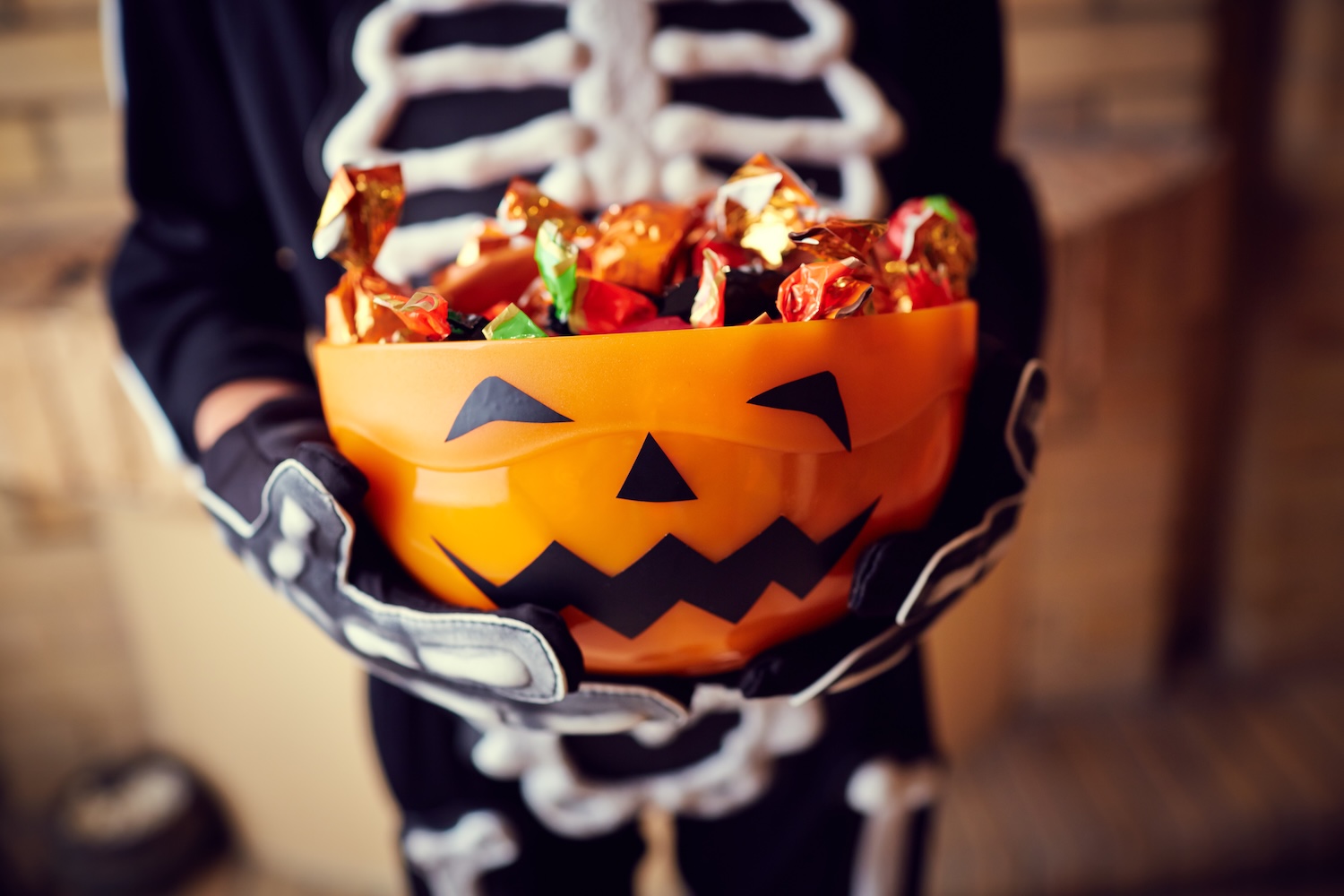
In this post, learn what can happen when you eat candy every day for a month, from repeated acid exposure to sensitivity, sticky residue, and sour-candy enamel wear.
Thanksgiving Foods That Are Surprisingly Good for Your Teeth

From Halloween candy through New Year’s celebrations, the end of the year can feel like one long stretch of sweets for your teeth. By Thanksgiving, you may be wondering whether anything on the holiday table gets a pass. Fortunately, alongside the pie and sweet side dishes, there are plenty of familiar foods that provide nutrients for healthy teeth and gums.
At CarolinasDentist, we want our patients across North Carolina to enjoy the meal and know which habits can make it easier on their teeth. Turkey, cheese, and vegetables can all be part of a balanced plate, while keeping sweets with the meal can reduce hours of nibbling afterward. Here is a closer look at some foods you may already be serving, along with a few ways to look after your teeth once dinner is over.
Turkey
If turkey is the main dish at your table, it is already a source of protein, which your body uses to maintain and repair tissues. Plain roasted turkey also tends to contain little added sugar. You can enjoy it alongside the sweeter dishes without adding another sugar-heavy food to the plate.
However, those small fibers can get caught between teeth, sometimes in the same spot every time you eat. Floss or another cleaning aid you normally use can remove what is left after dinner. If one area keeps trapping food, mention it at your next visit so we can check whether a gap beside a filling or another tooth problem is contributing.
Cheese and Other Dairy Foods
Cheese supplies calcium and phosphorus, which support healthy teeth and bones. If there is a cheese plate out before dinner, a few pieces can make a snack with little added sugar. For someone who likes dairy, it is one of several ways to get those nutrients during an ordinary meal.
Macaroni and cheese contains dairy as well, although the pasta can leave starch behind around your teeth. After enjoying it with dinner, clean between your teeth and brush later as usual. If you use dairy alternatives, check the label for calcium and added sugar, since the amounts vary from one product to another.
Vegetable Side Dishes
Green beans, leafy greens, carrots, and other vegetables contribute fiber and nutrients to a balanced diet. Roasted or lightly cooked vegetables can be easier to chew than raw ones if your teeth are sensitive or you have dental work to protect. Choose the texture that feels comfortable and follow any food restrictions we have given you after treatment.
The way vegetables are prepared changes how much added sugar you eat with them. A sweet glaze brings more sugar than herbs or a little oil, even when the vegetable underneath is the same. If you prefer the glazed version, enjoy it with dinner rather than taking another bite each time you walk through the kitchen afterward.
Sweet Potatoes
Sweet potatoes have some sweetness of their own, along with fiber and beta-carotene, which your body can turn into vitamin A. Roasting or mashing them can bring out that flavor without much added sugar. If that is how your family likes them, they can be a nutritious side dish as they are.
Of course, someone at your table may be counting on the marshmallows. Those toppings add sugar, but you can still have a serving with the meal and drink water afterward. Later that evening, make time to brush and clean between your teeth, even if the dishes and visiting run longer than planned.
Nuts and Crunchy Toppings
Nuts provide protein and other nutrients, and unsweetened nuts contain less added sugar than candied versions. However, a hard piece can be difficult for a tooth with a crack, large filling, or temporary restoration. If we have recommended softer foods, keep following that advice through the holiday meal.
You may find a softer dish easier than a crunchy topping while a tooth is waiting for treatment. Chopped nuts may fit some patients’ needs, although they can still be too hard for certain teeth or restorations. If you’re unsure, ask us before the holiday, and always use a nutcracker rather than your teeth to open shells.
Water With Dinner
A glass of water fits beside the whole meal, from appetizers through dessert. It adds no sugar or dietary acid and helps wash away loose food. If your tap water contains fluoride, drinking it regularly can also help protect against cavities.
If you choose sweet tea, cider, or another holiday drink, keep water nearby as well. Switching back to water when the meal ends reduces the time spent sipping something sweet. It can also help clear some residue before you brush later, although you’ll still need to clean between teeth where food has collected.
Keep Sweets With the Meal
During dinner, chewing increases saliva, which helps clear food and dilute acids. Once the meal is over, repeatedly taking a bite of pie or sipping a sweet drink starts another round of sugar exposure. Having dessert with dinner or soon afterward can shorten that pattern without changing the family recipe.
Then, when the evening winds down, keep your usual brushing and flossing routine. If you wear aligners, a retainer, or dentures, follow the cleaning and wear instructions for those as well. It is easy to head straight to bed after a long holiday, so getting the routine done before you settle in for the night can help.
Holiday Dental Care at CarolinasDentist
You can enjoy Thanksgiving favorites while making choices that reduce the time sugar stays around your teeth. If a tooth is already sore, a crown feels loose, or food keeps collecting in one spot, arrange a visit before it interferes with dinner. Schedule with your CarolinasDentist team in North Carolina, and we would be happy to help you head into the holidays eating more comfortably!
Related Posts