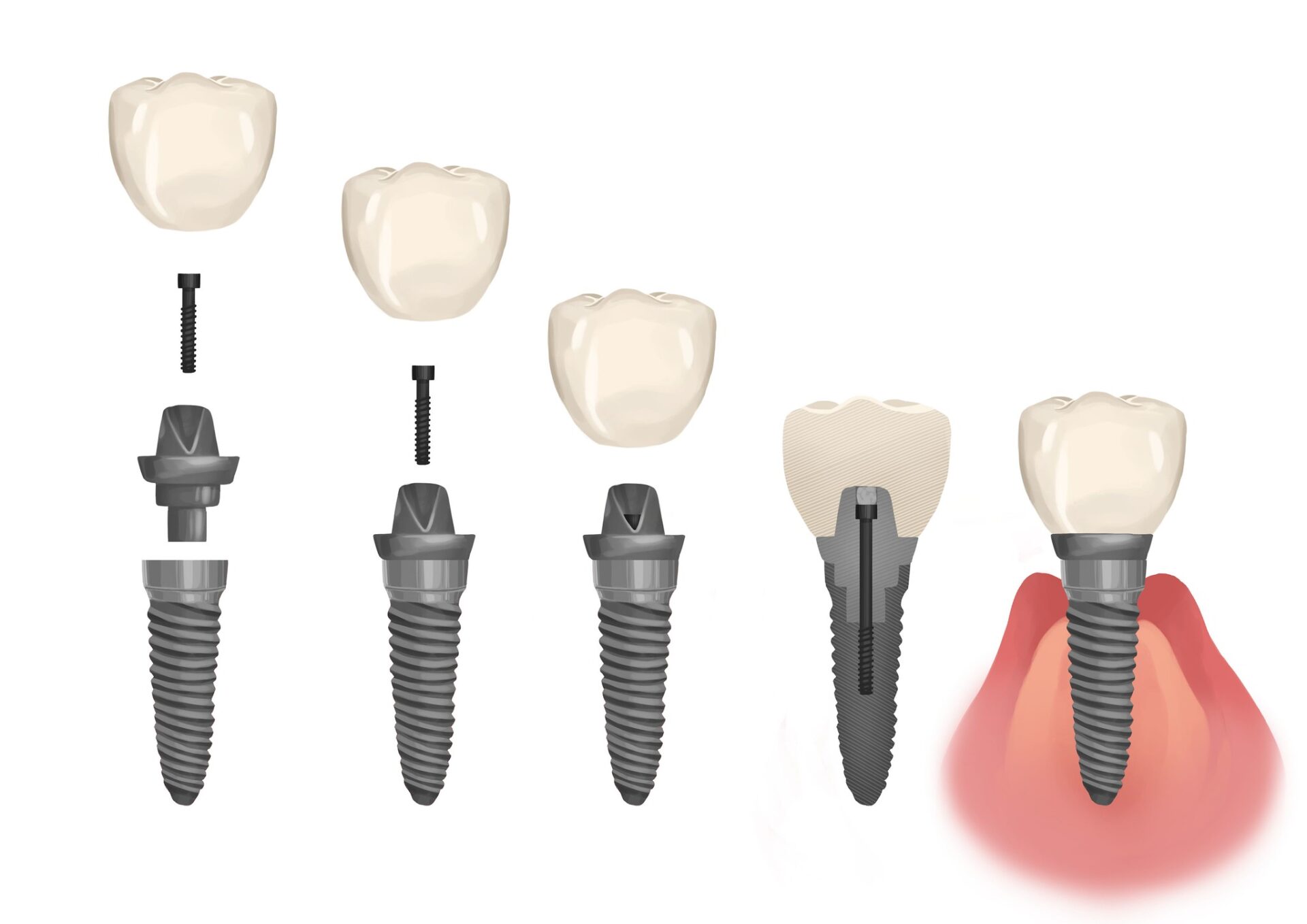
In this post, learn what goes into dental implant pricing and which factors can change the final cost.
How to Start Planning Your Dental Treatment Before the End-of-Year Insurance Rush

The last few months of the year tend to get busy fast. Between school schedules, travel, holidays, and work deadlines, dental treatment can easily slide to the bottom of the list. Then November arrives, and suddenly a lot of people are trying to use remaining insurance benefits before the calendar resets.
At CarolinasDentist, our teams care for patients across 16 locations in North Carolina, and we see this rush every year. Some patients are trying to finish a crown before December ends, while others realize they still have treatment from an earlier visit that never got scheduled. Because appointment times get tighter later in the year, starting earlier gives you more room to work around your benefits, your schedule, and the amount of treatment you may need.
That does not mean you should rush into dental work just because the year is ending. Instead, this is a good time to review what has already been recommended, schedule any overdue exams, and find out how your insurance may apply. From there, you can make decisions without feeling like everything has to happen at once.
Start With an Exam
If it has been a while since your last dental visit, start with an exam. Before planning treatment around insurance benefits, we need to know what your teeth and gums need now. A current exam gives us a clearer picture than working from a treatment plan that may be several months old.
A cavity that was small six months ago may still be small, or it may have grown. An older filling may still be holding up, while another tooth may have developed a crack or new decay. Meanwhile, gum health can change too, especially if cleanings or periodontal maintenance have been delayed.
During the exam, we can look at your teeth, gums, existing dental work, and bite. X-rays may also be recommended depending on your history and how long it has been since your last set. Then, we can see what needs attention now and what can continue to be monitored.
Review Treatment You Already Know About
Sometimes the treatment plan is already sitting in your chart. Maybe a filling was recommended in the spring, a crown was discussed after a cracked tooth was found, or you were told a bridge or implant would need another appointment. If the treatment never got scheduled, fall is a good time to bring it back up.
Before booking anything, we may want to recheck the tooth. Dental conditions can change, and a treatment plan from several months ago may need an update. If the tooth still needs the same procedure, we can pick up from there and talk about timing.
This is also a good time to ask questions you may not have thought of during the first visit. You may want to know how many appointments are involved, whether a temporary restoration is needed, how much healing time to expect, or whether treatment can be divided across more than one visit. Those answers can help you decide where the treatment fits into the rest of your year.
Check Your Remaining Insurance Benefits
Many dental insurance plans reset at the end of the calendar year. If your plan has an annual maximum, any unused portion usually does not carry over into the next year. Because of that, it can make sense to look at what benefits remain before December gets too close.
You can check your insurance portal, review your benefits online, or contact the insurance company to see how much of your annual maximum has already been used. You can also look for information about your deductible, frequency limits, waiting periods, and the procedures you are planning. Those details can change what your out-of-pocket cost looks like.
At CarolinasDentist, our team can help you understand the treatment estimate and the information we have from your plan. However, the insurance company makes the final decision about what it pays. Since policies vary so much, checking your remaining benefits early can help you plan with fewer surprises.
Annual Maximums Can Affect Timing
An annual maximum is the most your dental insurance plan will pay toward covered treatment during the benefit year. If you have already used a large portion of it, there may be less available for additional work before the year ends. That can make a difference when several procedures are planned close together.
For example, you may need several fillings, a crown, or a combination of restorative work. Depending on your benefits and how soon the treatment needs to be completed, some care may be done this year while another part is scheduled after the plan resets. In those cases, spreading treatment across two benefit years may help with budgeting.
However, we do not want insurance timing to create a dental problem. A tooth with deep decay, pain, infection, or a significant fracture may need attention sooner rather than later. We can explain what can wait comfortably and what would be better to address before the year ends.
Deductibles May Already Be Met
If you have already had dental treatment this year, you may have met your deductible. That can affect what you pay for additional covered procedures before the benefit year ends. For some patients, that makes fall a good time to finish treatment that has already been recommended.
If the deductible resets in January, you may have to meet it again before the insurance company begins contributing toward certain services. Because of that, a procedure completed in November may be handled differently than the same procedure completed after the new year. The exact difference depends on your plan.
Still, deductibles vary, and preventive care may be handled differently from restorative treatment. Check your policy online or review your benefits if you are unsure where you stand. Once you know that number, it is easier to compare the timing and cost.
Some Treatment Takes More Than One Visit
A major reason to avoid waiting until late December is that some dental treatment cannot be finished in one appointment. A crown may require preparation, fabrication, and placement, depending on the office and the type of restoration. Implant treatment can involve several stages over a much longer period.
Even simpler treatment can become harder to schedule when several family members are trying to fit appointments into the same few weeks. Add holiday travel, school events, and limited work schedules, and the calendar fills quickly. Because of that, starting earlier gives you more choices.
If you know you need treatment, scheduling sooner gives you more room to choose appointment times that work. It also gives us time to make adjustments if another visit is needed. By December, those same openings may be harder to find.
Insurance Review Can Take Time
Some insurance plans ask for additional documentation before they decide how much they will pay toward a procedure. That may include X-rays, clinical notes, photographs, or a pre-treatment estimate. In some cases, the insurance company may ask for more information before giving an estimate of benefits.
A pre-treatment estimate can give you a better idea of how the plan may handle a crown, bridge, denture, or another larger procedure. However, it can take time for the insurance company to process the request. If you wait until the final weeks of the year, that delay can make scheduling more difficult.
The insurance decision and the dental recommendation are also two separate things. Our dentists recommend treatment based on what is happening with your teeth and gums, while the insurance company applies the terms of your policy. If more information is requested, our team can send the documentation they need, and starting earlier gives everyone more time to sort it out.
Ask Whether Treatment Can Wait
Insurance benefits can help with cost, but timing still has to make sense for the tooth. A small cavity may sometimes be scheduled with some flexibility, while a painful or infected tooth may need treatment much sooner. If you are hoping to push something into January, ask us whether that is a good idea before making the decision.
We can look at the tooth and explain what we are concerned about, what could happen if treatment is delayed, and whether there is room in the timeline. Sometimes waiting a few weeks is fine. Other times, a crack may spread or decay may move deeper while you are trying to hold out for a new benefit year.
If the treatment can safely wait, we can help you plan around that. If it should be handled sooner, we can explain why and help you think through the timing. That gives you a clearer basis for the decision than insurance dates alone.
Prioritize Treatment by Urgency
If you have several things on your treatment plan, you may not need to do everything at once. We can help you organize the care based on what needs attention first. That can make a longer treatment plan feel a lot less intimidating.
Pain, infection, deep decay, and teeth at risk of fracture usually move higher on the list. Meanwhile, a smaller cavity or a restoration that is stable but aging may have more scheduling flexibility. Cosmetic treatment may be something you choose to plan after health-related concerns are handled.
That kind of sequencing can also help with budgeting. Instead of looking at the total cost of several procedures all at once, you can see which ones need to happen now and which ones can be planned over the next few months. From there, insurance benefits and personal finances can be worked into the schedule.
Ask About Using Benefits Across Two Years
In some cases, treatment can be divided across two benefit years. For example, one phase may be completed before December ends, while another is scheduled after January when the annual maximum resets. That can help when the treatment naturally involves separate stages.
This works best when there is no clinical reason to rush. We do not want to divide care in a way that leaves a tooth vulnerable just to stretch insurance benefits. However, when treatment can safely be staged, using two benefit periods may give you more flexibility.
If you have a larger treatment plan, ask whether any part of it can be scheduled across two years. We can explain what can wait, what should not, and how the appointments may fit together. Then, you can decide whether that timing works with your insurance and your budget.
Plan Around Holiday Travel
December schedules can get complicated quickly. If you are traveling, hosting family, or taking time off work, you may have fewer open days than you think. Treatment that needs a follow-up visit can be harder to fit around those plans.
You may not want a difficult extraction right before a flight or a long drive, and you may prefer to finish a crown before leaving town rather than traveling with a temporary restoration. Likewise, if you have school events or family plans, you may want to avoid squeezing treatment into the middle of an already packed week. Planning earlier gives you more room to choose dates that make sense.
When you schedule sooner, we can work around those plans more comfortably. You also have more room to reschedule if work, school, or family plans change. By the last few weeks of the year, there may be fewer appointment times to move into.
Keep Preventive Care on the Calendar
The end-of-year rush is not only about crowns and fillings. If you are overdue for a cleaning, periodontal maintenance, or dental exam, getting that appointment scheduled can help you see where things stand before the year wraps up. Preventive care can also uncover treatment needs you did not know were there.
A small cavity found during an exam may need a filling, while that same area could require more treatment if it continues to grow. Gum inflammation can also be easier to manage before deeper periodontal problems develop. So even if nothing hurts, an overdue preventive visit is worth getting back on the calendar.
If you have not used your preventive benefits this year, check whether your plan covers another cleaning or exam before the year ends. Frequency limits vary, so review what your plan allows rather than assuming every policy works the same way. Then, if something is found during the visit, you still have time to decide what comes next.
HSA and FSA Funds Can Help
If you have a health savings account or flexible spending account, those funds may also affect how you plan dental treatment. Many dental expenses can qualify, although the rules depend on the type of account and your specific plan. Because of that, it is worth checking what funds you still have available.
Flexible spending accounts can be especially important near the end of the year because some have use-it-or-lose-it rules. However, rollover policies vary, so check your plan online or review the information from your plan administrator. Once you know what is available, you can include those funds in your dental budget.
If you already know you need treatment, reviewing HSA or FSA funds alongside your insurance benefits can give you a clearer picture of what you can comfortably schedule. That can be especially helpful for crowns, bridges, or several procedures planned close together. From there, you can decide how much care fits before the year ends.
Schedule Before the Calendar Fills
By late November and December, appointment times can become limited. Many patients have the same idea at once: use remaining benefits, finish treatment, and get everything handled before the holidays. As a result, the most convenient appointment times often go first.
Scheduling in September, October, or early November usually gives you more flexibility. You may have more choices for morning or afternoon appointments, and larger treatment plans are easier to fit in without squeezing everything into the final weeks of the year. Follow-up visits are easier to arrange too.
Starting earlier also gives you more time to think. If a dentist recommends a crown, bridge, or another procedure, you can ask questions, review your estimate, and decide how you want to move forward. You are less likely to feel like the calendar is making the decision for you.
Plan for the Whole Family
When several people in the household are due for dental care, the end-of-year calendar can get crowded even faster. One child may need a cleaning, another may have a filling to finish, and a parent may have been putting off a crown. Suddenly, a few appointments can turn into several.
Start by checking who is overdue and who already has treatment recommended. Then, look at school schedules, travel, and remaining insurance benefits. Getting those appointments on the calendar early can keep December from turning into a scramble.
With 16 CarolinasDentist locations across North Carolina, families also have several options for keeping care within the same practice. If another location becomes more convenient because of work, school, or a move, that may make scheduling easier too. Even so, the earlier you start, the more appointment choices you are likely to have.
Check Your Insurance Details
Before scheduling larger treatment, it can help to review a few specific details through your insurance portal, benefits documents, or insurance company. Check how much of your annual maximum remains, whether your deductible has been met, and how the procedure you need is covered. Those three answers can clear up a lot of uncertainty.
You can also look for information about pre-treatment estimates, frequency limits, and waiting periods. If you are planning care across two years, check when your benefits reset. Saving those details somewhere easy to find can make the next conversation with our team much smoother.
When you talk with us, having that information gives you a clearer picture of how your plan may apply. We can combine it with your treatment estimate and scheduling needs. From there, you can make a plan without having to guess.
Planning Treatment at CarolinasDentist Across North Carolina
If you already have dental treatment on your list, fall is a good time to bring it back to the top. At CarolinasDentist, our teams across 16 North Carolina locations can review your treatment plan, check whether anything has changed, and help you understand which procedures should be handled sooner and which ones may have more flexibility. We can also help you work through the timing so the plan fits your schedule as well as possible.
Starting before the end-of-year rush gives you more room to work around insurance benefits, holiday plans, and your budget without forcing everything into December. If you are due for an exam or have treatment you have been meaning to schedule, contact CarolinasDentist and get a plan in place while there is still time to work through the details. We would be happy to help you head into the new year with your dental care feeling a little more organized!
Related Posts