In this post, learn what you can eat with Invisalign and how to keep aligners clean during meals, drinks, snacks, and busy days.
Signs Your Child May Need Orthodontic Treatment

Children’s teeth can change quickly once permanent teeth begin coming in. One month, there is a loose baby tooth. A little later, a front tooth may be coming in behind another one, or a tooth that looked fine last year suddenly seems to be taking a strange route into the smile.
Parents often notice these changes during bedtime brushing, in a school photo, or while their child is talking across the dinner table. Sometimes it is obvious, like a tooth sitting high near the gums. Other times, the concern is less clear. The bite may look uneven, the front teeth may seem crowded, or there may not appear to be much room for the teeth still waiting to come in.
Kids go through a lot of normal-looking chaos while baby teeth fall out and permanent teeth come in. Still, crowding, bite changes, early or late tooth loss, and certain habits can offer clues about how the smile is developing.
An orthodontic evaluation looks at more than the one tooth that is catching your eye. The provider checks the spacing, bite, jaw growth, and direction of teeth that have not fully erupted yet. That fuller view helps determine whether something needs attention now, should be watched as more teeth arrive, or is simply part of the normal shuffle from baby teeth to adult teeth.
Crowding That Keeps Getting Tighter
Crowding is one of the first things parents tend to notice. A permanent tooth may come in turned, overlap another tooth, or look like it is squeezing into a space that is already full. This often happens around the front teeth because adult teeth are much larger than the baby teeth they replace.
Sometimes a tooth takes an awkward path while it is erupting, then settles into a better position as more space opens up. However, when several teeth are overlapping, coming in behind one another, or pushing toward the tongue or cheek, there may not be enough room for all of the permanent teeth to line up comfortably.
Dentists also pay attention to the natural spacing between baby teeth. Those small gaps can give larger permanent teeth some of the room they need as they begin coming in. When baby teeth sit tightly together with little or no spacing, and the front teeth already look crowded, the dental team may keep a closer watch on jaw growth and tooth eruption to see whether more room develops or whether the crowding is likely to build.
You may also notice a new tooth trying to come in behind a baby tooth that is still hanging on. Another child may have one front tooth sitting high near the gums while the teeth around it are already in place. Bringing up those changes during a dental visit gives the team a better sense of whether the tooth is simply taking its time or running out of room.
Baby Teeth That Fall Out Too Early or Stay Too Long
Baby teeth do not follow the same calendar for every child. One child may lose a tooth early, while a sibling may keep the same baby tooth long enough for everyone in the family to start commenting on it. Still, timing can affect the space available for permanent teeth.
When a baby tooth is lost early because of decay, injury, or infection, nearby teeth can drift toward the opening. Then, when the adult tooth is ready to come in, the space may be smaller than it should be. In some situations, a space maintainer may be discussed to help hold that room open.
A baby tooth that stays in place long after the adult tooth starts coming through can create what parents often describe as a “shark tooth.” Usually, that means the permanent tooth is appearing behind the baby tooth instead of directly underneath it. Sometimes the baby tooth is already loose and will come out soon. Other times, the dentist may need to check whether it is slowing down the permanent tooth or affecting the space around it.
It can also be worth mentioning when one side of the mouth seems to be moving ahead of the other. For example, one upper front tooth may have come in months ago while its matching tooth is still nowhere in sight. That does not automatically point to a problem, but it gives the dental team something specific to evaluate.
A Bite That Does Not Come Together Evenly
A child’s bite involves more than whether the front teeth look straight. The way the upper and lower teeth meet can affect chewing, tooth wear, speech, and how comfortably the jaw moves.
You may notice that the upper front teeth sit far ahead of the lower teeth. In other children, the lower teeth may sit in front of the upper teeth. Some kids bite down and still have an opening between the top and bottom front teeth, while others have back teeth that do not seem to line up the way you would expect.
A crossbite is another bite pattern parents may notice when looking from the front or watching a child close their teeth. In a crossbite, one or more upper teeth sit inside the lower teeth instead of outside them. Sometimes it involves just one side, and the child may shift their jaw a little when biting down to find a more comfortable place for the teeth to meet.
Bring up that kind of pattern during a dental visit, especially if the child seems to shift their jaw every time they bite. The orthodontic provider can look at tooth position, jaw movement, spacing, and the bite as a whole before deciding whether treatment should begin or whether the child should be followed as more permanent teeth come in.
Chewing on One Side or Avoiding Certain Foods
Children can be selective about food for all kinds of reasons, so skipping crunchy vegetables or chewy meat does not automatically point to an orthodontic concern. Still, it is worth noticing if your child consistently chews on one side, takes unusually small bites, or says their teeth do not feel right when they close their mouth.
Sometimes this comes down to a sore tooth, a loose baby tooth, or sensitivity. Other times, it is connected to the way the bite fits together. When teeth do not meet evenly, a child may start using the side that feels easier without realizing they are doing it.
You might notice that sandwiches, apples, corn on the cob, or firmer foods suddenly take longer to eat. They may move food to one side of the mouth, chew more slowly, or tell you that one tooth “hits first” before the others.
Those everyday observations can be more helpful than parents realize. They give the dental team a place to start when looking for a sore tooth, a bite issue, or a pattern that is developing as the jaws and teeth continue changing.
Thumb Sucking and Pacifier Habits That Continue
Thumb sucking and pacifier use are common when children are young. For many families, those habits fade as a child gets older. When they continue for several years, though, they can begin affecting the position of the front teeth and the way the bite closes.
You may notice upper front teeth leaning forward, lower teeth sitting farther back, or a gap between the top and bottom front teeth when your child bites down. The effect can depend on how often the habit happens, how long it has continued, and how much pressure is being placed on the teeth.
A child who uses a pacifier only at bedtime may have a different pattern from a child who sucks their thumb in the car, while watching television, after school, and while sleeping. Those details can help the dentist understand how much the habit may be influencing the bite.
It is worth bringing the habit up during a regular visit, especially once permanent front teeth begin arriving. The dental team can look at whether the bite is changing and talk through realistic next steps that fit the child’s age and routine.
Mouth Breathing, Snoring, or Sleeping With Lips Apart
Mouth breathing can happen during a cold, allergy season, or a stretch of congestion. However, regular mouth breathing, loud snoring, restless sleep, or a child who usually rests with their lips apart is worth mentioning to both the dentist and pediatrician.
These patterns can be connected to allergies, nasal congestion, enlarged tonsils, or other breathing concerns. They can also affect the way the tongue and jaws rest over time, which may influence tooth development in some children.
Parents do not need to sort out the cause at home. It helps to notice the pattern and mention it. The dental team can look at how the bite is developing, while your child’s medical provider can evaluate the breathing and sleep side of the picture.
This is not always an orthodontic concern on its own. However, it can be one part of a larger conversation about sleep, breathing, jaw growth, and how your child uses their mouth during the day and at night.
Front Teeth That Stick Out or Get Chipped Often
Some children have upper front teeth that sit noticeably ahead of the lower teeth. Besides changing the appearance of the smile, that position can leave the front teeth more exposed during a fall, bike ride, playground mishap, or sports injury.
If your child has chipped the same front tooth more than once, it is worth asking whether tooth position is part of the reason. A larger overjet can make front teeth easier to bump, especially during the years when kids are climbing, biking, running around outside, and testing their limits a little more each year.
Teeth that look flattened, worn, or chipped can also point to grinding or a bite that is placing pressure unevenly. The cause is not always obvious in the mirror, particularly while a child is still losing baby teeth and growing into permanent ones.
An orthodontic evaluation can help sort out whether the wear is temporary, related to grinding, or connected to the way the teeth meet. That gives families a clearer sense of what to watch and whether treatment could help protect the teeth from more damage.
When an Orthodontic Evaluation Can Be Helpful
Many children have an orthodontic evaluation around age seven. By then, enough permanent teeth have usually come in to give the provider a useful look at spacing, jaw growth, bite development, and the path of teeth that are still on the way.
That does not mean every child starts braces at seven. Often, the visit gives the family a starting point. The provider checks what is happening now and explains whether the next step is monitoring, a future follow-up, or treatment for something already affecting the bite or eruption pattern.
Early treatment may be considered for concerns such as a crossbite, a developing jaw imbalance, significant crowding, a tooth that appears blocked from coming in, or a habit that is changing the bite. Other children benefit from waiting until more permanent teeth arrive.
The appointment can be more helpful than comparing your child’s smile to a cousin’s, a classmate’s, or an old photo of your own teeth. Children do not all lose teeth or grow at the same pace, and what is happening below the gums may tell a different story than the front teeth alone. Also, our team can explain any dental insurance orthodontic benefits or financing options, so you can start planning costs.
Braces and Clear Aligners for Children and Teens
When orthodontic treatment is recommended, the right approach depends on the child’s age, the type of movement needed, the bite, and how treatment will fit into everyday life.
Traditional braces remain a strong choice for many children and teens. Since braces stay in place, they can be helpful for patients who need detailed tooth movement or who are not ready to keep track of removable aligners during school, sports, sleepovers, and all the other things that fill a kid’s week.
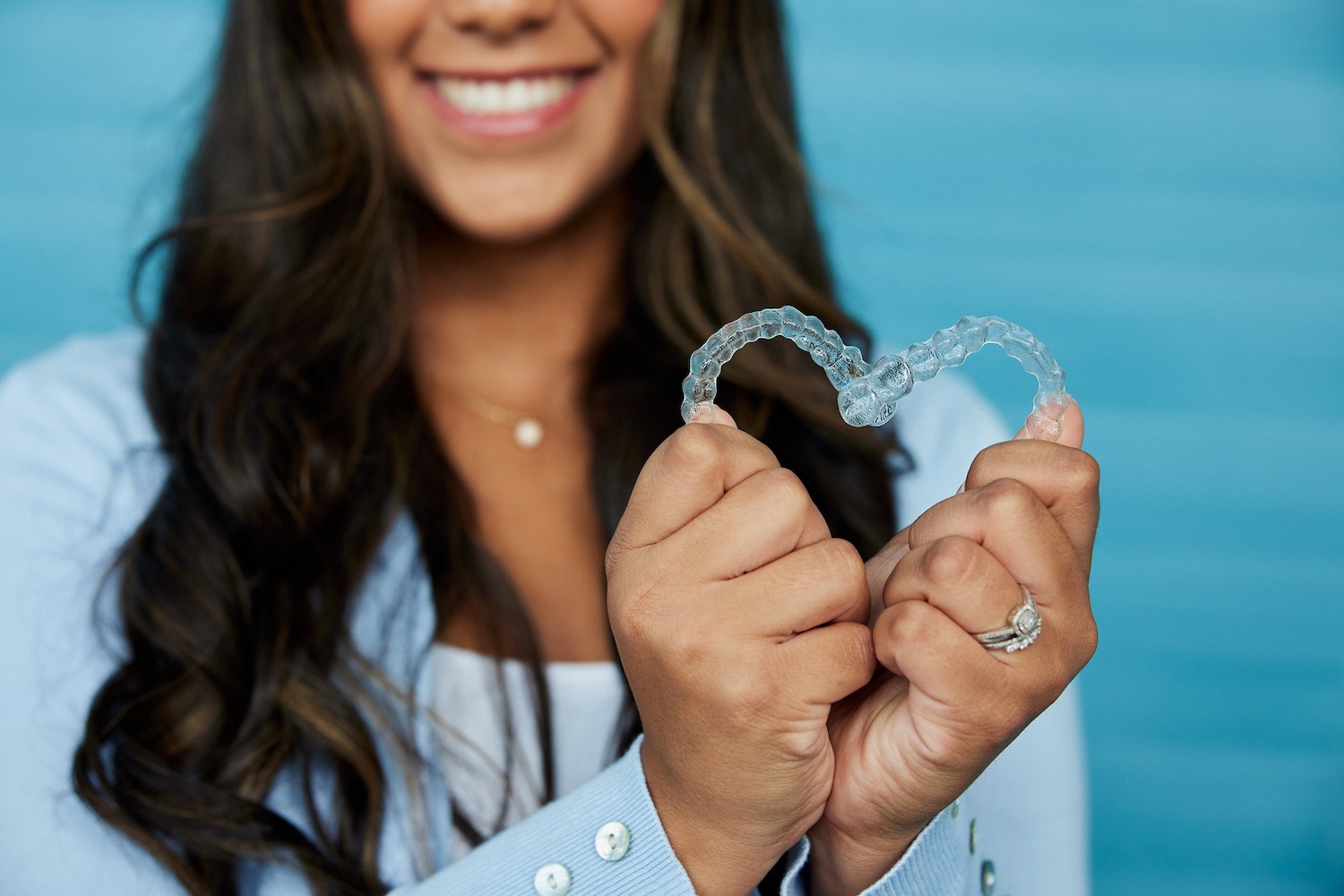
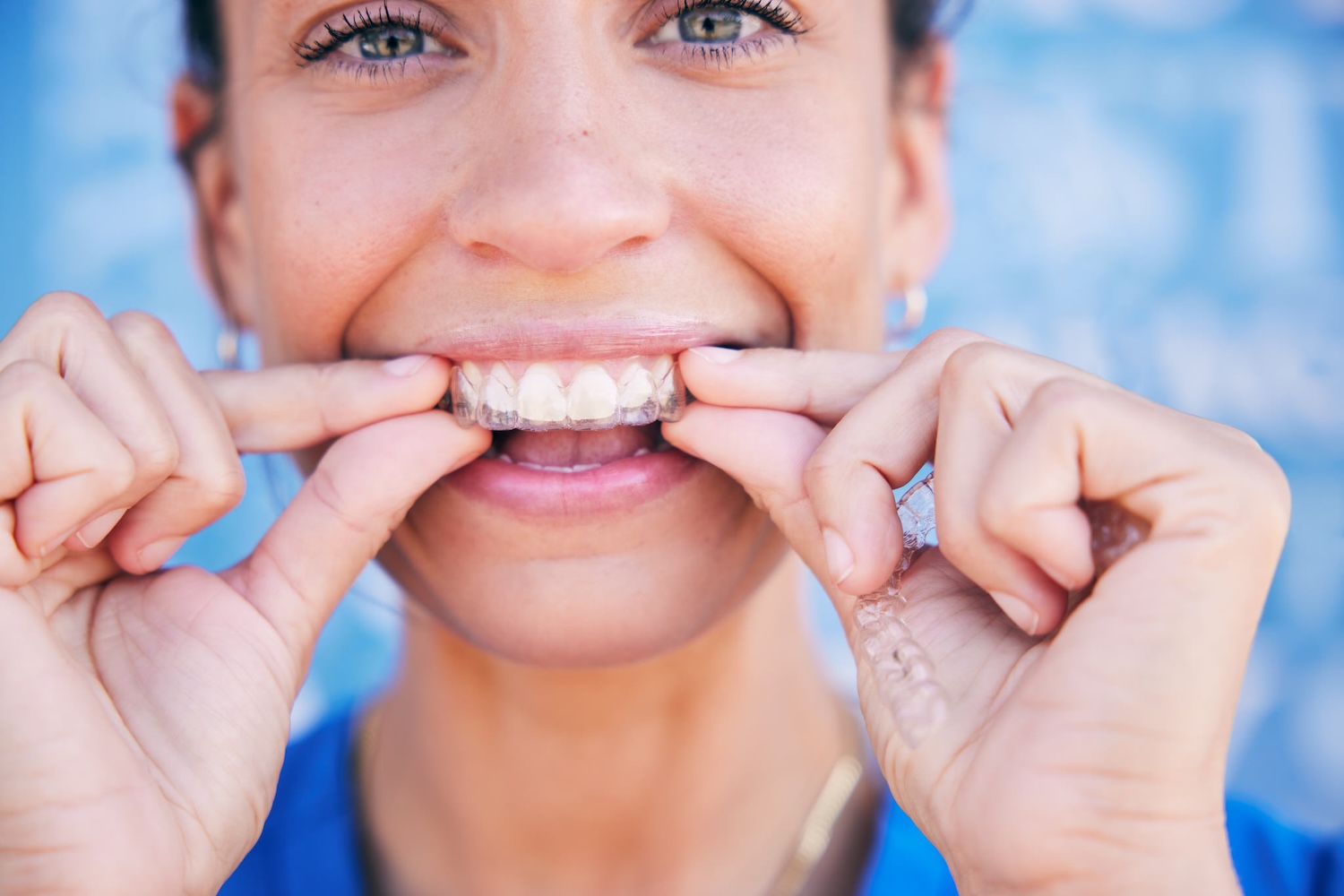
Clear aligners may be an option for some older children and teens, depending on the treatment plan and whether they can wear the aligners consistently. CarolinasDentist is a Diamond Plus Invisalign provider, so families can discuss Invisalign treatment and find out whether clear aligners could fit their child’s teeth and bite.
The choice is not about picking the trendiest option. It is about choosing the approach that fits the problem being treated and the routine your child can realistically manage.
Signs Your Child May Need Orthodontic Treatment in North Carolina
Crowding, early or late loss of baby teeth, bite changes, chewing concerns, thumb sucking habits, mouth breathing, and front teeth that chip easily are all reasons to ask about an orthodontic evaluation.
CarolinasDentist has 16 locations across North Carolina, making it easier for families to start that conversation close to home. Our team can evaluate your child’s teeth and bite, explain what we are seeing, and help you understand whether braces, Invisalign, or a watch-and-wait approach fits best. Call your nearest CarolinasDentist location to schedule an orthodontic evaluation for your child!
Related Posts