In this post, learn the signs your child may need an orthodontic evaluation. Is their smile developing the way it should?
What Can You Eat With Invisalign? Complete Food Guide
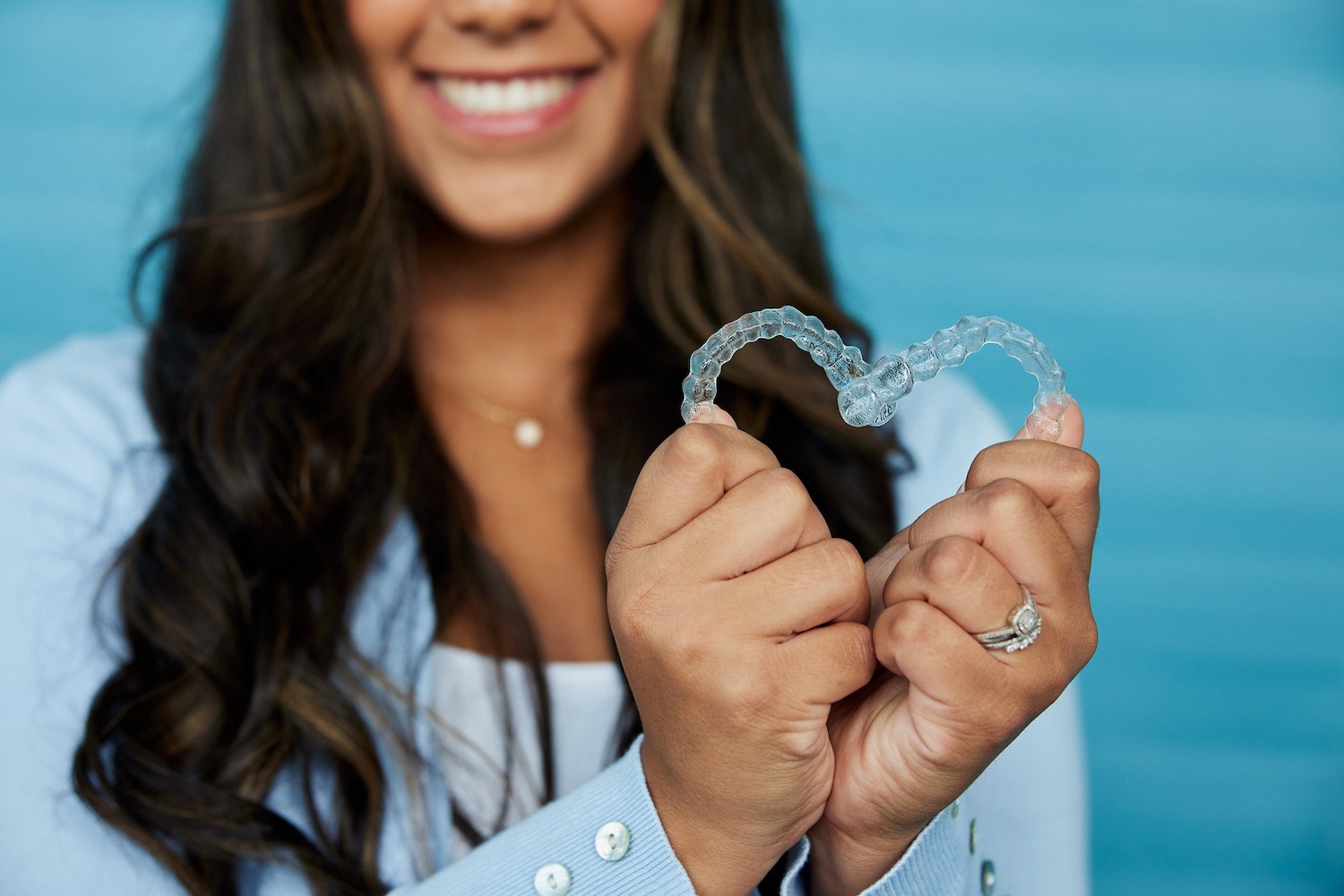
One of the biggest perks of Invisalign is that meals do not have to change as much as people expect. Since the aligners come out when you eat, you do not have the same bracket-and-wire food rules that come with traditional braces. You can still eat crunchy foods, chewy foods, sandwiches, salads, apples, popcorn, and most normal meals without worrying about breaking a wire.
The part that takes some getting used to is the routine around eating. Aligners need to come out before meals and snacks, then your teeth should be cleaned before the trays go back in. If food debris, sugar, or acidic drinks get trapped under the aligners, they can sit against the teeth for hours. That can raise the risk of stains, bad breath, cavities, and irritated gums.
At CarolinasDentist, with 16 locations across North Carolina, our team helps patients make Invisalign work with real schedules. Coffee, lunch breaks, school days, travel, snacks, and dinner plans all affect how easy treatment feels day to day. Once you know what to do before and after eating, Invisalign tends to feel much more manageable.
Can You Eat With Invisalign Aligners In?
You should remove Invisalign aligners before eating. The trays fit closely over your teeth, but they are not designed for chewing. Biting down on food while wearing them can bend, crack, stain, or distort the plastic, which may affect how the aligners fit.
Even soft foods can leave residue inside the trays. A bite of bread, fruit, or a small snack may seem harmless, but food can press into the aligner and sit against your teeth until you brush. Over time, that can make the trays look cloudy and leave your teeth more exposed to plaque and acids.
There is also the staining issue. Clear aligners can pick up color from foods and drinks, especially coffee, tea, tomato sauce, curry, berries, and red wine. Removing the trays before eating helps keep them clearer and easier to clean.
The easiest rule is to take aligners out before any meal or snack. Eat normally, clean your teeth, then put the trays back in.
What Can You Eat With Invisalign?
Once your aligners are out, you can usually eat most of the foods you already enjoy. Invisalign does not have the same food limits as braces because there are no brackets or wires that can break during meals.
That means sandwiches, salads, pasta, rice, chicken, fish, vegetables, fruit, eggs, yogurt, soups, tacos, pizza, nuts, and most regular meals are usually fine. If you have attachments, crowns, bonding, or other dental work, the team may give you more specific guidance about hard or sticky foods.
Your teeth may feel sore after starting Invisalign or switching to a new set of trays. During those times, softer foods can make meals more comfortable. Eggs, oatmeal, soup, pasta, rice bowls, smoothies, yogurt, soft cooked vegetables, and tender proteins are often easier for the first day or two.
Once the tenderness settles, most patients return to their usual eating habits. The main adjustment is not the food itself. It is remembering to remove the aligners before eating and clean your teeth before wearing them again.
Foods That Are Easier During the First Few Days
The first few days of Invisalign can feel a little strange. Your teeth may feel tight, tender, or slightly achy as they begin responding to the aligners. That does not mean anything is wrong, but it can make biting into firm foods less appealing.
During those early days, choose foods that do not require a lot of chewing force. Scrambled eggs, soft pasta, soup, smoothies, oatmeal, baked fish, steamed vegetables, rice, beans, bananas, applesauce, and yogurt can make meals easier while your mouth adjusts.
It can also help to cut food into smaller pieces. Instead of biting straight into an apple, slice it. Instead of tearing into crusty bread, choose something softer or cut it into manageable bites. Teeth can be surprisingly sensitive when pressure hits a tender spot.
After a tray change, you may notice the same tenderness again. Many patients switch aligners at night so they sleep through the first stretch of pressure. The next day, softer foods can help until chewing feels normal again.
Foods to Be Careful With During Invisalign
Since Invisalign aligners come out during meals, you do not have a long list of banned foods. Even so, some foods can make treatment more annoying if they leave debris behind, stain easily, or put extra pressure on sore teeth.
Hard foods can be uncomfortable right after a tray change. Ice, hard candy, popcorn kernels, and very hard nuts can also be rough on teeth, attachments, bonding, crowns, or fillings. If your teeth feel tender, give them a day or two before biting into anything especially firm.
Sticky foods can be harder to clean away before the aligners go back in. Caramels, taffy, gummy candy, and sticky granola bars can cling to the teeth and leave sugar behind. If sugar gets trapped under the trays, it stays close to the enamel longer than it should.
Foods that leave small pieces behind can also be a nuisance. Seeds, popcorn, leafy greens, and fibrous foods may get caught between teeth or around attachments. They are not necessarily off-limits, but it is worth checking your teeth before putting your aligners back in.
Can You Drink With Invisalign?
Water is the safest drink with Invisalign aligners in. Plain water will not stain the trays, warp them, or leave sugar or acid sitting against your teeth.
For most other drinks, remove your aligners first. Coffee, tea, soda, sports drinks, juice, wine, and flavored drinks can stain the aligners or leave sugar and acid trapped against your teeth. Hot drinks can also warp the plastic, which may affect the fit.
Even clear drinks can be an issue if they contain sugar or acid. Lemon water, sparkling water, sports drinks, and flavored water may seem harmless, but they can still sit against the teeth while the aligners hold everything close.
If you drink anything besides water, take the trays out, enjoy the drink, then clean your teeth before putting the aligners back in. When brushing is not possible right away, rinse your mouth well with water and brush as soon as you can.
Coffee, Tea, and Invisalign
Coffee and tea are common Invisalign questions because most people do not want orthodontic treatment interfering with their morning routine. You can still drink them, but it is best to remove your aligners first.
Drinking coffee or tea with aligners in can stain the trays and make them look yellow or cloudy. Hot drinks can also affect the plastic if the temperature is high enough. If sugar, creamer, honey, or flavored syrup is added, those ingredients can sit against your teeth under the trays.
A better routine is to take the aligners out, drink your coffee or tea, then rinse or brush before putting them back in. Try not to stretch coffee over several hours because aligners need to be worn most of the day to keep treatment on track.
You do not have to give up coffee for Invisalign. You just need to build it into the same routine as meals: trays out, drink, clean, trays back in.
Snacking With Invisalign
Snacking can take more adjustment than meals. Since aligners need to come out before eating, frequent snacks can add up quickly and cut into wear time.
That does not mean snacks are forbidden. It just means you may find yourself planning them more intentionally. Instead of grazing throughout the day, many patients do better with set meals and one planned snack if needed.
When you do snack, choose foods that are easier to clean from your teeth. Cheese, yogurt, soft fruit, eggs, nuts, or simple leftovers may be easier than sticky candy, crackers that pack into molars, or sugary foods that cling.
The biggest thing is keeping enough wear time. If aligners are out for breakfast, coffee, snacks, lunch, more coffee, dinner, and a late-night bite, the hours can disappear quickly. Invisalign works better when the trays are in long enough to do their job.
How Long Should Aligners Be Out for Meals?
Most Invisalign patients are advised to wear aligners for about 20 to 22 hours per day. That leaves a limited amount of time for meals, drinks besides water, brushing, and flossing. You do not have to rush every bite, but it helps to notice how long the trays are out.
For many people, three meals a day plus cleaning time fits the schedule well. If you like snacks or coffee throughout the day, you may need to plan a little more. Otherwise, aligners may be out longer than intended, and that can slow treatment.
A useful habit is to place aligners in their case as soon as you remove them. This keeps them safer and makes it more obvious when they are out of your mouth. It also keeps them away from napkins, pockets, trays, and bags where aligners tend to disappear.
If you are struggling to keep aligners in long enough, tell the team at CarolinasDentist. The issue may be your routine, discomfort, attachments, or something else that can be improved with better guidance.
What to Do After Eating
After eating, brush and floss before putting your aligners back in when you can. This removes food particles and plaque that could otherwise get trapped under the trays. It is especially helpful after sugary, sticky, or acidic foods.
If brushing is not possible right away, rinse your mouth well with water. Swish around the teeth and gums, then rinse the aligners before wearing them again. This is not a perfect substitute for brushing, but it is better than putting trays back in over food debris.
Keeping a small toothbrush, toothpaste, and floss picks with you can make the routine easier during work, school, travel, or long days out. It does not have to be fancy. It just needs to be available when you need it.
Once you are home, brush more thoroughly. Aligners fit closely, so whatever is left on the teeth can stay there longer than it would without trays.
How to Store Aligners During Meals
When aligners come out, they should go into their case. This is one of the simplest Invisalign habits, but it prevents a lot of problems. Aligners are easy to throw away when they are wrapped in a napkin, and they can bend or crack if they are placed loose in a pocket or bag.
A case also keeps the trays cleaner while you eat. Setting aligners on a table, plate, or sink exposes them to bacteria and makes them easier to misplace. It only takes one lunch tray, one napkin, or one curious pet for aligners to disappear.
If you forget your case, use a clean container as a backup until you can rinse the trays and put them away properly. Also, avoid leaving aligners in a hot car or near heat, since heat can warp the plastic and affect the fit.
It is a small habit, but it saves patients from some of the most common Invisalign headaches.
Keeping Aligners Clean
Aligners need daily cleaning. Rinse them when you remove them, and brush them gently with a soft toothbrush. Use cool or lukewarm water, not hot water, because heat can change the shape of the plastic.
Avoid using toothpaste on aligners unless the team tells you it is okay. Some toothpaste can be abrasive and may leave tiny scratches that make trays look cloudy. Clear aligner cleaning crystals or gentle clear aligner cleaners may be recommended depending on your routine.
Do not soak aligners in mouthwash unless it is approved for aligners. Many mouthwashes contain dyes that can stain the plastic. Others may leave a strong taste or film.
Clean aligners matter for more than appearance. If trays are not cleaned well, they can hold bacteria, odor, and buildup. Since they sit directly against your teeth, keeping them fresh is part of keeping treatment comfortable.
Eating Out With Invisalign
Eating out with Invisalign gets easier once you have a rhythm. Before the meal starts, remove your aligners and place them in the case. If possible, step away to take them out rather than removing them at the table.
After the meal, brush if you can. If not, rinse well with water and put the aligners back in, then brush more thoroughly when you get home. Keeping a small dental kit with you can make this easier.
Long meals can make wear time a little tricky. Dinner with appetizers, drinks, dessert, and conversation can stretch out longer than expected. That is fine once in a while, but if it happens often, aligners may be out longer than planned.
If you know you have a long event, plan around it. Wear your aligners consistently earlier in the day, keep meals more contained when possible, and get the trays back in once you are done eating or drinking.
Invisalign Attachments and Food
Many Invisalign patients have small tooth-colored attachments placed on certain teeth. These attachments help the aligners grip and guide tooth movement. They are not usually painful, but they can make food catch a little more easily.
When the aligners are out, attachments may feel slightly rough at first. You may notice food collecting around them, especially after meals with rice, greens, seeds, or sticky foods.
Brush carefully around attachments before putting aligners back in. If food stays around the attachment, the aligner may not seat as well, and the area can be harder to keep clean.
Attachments can also stain over time, especially with coffee, tea, red wine, curry, or tomato-based foods. You do not necessarily have to avoid these foods, but it helps to rinse and brush instead of letting color sit on the teeth for hours.
What If Your Teeth Feel Sore After Eating?
Mild soreness is common with Invisalign, especially when starting treatment or switching to a new set of aligners. Chewing may feel tender for a day or two because the teeth are adjusting to pressure.
During those times, choose softer foods and avoid biting directly into hard items. Cut sandwiches, fruit, and firmer foods into smaller pieces. You can still eat a normal diet, but your teeth may appreciate a softer menu while they settle.
If soreness feels sharp, severe, or focused on one tooth, contact CarolinasDentist. That may be more than normal aligner pressure. The team can check the fit, attachments, bite, or any dental issue that may be contributing.
Do not stop wearing your aligners because of mild soreness unless the team tells you to. Taking them out for long stretches can make them feel tighter when you put them back in, which may make the cycle more uncomfortable.
Foods and Habits That Can Stain Teeth During Invisalign
Because aligners cover the teeth closely, stain and plaque can become more noticeable during treatment. Dark drinks and foods are the usual suspects: coffee, tea, red wine, berries, tomato sauce, curry, soy sauce, and dark sodas. Tobacco can also stain teeth and trays.
You do not always need to avoid these completely. Remove aligners before eating or drinking anything besides water. Rinse afterward, and brush when you can. This keeps color from sitting under the trays.
Acidic foods and drinks can also affect the teeth during Invisalign treatment. Citrus, soda, sports drinks, wine, and vinegar-heavy foods can soften enamel temporarily. Rinsing with water after acidic foods or drinks can help before the aligners go back in.
The best routine is steady, not perfect. Rinse often, brush consistently, use the case, and keep the aligners out of anything that could stain or warp them.
Making Invisalign Work on Busy Days
Invisalign is usually easiest when you have a routine. Work, school, errands, travel, and kids’ schedules can make that routine harder, especially if meals happen quickly or coffee stretches through half the morning.
A case, toothbrush, toothpaste, and floss picks can help. Keep them in your bag, desk, backpack, or car so you are not stuck choosing between leaving trays out too long or putting them back in over food. If you cannot brush right away, rinse well with water and brush as soon as you can.
It also helps to plan meals instead of grazing all day. You do not have to be rigid, but fewer snack breaks usually make it easier to keep aligners in for the recommended amount of time.
The case is the one item worth being a little strict about. Aligners wrapped in napkins are easy to lose, especially at restaurants, school lunches, airports, and busy family meals.
Invisalign Food Guide in North Carolina
With Invisalign, you can usually eat the foods you enjoy as long as the aligners come out first. The real adjustment is building a meal routine that protects your teeth and keeps treatment moving: remove the trays, eat, clean your teeth, and put the aligners back in.
At CarolinasDentist, with 16 locations across North Carolina, our team can help you understand how Invisalign fits into your daily routine. If your teeth feel sore, your trays are not fitting well, your attachments are catching food, or you are having trouble keeping enough wear time, we can help you make adjustments.
If you are considering Invisalign or already wearing aligners, schedule a visit with CarolinasDentist. A clear eating and cleaning routine can make treatment easier to manage from the first tray to the last.
FAQs
Can I eat with Invisalign in? No. You should remove Invisalign aligners before eating. Chewing with them in can damage, stain, or warp the trays, and food can get trapped against your teeth.
What foods can I eat with Invisalign? You can usually eat most foods once your aligners are removed. During the first few days or after switching trays, softer foods like eggs, pasta, soup, yogurt, rice, and cooked vegetables may feel more comfortable.
Can I drink coffee with Invisalign? It is best to remove your aligners before drinking coffee. Coffee can stain the trays, and hot coffee may affect the plastic. Afterward, rinse or brush before putting the aligners back in.
Can I drink water with Invisalign in? Yes. Plain water is the safest drink while wearing Invisalign. Drinks with sugar, acid, color, or heat should be enjoyed with aligners out.
What should I do after eating with Invisalign? Brush and floss before putting your aligners back in whenever possible. If you cannot brush right away, rinse your mouth well with water and brush as soon as you can.
How long can Invisalign be out for meals? Most patients are told to wear aligners about 20 to 22 hours per day. That means aligners should only be out for meals, drinks besides water, and cleaning.
Do I need to avoid sticky or hard foods with Invisalign? Since aligners come out during meals, you do not have the same restrictions as braces. Still, hard or sticky foods can be uncomfortable after tray changes and may affect attachments, crowns, bonding, or other dental work.
Where should I put my Invisalign while eating? Put aligners in their case every time. Avoid wrapping them in a napkin or placing them on a plate, since they can easily be thrown away or damaged.
Related Posts