
Why Custom Mouthguards Are Important for Student Athletes
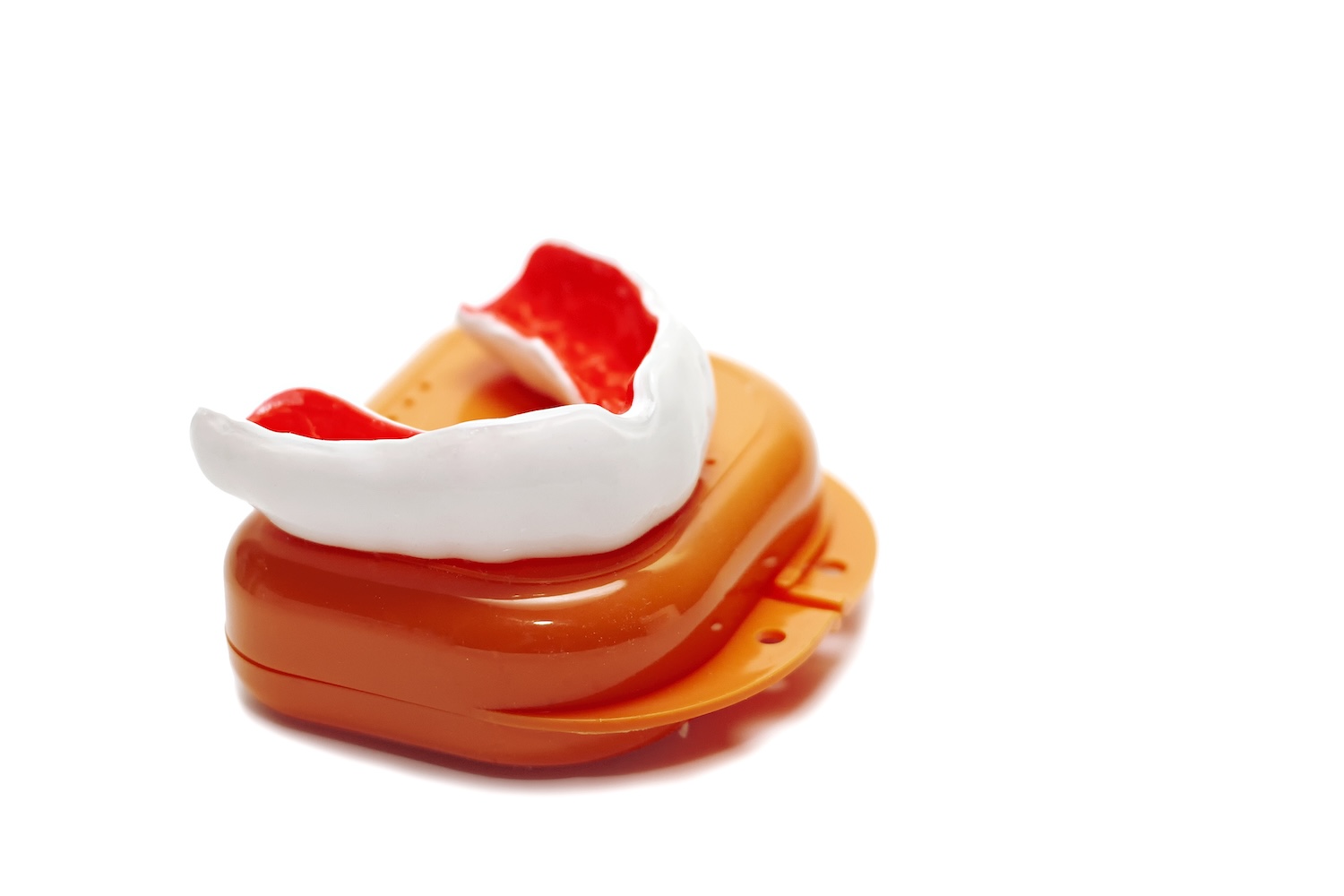
Sports come with plenty of gear. Cleats, helmets, pads, gloves, uniforms, water bottles—it can feel like half the house heads to practice too. But for student athletes who play contact or high-impact sports, a mouthguard deserves a regular spot in that equipment bag.
At CarolinasDentist, our teams across 16 North Carolina locations help families protect teeth before an injury happens. A hard elbow, an unexpected fall, or a ball to the face can chip, crack, loosen, or knock out a tooth, and the lips, cheeks, gums, and jaw can be injured too. Because those injuries can happen in seconds, a well-fitted mouthguard can be a very useful layer of protection.
Fit also affects how likely an athlete is to actually keep the guard in. If it slips, feels bulky, or makes talking difficult, it may spend more time in the athlete’s hand than in their mouth. On the other hand, a secure custom fit can make the guard easier to wear from warmups through the final whistle.
A Mouthguard Protects More Than the Front Teeth
A chipped front tooth may be the sports injury people picture first. Front teeth are certainly vulnerable, especially during basketball, football, hockey, lacrosse, soccer, wrestling, and other activities where collisions can happen quickly. Still, a hard hit can affect much more than the teeth you see when your child smiles.
A mouthguard helps cushion some of the force that reaches the teeth during a fall or collision. At the same time, it creates a barrier between the teeth and the softer tissues inside the mouth. So, when the jaws come together suddenly, the guard can also help reduce cuts to the lips, cheeks, and tongue.
The back teeth need protection as well. Athletes may clench without thinking during contact, which can put a lot of pressure on molars and premolars. By spreading that force over a larger area, a well-fitted guard can help keep one tooth from taking the full impact.
Custom Mouthguards Stay in Place More Securely
A mouthguard should not need constant adjusting. If an athlete has to keep biting down just to stop it from slipping, talking gets harder and the guard becomes one more thing to manage. After a while, that loose mouthguard may start making regular trips in and out of the mouth.
Custom mouthguards are made to fit the individual shape of the teeth. Because the guard follows those contours more closely, it can stay seated without as much clenching. That can make a noticeable difference during a long practice or game.
This is especially helpful in sports where communication is constant. A basketball player calling for the ball or a soccer player communicating while running downfield should not also be trying to push a loose mouthguard back into place with their tongue. When the fit is secure, the guard can stay out of the way and let the athlete focus on the play.
Comfort Can Make a Big Difference During Play
That secure fit also affects comfort. Athletes breathe hard, talk, drink water, and move constantly, so a bulky guard can become especially annoying once the pace picks up. If it rubs, shifts, or makes speaking difficult, the temptation to remove it gets stronger.
A custom guard fits more closely around the teeth, which can reduce unnecessary bulk. As a result, speaking and breathing may feel more natural, and the guard can be easier to keep in place between plays. For athletes who wear one several times a week, that comfort can make a practical difference.
Even so, a new mouthguard may take a little getting used to. Wearing it during practice before the first game gives the athlete time to adjust. Then, by game day, it is much more likely to feel familiar rather than like a brand-new piece of equipment.
Dental Injuries Can Happen in More Sports Than You Might Expect
Football and hockey are obvious examples, but sports-related dental injuries are not limited to activities with helmets and shoulder pads. Basketball has elbows, close contact, and hard falls, while soccer brings collisions, headers, and the occasional accidental kick.
Meanwhile, baseball, softball, wrestling, field hockey, martial arts, gymnastics, volleyball, and cheerleading can all involve falls or unexpected contact. Sometimes another player causes the impact, and sometimes it is the ball, the floor, or a piece of equipment. Teeth do not really care whether the sport is officially labeled “contact.”
So, it helps to think about what actually happens during practices and games. If your child plays a sport where falls, collisions, or fast-moving equipment are common, a mouthguard is worth considering. The risk may look different from one activity to another, but the possibility of a dental injury is still there.
How Custom Mouthguards Compare With Store-Bought Options
Once you decide a mouthguard makes sense, the next question is often which type to choose. Store-bought options usually come in stock or boil-and-bite styles. Stock guards are pre-formed, while boil-and-bite guards soften in hot water and are molded at home.
Both can offer some protection when they fit and are worn correctly, but the biggest difference is usually the fit. A stock guard can feel bulky or loose, while the fit of a boil-and-bite guard depends on how evenly it is molded. If it does not sit securely, the athlete may need to clench just to keep it in place.
A custom mouthguard, meanwhile, is made from the athlete’s own teeth, so the shape and coverage can be more precise. For a student who practices several times each week, that added comfort can become important pretty quickly. After all, this is something they may wear for hours every week.
Custom Mouthguards Can Help Protect Dental Work
Fit becomes even more important when a student athlete already has dental work. Some kids have fillings, crowns, bonding, or other restorations before the season begins, and some may even have a repaired front tooth from an earlier sports injury. A second impact to the same area can create another problem.
A mouthguard adds cushioning over both natural teeth and existing dental work. So, if your child has a large filling, a crown, or a tooth that has been repaired before, mention it during a dental visit. That history can help us look more closely at how the guard should fit.
Meanwhile, a routine checkup can catch loose restorations, cavities, or cracked dental work before practices get busy. A tooth that is already weakened may be more vulnerable during contact. Taking care of those concerns first gives the mouth a better starting point for the season.
Braces Need a Different Kind of Mouthguard
Orthodontic treatment changes the picture a little. Athletes with braces still need protection, but a conventional closely fitted custom guard may not be the best choice while the teeth are actively moving. The mouthguard needs enough room for brackets, wires, and changes in tooth position.
That is where orthodontic mouthguards come in. They are designed with extra space so they can fit over braces without hugging the teeth too tightly. At the same time, the cushioning can help protect the lips and cheeks if brackets or wires are pushed inward during a hit.
If your child is receiving Invisalign treatment through CarolinasDentist, we can take that into account too. The best option will depend on the sport, how often they play, and where they are in treatment. As the bite changes, the mouthguard may eventually need to be adjusted or replaced.
Growing Athletes Need Their Mouthguards Checked
Even without braces, student athletes grow, and their mouths change right along with them. Teeth erupt, bites develop, and the shape of the jaw can shift over time. Because of that, a mouthguard that fit comfortably last season may feel very different this year.
Before practices begin, have your child try the guard again. If it suddenly feels tight, loose, warped, or uncomfortable, it may be time for a replacement. Visible wear, thinning, tears, or deep bite marks are worth noticing too.
The guard itself can change even when the teeth have not changed much. Athletes chew on them, drop them, and shove them into equipment bags. By the end of a season, some have clearly earned retirement.
Take Care of the Mouthguard Between Games
Since mouthguards take a lot of wear, a little routine care can help them last longer. After use, rinse the guard with cool water, clean it gently, and let it dry before putting it away. A ventilated case can help moisture escape between uses.
Avoid very hot water because heat can distort the material and change the fit. The storage case should be cleaned too, especially if it travels in the same bag as cleats, socks, and uniforms. Sports bags are useful for many things, but keeping dental gear fresh is not one of their stronger qualities.
While cleaning the guard, take a quick look at its condition. Deep bite marks, splits, rough edges, or a noticeably changed shape are all signs it deserves a closer look. It is much easier to replace a worn guard before game day than discover the problem while the team is already warming up.
A Mouthguard Works Alongside Other Safety Gear
Of course, a mouthguard is only one part of sports protection. Helmets, face cages, and other sport-specific equipment can reduce injuries to the head and face, while the mouthguard adds protection for the teeth and soft tissues inside the mouth.
For example, a football helmet does not stop the teeth from coming together during a hard hit. Likewise, a face cage in hockey or lacrosse can reduce direct contact with the face, but force from a collision can still reach the mouth. A mouthguard adds cushioning in an area those other pieces of equipment do not fully cover.
Before the season begins, it is also worth checking that all protective equipment still fits correctly. Kids grow quickly, and gear that fit well last year may not sit the same way now. The mouthguard belongs on that preseason fit check too.
Know What to Do If a Dental Injury Happens
Even with good protective gear, dental injuries can still happen. If a tooth chips, cracks, becomes loose, or gets knocked out, contact a dentist promptly. Quick treatment can affect what options are available.
A knocked-out permanent tooth needs especially fast attention. Handle the tooth by the crown rather than the root, avoid scrubbing the root surface, and keep the tooth moist while seeking emergency dental care. This is one of those situations where moving quickly is genuinely useful.
Not every sports injury is as obvious as a missing tooth, though. A tooth that suddenly feels loose, a bite that feels different, bleeding around a tooth, or jaw discomfort after a hard hit should also be checked. Sometimes the outside of the mouth looks fairly normal while a tooth underneath has still been injured.
Preventing Dental Injuries Can Save a Lot of Trouble Later
Because sports injuries can range from minor chips to serious tooth damage, prevention is worth thinking about before the season starts. A chipped tooth may need bonding or a crown, while a more serious injury can lead to root canal treatment or, in some cases, replacement of a tooth that cannot be saved. Some injuries also need follow-up long after the original accident.
A mouthguard cannot prevent every injury, but it can help reduce the force reaching the teeth and surrounding tissues. For a student who spends hours each week practicing and competing, that extra protection can be useful. It is a small piece of equipment protecting teeth that need to last far beyond one season.
Preventive dental care fits into the picture too. Cavities, worn fillings, or previously injured teeth can be checked before games and tournaments start filling the calendar. If your child is due for a dental checkup, mentioning their sport gives us useful context for the visit.
A Dental Checkup Is a Good Time to Bring the Mouthguard Along
That regular pediatric checkup is also a convenient time to bring the mouthguard itself. We can look at how it fits, check the material for wear, and see whether changes in the teeth or bite have affected it. This can be especially useful for growing teens and students in orthodontic treatment.
During the same visit, we can also check for cavities, worn restorations, or previous injuries that may need attention. If your child has grown quite a bit since the guard was made, let us know. Sometimes a mouthguard can look fine but no longer sit as securely as it should.
And if your child does not have a mouthguard yet, a routine visit is a natural time to ask about one. From there, we can talk through the sport they play, how often they participate, and whether a custom option would be useful.
Why Custom Mouthguards Can Be Worth Considering
For many student athletes, the main advantage of a custom mouthguard comes down to fit. It is made for their teeth, so it can sit more securely and feel less bulky than a loose guard. That can make it easier to wear consistently during both practices and games.
The fit can be especially helpful in sports where athletes need to talk often or breathe hard for long stretches. Instead of biting down constantly just to keep the guard in place, they can focus on what is happening around them. For something worn that often, comfort has real practical value.
Of course, the right mouthguard depends on the athlete, the sport, and whether the teeth are still changing. A younger child, a teenager with braces, and an older student with stable adult teeth may need different approaches. As the athlete grows, the fit should be checked and updated when needed.
Custom Mouthguards for Student Athletes at CarolinasDentist in North Carolina
A well-fitted mouthguard can help protect teeth, gums, lips, and existing dental work during sports. For many student athletes, a custom fit also makes the guard easier to keep in place while running, talking, and competing. And when the guard feels comfortable and secure, wearing it becomes much less of a hassle.
At CarolinasDentist, our teams across 16 North Carolina locations can discuss sports mouthguards during regular dental visits, check an existing guard, and take braces or Invisalign treatment into account. We can also look for cavities, worn dental work, or previous injuries before another season gets underway.
If your student athlete is due for a checkup, bring their current mouthguard along or ask about sports protection during the visit. A good fit, healthy teeth, and a little preparation before the season can help keep the focus on practices, games, and enjoying the sport.