
In this post, see why a better-fitting mouthguard can mean less adjusting, more comfort, and stronger protection when the game gets physical.
The Benefits of Seeing the Same Dentist Year After Year
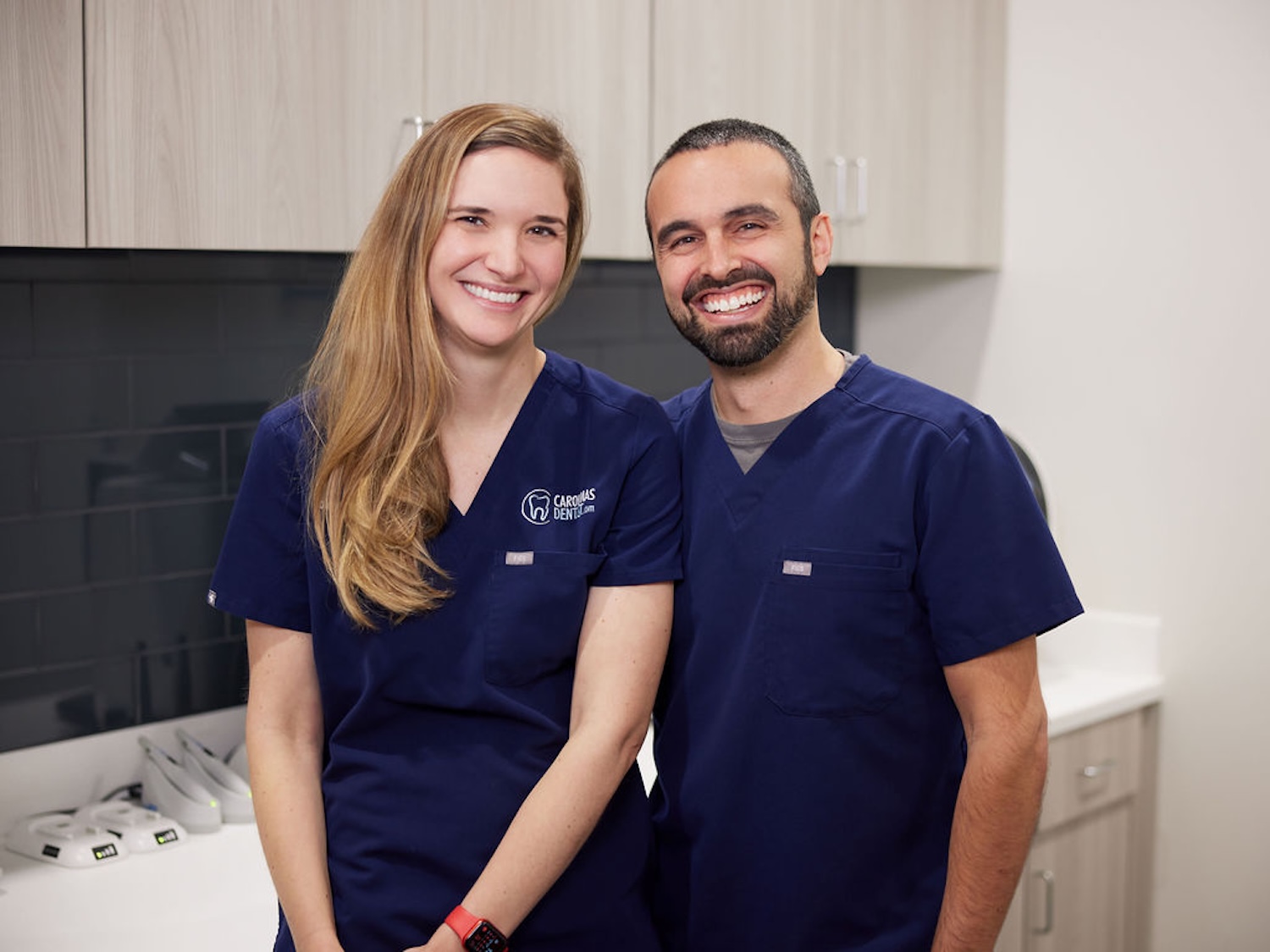
There is a lot your dentist can learn from seeing your teeth once, but there is even more to learn by seeing how they change over several years. An old filling may look fine today but show new wear later, while a small area of gum recession may stay stable for years before beginning to change. When your dentist has been following those areas over time, they can compare what they see today with what they saw at earlier visits.
At CarolinasDentist, our teams care for patients across North Carolina through preventive, restorative, cosmetic, orthodontic, and family dentistry. Many patients stay with the same dentist for years, which gives that provider time to learn your dental history, follow areas that need attention, and get to know how your mouth tends to respond to treatment. Over time, those repeat visits can make care feel more connected from one appointment to the next.
If you have been coming to the same dentist for years, you do not have to explain every old crown, filling, sensitive area, or previous treatment from the beginning. Your dentist already knows what has been stable, what has changed, and which areas deserve another look. Then, when something new comes up, there is already some background to work from.
Your Dentist Can Track Changes Over Time
Dental exams become more useful when there is something to compare them with. Previous X-rays, gum measurements, clinical notes, photographs, and treatment records can show whether an area has stayed stable or begun to change. For example, a small shadow on an X-ray tells us more when we can compare it with an image from a year or two earlier.
The same is true for fillings, crowns, and natural tooth structure. A dentist who has been checking an older filling over several visits may know that a small stain along the edge has looked the same for years. However, if that edge begins to open or a crack starts forming nearby, the change becomes easier to recognize.
That history can also keep treatment from being rushed. Some areas can be watched safely when earlier records show they have remained stable. Then, if something starts progressing, we have a clearer reason to step in.
Your Dental History Is Already Known
When you see the same dentist regularly, you do not have to rebuild your dental history at every appointment. We already know which teeth have crowns, which fillings are older, whether you have had root canals, and which areas we have been following. We also know how those teeth have behaved over time.
If we placed a crown because a tooth had a large filling and developed a crack, we remember why the crown was needed in the first place. So if that tooth becomes sensitive years later, we can look at the current symptoms alongside the earlier history. The same applies if a tooth has already had root canal treatment or if an older restoration has been watched for several visits.
Gum care, bite changes, and missing teeth also make more sense when we can look back at earlier visits. Rather than treating each new concern like an isolated problem, we can connect it with what we have already seen. From there, we can make the next recommendation with more context.
Small Changes Are Easier to Recognize
Every mouth has its own baseline. Some people naturally have mild recession in one area, deeper grooves in certain teeth, or a bite that has looked the same for many years. Once we know what is normal for you, small changes are easier to catch.
For example, your lower front teeth may have had mild crowding for years. If we begin seeing more overlap later, we can tell that the teeth are shifting. Likewise, if your gum measurements have stayed healthy and one area begins getting deeper, we know to take a closer look.
Wear patterns can change too. A new flat spot, chipped edge, or increasing wear on several teeth may suggest grinding or a change in the bite. Because we have earlier visits to compare, we are not judging the pattern from one appointment alone.
Fillings and Crowns Can Be Monitored More Carefully
Dental restorations do not come with a set expiration date. Some fillings and crowns last for many years, while others need attention sooner because of wear, decay, cracks, or changes in the surrounding tooth. Regular exams let us keep an eye on how those restorations are holding up rather than waiting for discomfort or a fracture to be the first sign of trouble.
We may watch the edge of an older crown for several visits. If the crown still fits well, the tooth is comfortable, and the surrounding gum remains healthy, there may be no reason to change anything. However, if the margin starts opening or decay develops underneath, then the recommendation changes.
When we have been following the restoration for years, we can show you what changed since the last visit. That helps explain why a filling or crown that was fine before may need attention now. It also gives us a clearer picture of how the restoration has been holding up over time.
Gum Health Can Be Compared From Visit to Visit
Gum disease often makes more sense when we can look at a trend. During preventive visits, we may measure the spaces around your teeth and look for bleeding, recession, inflammation, and signs of bone loss. One set of measurements gives useful information, but several sets over time show whether things are staying stable.
Maybe one area consistently measures a little deeper than the rest but has not changed in years. In that case, we may continue watching it. However, if that same area becomes deeper, starts bleeding more, or shows additional bone loss, we know the condition is progressing.
The same comparison helps after periodontal treatment. We can look at later measurements beside the numbers recorded before treatment and see how the gums responded. Then, if the maintenance schedule needs to change, we can base that decision on what we are seeing over time.
Your Dentist Learns How You Respond to Treatment
Two people can have similar dental procedures and respond very differently afterward. One patient may have almost no sensitivity after a filling, while another tends to notice temperature changes for a while. Over time, your dentist learns some of those patterns.
If your teeth tend to be sensitive, we can keep that in mind when planning treatment and talking about what you may feel afterward. If you have a strong gag reflex or need more time getting numb, we already know that before the next visit begins. Likewise, if a certain approach has worked well for you in the past, we can use that information again.
Those details can make a visit more comfortable. You do not have to explain the same preferences every time you come in. Instead, the team already knows some of the things that tend to work better for you.
Dental Visits Can Feel More Familiar
Some patients are comfortable at the dentist from the beginning, while others need time to get used to the people treating them. Seeing the same dentist can remove some of the uncertainty because you already know how that person communicates and what to expect during an appointment. At the same time, your dentist gets to know how you prefer to handle treatment.
Maybe you like more explanation before treatment starts, or perhaps you prefer to keep the details brief. You may have one sensitive tooth during cleanings or need a short break during longer procedures. After several visits, those details become part of the routine.
Children can benefit from that familiarity too. A child who returns to the same dentist gets to recognize the office, the people, and the rhythm of the visit. Then, as their teeth change, they are seeing someone who already knows where they started.
Your Dentist Can Follow Changes at Different Ages
Dental needs at 25 can look very different from dental needs at 45 or 70. Over time, medications may change, gums may recede, fillings may wear down, and teeth may shift. Seeing the same dentist gives those changes a longer timeline.
For adults, we may begin paying closer attention to dry mouth, grinding, gum recession, or older dental work as the years pass. Meanwhile, changes in health or medication can affect cavity risk and gum health. Because we already know your earlier history, we can compare what is happening now with what was normal for you before.
Older adults may also begin discussing missing teeth, dentures, implants, or changes in existing bridges. If we have been following you for years, we already know which teeth were lost, what treatment was done, and how the remaining teeth have held up. That history can help shape the next phase of care.
Children Benefit From Long-Term Dental Care
A child’s mouth changes quickly. Baby teeth loosen, permanent teeth erupt, spacing changes, and the bite keeps developing through childhood and the teen years. Seeing the same dentist lets us follow those changes from one stage to the next.
We may notice that a permanent tooth is coming in at an angle or that space is getting tighter as more adult teeth erupt. Then, at the next visit, we can see whether the situation improved or continued changing. If an orthodontic evaluation becomes appropriate, we already have some history behind that recommendation.
Parents can also bring up new concerns as they come up. Maybe a tooth is taking a long time to erupt, your child has started grinding at night, or brushing around braces has become difficult. Since we already know your child’s dental history, we can connect those questions with what we have been seeing at previous visits.
Long-Term Care Can Support More Conservative Treatment
Seeing the same dentist year after year can sometimes help us avoid doing more dentistry than necessary. If a tooth has a small crack line but has looked the same for several years, feels comfortable, and shows no other signs of trouble, we may continue monitoring it. Earlier records help us see whether that line is old or changing.
The same approach can apply to very early areas of decay. Some enamel changes may remain stable with good home care, fluoride, and regular monitoring. However, if X-rays begin showing progression, then treatment may make more sense.
A growing cavity, infected tooth, fractured restoration, or progressing gum disease needs a different approach. In those cases, we can compare the current findings with earlier exams and see what has changed. Then, the recommendation is based on the condition of the tooth or gums now, along with what we have seen over time.
Previous Treatment Has More Context
A crown on an X-ray does not explain why that crown was placed. A root canal does not tell the full story of what happened before treatment, and an implant does not explain why the original tooth was lost. When the same dentist has followed you through those treatments, that background stays connected.
Perhaps a crown was placed because a tooth had a large filling and developed a crack. Years later, if that tooth starts feeling different, we can look back at the original concern. Likewise, if a bridge was chosen because the neighboring teeth already needed crowns, that history helps when we evaluate the restoration later.
Previous treatment can also affect new treatment nearby. We know which teeth have already been heavily restored and which still have mostly natural tooth structure. So if several options are available, that history can help narrow down which ones fit best.
Returning After a Gap in Care Is Easier
Plenty of patients miss a year or two of dental visits at some point. Work gets busy, insurance changes, someone moves, or dental care slips down the list for a while. When you return to a dentist who already knows you, there is still an earlier record to work from.
We can compare new X-rays with older images and see what changed during the gap. One filling may look exactly the same, while another tooth may have developed decay that was not there before. Gum measurements can also be compared with the last set we recorded.
Then, we can focus on what needs attention now. If several things have changed, we can organize them by urgency and build a plan from there. A gap in visits does not erase the dental history that was already established.
Emergency Visits Come With More Background
When you call with a toothache or broken tooth, your dentist may already know a lot about that tooth. If it has a large filling, an older crown, or a crack we have been watching, we can use that history during the emergency exam. Previous X-rays can also give us something to compare with what we see that day.
If the tooth looked stable before and now shows a new change, that can help narrow down what is causing the pain. On the other hand, if the problem is completely new, we still have a clearer picture of where the tooth started. Either way, there is more information available than there would be from one isolated visit.
The same can be true when pain comes from the bite, gums, or surrounding teeth rather than the tooth you expected. Since we already know your mouth, we can compare the new symptoms with the history we have been following. From there, we can focus the exam on the areas most likely to be involved.
Changes in Your Health Can Be Followed Too
Your medical history is part of dental care. New medications, pregnancy, diabetes, dry mouth, cancer treatment, or other health changes can affect the teeth and gums. Seeing the same dentist makes it easier to recognize when your oral health begins looking different from its usual pattern.
Dry mouth is a good example. Some medications reduce saliva, and lower saliva levels can raise cavity risk because the mouth loses some of its natural protection. If you begin developing new cavities after years of very little decay, a medication change may be one thing we discuss.
Diabetes can also affect gum health, while periodontal inflammation can make blood sugar management more difficult. Because we already know what your gums looked like before, changes may be easier to identify. As your overall health changes, we can keep comparing what we see now with what we saw before.
Preventive Advice Can Become More Specific
General dental advice is useful, but it only goes so far. Over time, your dentist can make recommendations based on what keeps showing up in your mouth. Instead of repeating the same broad advice at every visit, we can focus on the areas that keep giving you trouble.
If you repeatedly develop cavities between certain teeth, we can spend more time talking about cleaning those areas and fluoride. If gum inflammation keeps returning around crowded teeth, we can recommend tools that reach those spots more easily. Meanwhile, if grinding is wearing the teeth, we may discuss a nightguard before more enamel is lost.
Those recommendations can change as your mouth changes. Something that worked well five years ago may need adjusting after orthodontic treatment, a new crown, or changes in gum health. Regular care gives us the chance to keep updating those recommendations with you.
Patterns Can Be Easier to Recognize
A chipped tooth, sore jaw muscles, worn enamel, and a broken filling may look like separate problems at first. Over time, however, they can point toward the same underlying issue, such as grinding or heavy bite pressure. Seeing the same dentist gives us more opportunities to notice those patterns.
That can change the treatment plan. If one tooth needs a crown and several nearby teeth also show heavy wear, we may want to look more closely at the bite before restoring the tooth. Otherwise, the same pressure that damaged the first restoration could continue affecting the new one.
The same applies when several teeth need treatment. We can look at how the problems connect rather than treating every tooth as unrelated. With a longer history, those connections can become clearer.
If Life Changes, CarolinasDentist Can Still Help
Staying with the same dentist has clear benefits, but we know life changes. You may move, change jobs, or spend more time in another part of North Carolina. If another CarolinasDentist location becomes more convenient, you can still remain within the same dental group.
You may meet a different dentist and team, but your previous treatment, X-rays, and dental history can still provide useful background. Then, the new provider has a starting point when looking at older crowns, fillings, periodontal measurements, or treatment that was already underway. It gives you some flexibility without making your earlier care feel completely disconnected.
For most patients, the goal is still to build a long-term relationship with a dentist who knows them well. The wider CarolinasDentist network is there if life takes you somewhere else. You can continue your care without having to leave the CarolinasDentist family behind.
Long-Term Care Can Grow With Your Family
For many patients, dental care becomes part of the family routine over time. A parent may first come in for their own cleaning, then later bring a child for early dental visits. Years later, that child may be talking with us about orthodontic treatment while the parent is checking an older crown.
Those long relationships give us a chance to follow different generations of the same family. We may know a child’s dental history from the time the first permanent teeth came in, while also caring for parents and grandparents. As everyone’s needs change, the history stays connected.
That familiarity grows through years of exams, conversations, treatment, and routine care. Over time, your dentist gets a clearer picture of what has stayed stable, what has changed, and what needs closer attention. For many families, that continuity becomes one of the biggest reasons to keep coming back to the same team.
The Benefits of Seeing the Same Dentist at CarolinasDentist in North Carolina
Seeing the same dentist year after year gives your care a longer view. We can compare X-rays, follow fillings and crowns, watch gum measurements, recognize changes in the bite, and remember how you have responded to treatment before. When something changes, we can compare it with what we have already been following.
At CarolinasDentist, our teams care for patients across North Carolina, and we value the long-term relationships that grow from seeing the same dentist over time. If life changes, our network of locations gives you some added flexibility while keeping you within the CarolinasDentist family. If you are looking for a dental practice you can keep coming back to over the years, schedule your next visit with CarolinasDentist.
Related Posts