In this post, learn why waiting until January can turn a small dental problem into a bigger repair—and which symptoms are worth getting checked before the holiday rush.
How Restorative Dentistry Can Improve Your Quality of Life

A damaged or missing tooth can quietly change the way you move through the day. Maybe you start chewing on the other side, skip foods that used to be easy to enjoy, or become more aware of your smile in photos and conversations. None of those changes may seem major on their own, but together they can make everyday life less comfortable.
Restorative dentistry focuses on repairing or replacing teeth so they can function more normally again. At CarolinasDentist, our teams across 16 North Carolina locations help patients with cavities, cracked teeth, missing teeth, worn dental work, infections, and many other concerns. Depending on what is going on, treatment may include fillings, crowns, bridges, dentures, dental implants, or root canal therapy.
And while the treatment happens in the dental chair, the benefits tend to follow you home. Eating can become easier, sensitivity may settle down, speech can improve, and smiling can feel more natural. A tooth that works the way it should is one less thing asking for your attention all day.
Restorative Dentistry Starts With Function
When a tooth is damaged, the first question is usually whether it can still do its job. Teeth need to handle biting, chewing, and everyday pressure without causing pain or breaking down further. So, if a tooth is cracked, decayed, or weakened, even a simple meal can start to feel like a negotiation.
Restorative dentistry repairs those problems so the tooth can function more normally again. A small cavity may need a filling, while a heavily damaged tooth may need a crown. If the tissue inside the tooth becomes infected, root canal therapy may be needed before the final restoration is placed.
At CarolinasDentist, we look at how much healthy structure remains, how the tooth fits into your bite, and what kind of support it needs. From there, we can recommend a treatment that matches the condition of the tooth rather than simply covering what is visible. That can make a noticeable difference in both comfort and long-term function.
Eating Can Become Easier Again
One of the first places dental problems tend to show up is at the table. A cracked tooth may make crunchy foods uncomfortable, while missing teeth can make chewing meat, vegetables, nuts, or even a sandwich more difficult. Before long, you may find yourself planning meals around what your teeth can handle.
Restorative treatment can help bring some of that flexibility back. Fillings and crowns can strengthen damaged teeth, while bridges, dentures, or implants can replace missing teeth and improve chewing ability. Once the bite feels more balanced, meals often become simpler and more enjoyable.
Chewing on only one side can also place extra pressure on the teeth that are doing all the work. Over time, those teeth may become worn or sore themselves. By restoring damaged or missing areas, the bite can become more even and the workload can be shared again.
Pain and Sensitivity Can Affect More Than Meals
Dental discomfort can creep into all kinds of ordinary moments. Cold water may suddenly feel unpleasant, sweets may set off a sharp twinge, or chewing on one tooth may become something you automatically avoid. If the irritation sticks around, you may start changing habits before you even realize it.
A filling can often relieve sensitivity caused by a cavity, while a crown can protect a cracked or weakened tooth. When infection reaches the inside of the tooth, root canal therapy may be needed to remove the damaged tissue and preserve the tooth. Afterward, the tooth may need a crown or another restoration for added support.
Because several dental problems can cause similar symptoms, an exam is important. A cracked tooth, worn filling, cavity, or exposed root can all feel surprisingly alike. Once we identify the source, we can match the treatment to the actual problem.
Missing Teeth Can Change the Way Your Bite Works
A gap in your smile can affect more than appearance. Missing teeth can change chewing, speech, and the way the remaining teeth come together. Over time, neighboring teeth may also begin drifting toward the open space.
The right replacement depends on how many teeth are missing and the condition of the gums and bone. A dental bridge may replace one or more teeth by using nearby teeth for support. Meanwhile, dentures can replace several teeth or a full arch, while dental implants provide support that is anchored in the jawbone.
Replacing a missing tooth can also help stabilize the bite. Once the open space is restored, surrounding teeth are less likely to shift into it. That can make chewing feel more balanced and help protect the teeth that remain.
Crowns Can Give Weakened Teeth More Support
Some teeth have been through quite a lot by the time they need a crown. They may already have large fillings, cracks, previous root canal treatment, or years of wear. At a certain point, another filling may not provide enough reinforcement.
A crown covers the visible portion of the tooth and helps distribute chewing pressure more evenly. It can also restore the tooth’s shape, strength, and appearance. For many patients, the biggest benefit is simply being able to bite down without wondering whether the tooth will complain.
Crowns are also commonly used after root canal therapy on back teeth. Because molars and premolars handle heavier chewing forces, added support can lower the risk of fracture. If a tooth has already done years of hard work, a crown can help it keep going.
Fillings Can Keep Small Cavities From Becoming Larger Repairs
Cavities are one of the most common reasons patients need restorative treatment. When decay is caught early, a filling can remove the damaged area and rebuild the tooth without requiring more extensive care. More healthy tooth structure can usually be preserved at this stage as well.
Small cavities may not hurt right away, which is why regular exams are helpful. By the time sensitivity develops, the decay may already be deeper. So, catching the problem earlier can mean a simpler repair.
We also check older fillings for wear, cracks, and changes around the edges. Dental work can last for many years, but it is not permanent. When a filling begins to fail, replacing it before the tooth breaks can help prevent a much larger repair.
Root Canal Therapy Can Help Preserve an Infected Tooth
When decay or damage reaches the tissue inside a tooth, the result may be pain, swelling, lingering sensitivity, or tenderness while chewing. In some cases, the tooth may even stop hurting for a period of time as the nerve tissue becomes more damaged. However, the infection can still remain.
Root canal therapy removes inflamed or infected tissue from inside the tooth. The canals are then cleaned, shaped, filled, and sealed so the tooth can remain in place. After treatment, a crown or another restoration may be recommended to protect the remaining structure.
Keeping the natural tooth can help maintain chewing function and bite balance. However, not every damaged tooth can be preserved, especially when there is a severe fracture or very little healthy structure left. We can evaluate the tooth and explain whether root canal therapy or another option makes more sense.
Dental Implants Can Restore Stability
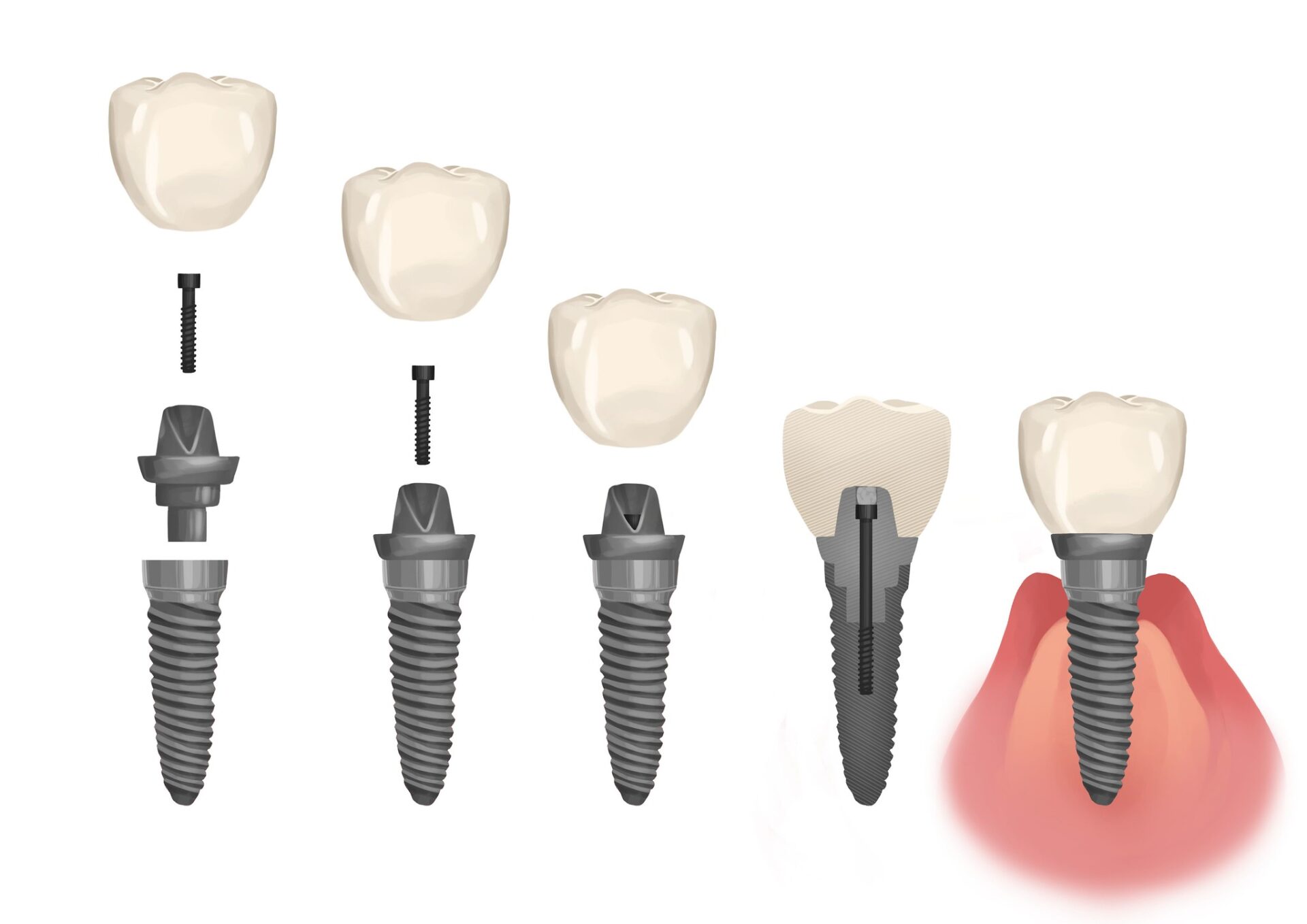
Dental implants are one option for replacing missing teeth. The implant is placed in the jawbone, where it acts as a stable foundation for a crown, bridge, or denture. Once the area heals, the restoration is attached above the gumline.
Because implants are supported by the jaw, they can provide strong chewing support without relying entirely on neighboring teeth. They can also help preserve bone in the area where a tooth has been lost. For some patients, that added stability makes eating and speaking feel more natural.
Implant treatment does require planning, though. Gum health, bone support, medical history, and smoking habits can all affect treatment. During an exam, our team can look at those factors and explain whether implants are a good fit.
Dentures Can Make Daily Life More Comfortable
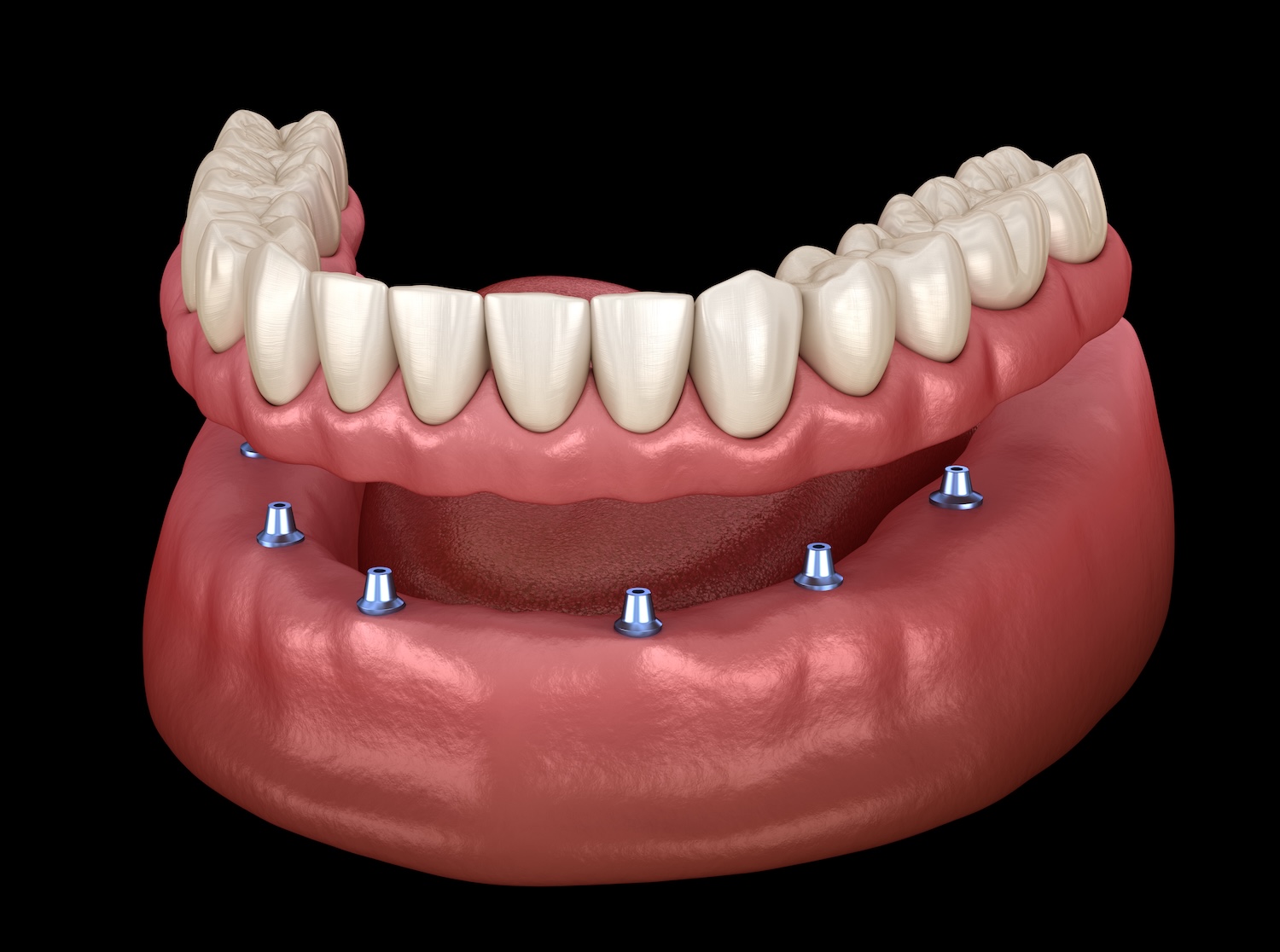
When several teeth are missing, dentures can provide a practical way to restore both function and appearance. Partial dentures replace some missing teeth, while full dentures replace an entire upper or lower arch. Both can improve chewing, speech, and support for the lips and cheeks.
Modern dentures can look natural and fit comfortably, but they still need regular attention. The shape of the gums and jaw can change over time, which means an older denture may eventually loosen. A fit that once felt secure may start shifting during meals or conversations.
If your denture moves, creates sore spots, or no longer feels comfortable, let us know. Adjustments, relines, or replacement may help. You should be able to enjoy lunch without wondering what your denture is planning to do next.
Restorative Dentistry Can Improve Speech
Teeth help shape many of the sounds we use when speaking. Missing front teeth or poorly fitting dentures can change airflow and tongue placement, which may affect pronunciation. Even a small gap can change the way certain words sound.
Replacing missing teeth can help restore those contact points. A bridge, denture, or implant-supported restoration may improve speech and make talking feel more natural. It can take a little time for the tongue to adjust to the new shape, but that adjustment usually becomes easier with use.
If your speech changed after tooth loss or dental work, mention it during your visit. Fit, position, and bite can all play a role. Sometimes a small adjustment is enough to improve both comfort and pronunciation.
A More Balanced Bite Can Reduce Extra Strain
When one tooth hurts or is missing, the rest of the mouth often starts compensating. You may chew more heavily on one side, shift your jaw, or rely on a smaller group of teeth. Eventually, those teeth can begin showing extra wear.
Restorative treatment can help redistribute that pressure. Crowns, bridges, implants, and dentures can all contribute to more even chewing when they are properly planned. Meanwhile, repairing one weak area may protect nearby teeth from doing more work than they should.
Bite changes can also affect jaw comfort. If you notice uneven chewing, jaw soreness, or a tooth that seems to hit before the others, bring it up during your exam. Those details can help us see how the teeth are working together.
Restoring Teeth Can Change How You Feel About Your Smile
Function comes first, but appearance is part of everyday life too. A chipped, discolored, cracked, or missing tooth can make you more aware of your smile during photos, conversations, or meetings. That can be frustrating, especially when the tooth is also causing discomfort.
Restorative dentistry often improves appearance while repairing the underlying problem. Tooth-colored fillings can blend with natural enamel, while crowns and bridges can be designed to match nearby teeth. Implant crowns and dentures can also restore areas that have been missing.
At CarolinasDentist, we consider shape, color, and proportion when planning restorations in visible areas. The tooth still needs to work properly, but it should also look like it belongs there. Ideally, the restoration settles into the smile instead of standing apart from it.
Better Chewing Can Support Better Nutrition
Dental health and nutrition are closely connected because chewing is where eating begins. When chewing hurts, people often choose softer foods and avoid anything that requires more effort. As a result, the diet can gradually become more limited.
Restoring damaged or missing teeth can make foods like vegetables, fruit, nuts, and proteins easier to manage. You may still have dietary restrictions for other health reasons, but dental discomfort should not be the reason an apple or salad feels off-limits. Comfortable chewing gives you more flexibility at mealtime.
If you have changed your diet because of your teeth, tell us. That detail helps us understand how much the problem is affecting your day. It can also help us decide which treatment areas should be addressed first.
Restorative Care Can Make Cleaning Easier
Broken teeth, rough fillings, and poorly fitting dental work can make brushing and flossing frustrating. Food may collect in awkward spaces, and floss can shred or catch around damaged restorations. Those areas may then become more prone to decay or gum inflammation.
Repairing the tooth can create a smoother surface that is easier to keep clean. A properly shaped filling or crown should allow you to brush and floss without constantly fighting the dental work. Replacing missing teeth can also make surrounding areas easier to maintain.
After restorative treatment, our team can show you how to clean around the new dental work. Bridges, implants, and dentures may need slightly different techniques. A few practical adjustments can help protect the restoration and the teeth around it.
Restorative Dentistry Can Help Prevent Future Problems
A damaged tooth rarely stays exactly the same. A small crack can spread, a cavity can deepen, and a loose filling can allow more structure to break away. Once that happens, treatment often becomes more involved.
Early care can help preserve more of the natural tooth. A filling may be enough for a small cavity, while waiting could eventually lead to a crown or root canal. Likewise, replacing a failing restoration before the tooth fractures can reduce the amount of repair needed later.
Regular dental exams give us a chance to spot those changes before they become urgent. X-rays can reveal decay between teeth or beneath older restorations, while a clinical exam can identify cracks, wear, and loose dental work. Catching those changes earlier usually gives us more treatment options.
Treatment Can Be Planned in Stages
Sometimes several teeth need attention at the same time. In that situation, everything does not always have to happen in one visit. Treatment can often be organized according to urgency, function, and your schedule.
A painful or infected tooth may need attention first, while a worn crown or missing tooth may be able to wait. After the urgent concerns are addressed, the remaining work can be scheduled in a practical order. That can make a larger treatment plan feel far more manageable.
At CarolinasDentist, we can explain which areas need attention sooner and which can safely be monitored for a while. We can also review options when there is more than one reasonable treatment approach. That way, you know what needs to happen now and what can be planned for later.
Restorative Dentistry Is Not Only for Older Adults
Restorative treatment can be needed at almost any age. Younger adults may need fillings, crowns after injuries, or replacement for a missing tooth. Meanwhile, middle-aged patients may begin replacing older dental work, and older adults may need more extensive restorative care after decades of wear.
Sports injuries, grinding, decay, accidents, and genetics can all affect teeth regardless of age. Someone in their twenties can crack a tooth just as easily as someone in their sixties. Teeth are wonderfully durable, but they are not immune to bad luck.
The treatment depends on the condition of the tooth and the health of the surrounding tissues. If something feels different, looks damaged, or makes chewing uncomfortable, it is worth having it checked. A small repair today may save you from a much bigger one later.
Schedule Restorative Dentistry at CarolinasDentist in North Carolina
Restorative dentistry can improve everyday life in ways that go well beyond repairing a tooth. It can make chewing easier, reduce pain and sensitivity, improve speech, support better nutrition, and replace missing teeth that have been affecting your bite. It can also help your smile feel more familiar again.
At CarolinasDentist, our teams across 16 North Carolina locations provide restorative care for cavities, broken teeth, infections, missing teeth, worn dental work, and many other concerns. Depending on your needs, treatment may include fillings, crowns, root canal therapy, bridges, dentures, implants, or a combination of services. We will examine the area, explain what we find, and help you choose an approach that fits your oral health and daily life.
If you have been chewing around a sore tooth, avoiding favorite foods, or putting off a repair that keeps demanding your attention, schedule an appointment with CarolinasDentist in North Carolina. Let us help you get back to eating, smiling, and moving through the day without your teeth constantly asking to be noticed!
Related Posts