
In this post, see how your mouth connects with blood sugar, pregnancy, stress, nutrition, and more—because wellness does not stop at your smile.
Why Are My Teeth Sensitive to Cold?
- CarolinasDentist
- Oral Health
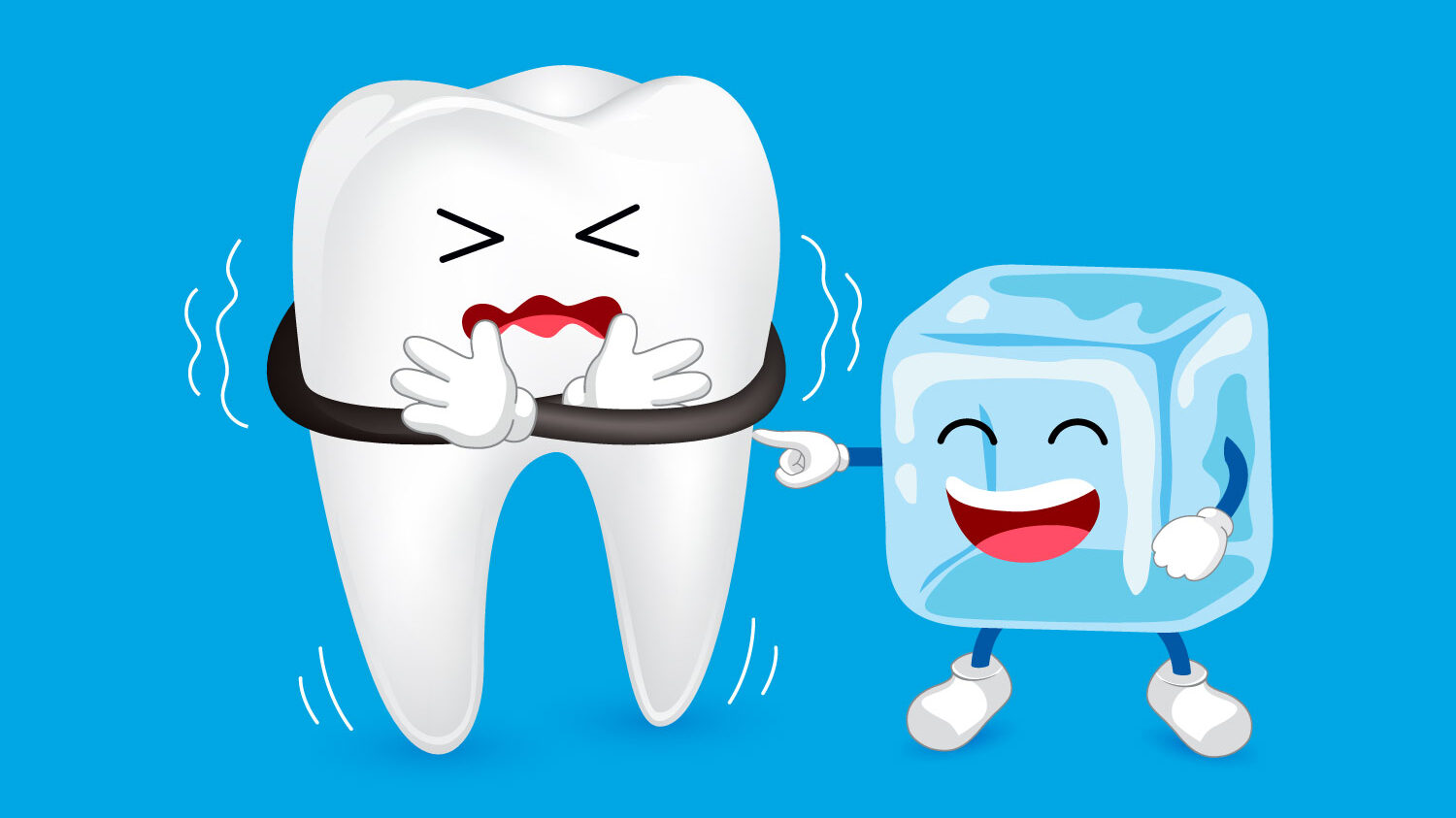
Why Are My Teeth Sensitive to Cold?
If biting into ice cream, sipping a cold drink, or even breathing in cool air causes a sharp or lingering discomfort, you are likely experiencing tooth sensitivity. This is a common dental concern and often signals that the protective structures of the teeth—particularly the enamel or gums—have been compromised. While sensitivity can be temporary in some cases, it may also indicate an underlying issue that requires professional attention.
Quick Summary
- Tooth sensitivity often occurs when enamel wears down or gums recede.
- Brushing too hard can damage enamel and expose sensitive dentin.
- Teeth grinding can cause enamel wear, cracks, and increased sensitivity.
- Gum disease may expose tooth roots due to gum recession.
- Whitening products can cause temporary sensitivity or irritation.
- Cavities expose inner tooth layers and may lead to pain and infection.
- A dentist can diagnose the cause and recommend appropriate treatment.
Understanding Tooth Sensitivity
Tooth enamel is the strong outer layer that protects your teeth from temperature changes, bacteria, and daily wear. Beneath the enamel is dentin, a more sensitive layer containing microscopic tubules that connect directly to the tooth’s nerve. When enamel becomes thin or damaged, or when gums recede and expose the root surfaces, these pathways allow hot, cold, sweet, or acidic stimuli to reach the nerve more easily—resulting in sensitivity or pain.
Several common factors can weaken enamel or expose dentin, leading to discomfort when consuming cold foods or drinks.
Brushing Too Hard
Good oral hygiene is essential, but excessive force when brushing can have negative effects. Using a hard-bristled toothbrush or scrubbing aggressively can gradually wear away enamel over time.
As enamel thins, the dentin underneath becomes exposed, increasing sensitivity. Overzealous brushing can also irritate and damage gum tissue, leading to gum recession. When the roots of the teeth become exposed, sensitivity often becomes more noticeable because these areas are not protected by enamel.
Teeth Grinding and Clenching
Teeth grinding (bruxism) is another major contributor to enamel wear. It often occurs during sleep but can also happen unconsciously during the day, especially during periods of stress.
Over time, grinding places excessive pressure on the teeth, gradually eroding enamel and creating tiny cracks in the tooth surface. These structural changes make it easier for temperature changes to reach the inner layers of the tooth, leading to increased sensitivity. If left untreated, bruxism can also contribute to fractures and jaw discomfort.
Gum Disease
Gum disease develops when plaque and bacteria irritate and infect the gums. Early signs include redness, swelling, and bleeding. As the condition progresses, the gums may begin to pull away from the teeth.
This recession exposes the tooth roots, which are more sensitive than enamel-covered surfaces. As a result, individuals with gum disease often experience heightened sensitivity, particularly to cold foods and beverages.
Whitening Products
Teeth whitening treatments can sometimes cause temporary sensitivity. This occurs because whitening agents penetrate the enamel to lift stains, which may temporarily irritate the tooth’s internal structure.
At-home whitening products, especially when overused or misapplied, can increase the risk of enamel damage and prolonged sensitivity. Professional whitening treatments are generally safer, as they are monitored and tailored to minimise discomfort while achieving effective results.
Cavities and Tooth Decay
A cavity forms when tooth decay permanently damages the enamel, creating a small hole in the tooth. As decay progresses, deeper layers of the tooth become exposed, increasing sensitivity and discomfort.
If untreated, cavities can worsen and allow bacteria to reach the tooth’s pulp, potentially leading to infection, severe pain, and the need for more complex dental procedures such as root canal therapy.
Managing and Treating Tooth Sensitivity
In many cases, mild tooth sensitivity can be improved by adjusting daily oral care habits. Using a toothpaste formulated for sensitive teeth, brushing gently with a soft-bristled toothbrush, maintaining good oral hygiene, and limiting acidic or sugary foods can all help reduce symptoms.
However, persistent or worsening sensitivity should not be ignored. It may indicate an underlying condition such as enamel erosion, gum disease, bruxism, or tooth decay. A dental examination can identify the cause and guide appropriate treatment to prevent further damage.
Protecting Your Teeth for Long-Term Comfort
Tooth sensitivity is often an early warning sign that your teeth or gums need attention. Whether caused by enamel wear, gum recession, grinding, whitening treatments, or cavities, early diagnosis and treatment can prevent more serious dental problems. Regular dental check-ups, combined with consistent and gentle oral care habits, are key to maintaining strong, healthy teeth and enjoying lasting relief from sensitivity.
Related Posts

Spring is the perfect time to reset your dental routine. Learn five practical oral health tips—from scheduling a checkup to protecting your teeth during outdoor activities—to keep your smile healthy this season.

National Nutrition Month highlights how everyday food and drink choices shape enamel strength, cavity risk, and gum health. Learn what to eat, what to limit, and simple habits that support a healthier smile.