In this post, learn what goes into dental implant pricing and which factors can change the final cost.
Which Tooth Replacement Is Right for Me?
Which Tooth Replacement Option Is Right for You?
Losing one or more teeth can affect much more than your appearance. Missing teeth can make it difficult to chew comfortably, speak clearly, and maintain proper oral health. Over time, tooth loss can also lead to shifting teeth and jawbone deterioration, making replacement an important step in protecting your long-term dental health.
Fortunately, modern dentistry offers several effective solutions for replacing missing teeth. Whether you are missing a single tooth, several teeth, or an entire arch, there are treatment options available to restore both function and confidence. Understanding the benefits of each option can help you determine which solution may be the best fit for your needs.
Quick Summary
- Replacing missing teeth helps restore your smile, bite, and oral health.
- Dental bridges are ideal for replacing one or several missing teeth.
- Dentures can replace multiple teeth or entire arches.
- Dental implants provide the most permanent and natural-feeling solution.
- The best option depends on factors such as oral health, budget, and the number of teeth being replaced.
- A dental consultation can help determine the most appropriate treatment plan.
Dental Bridges
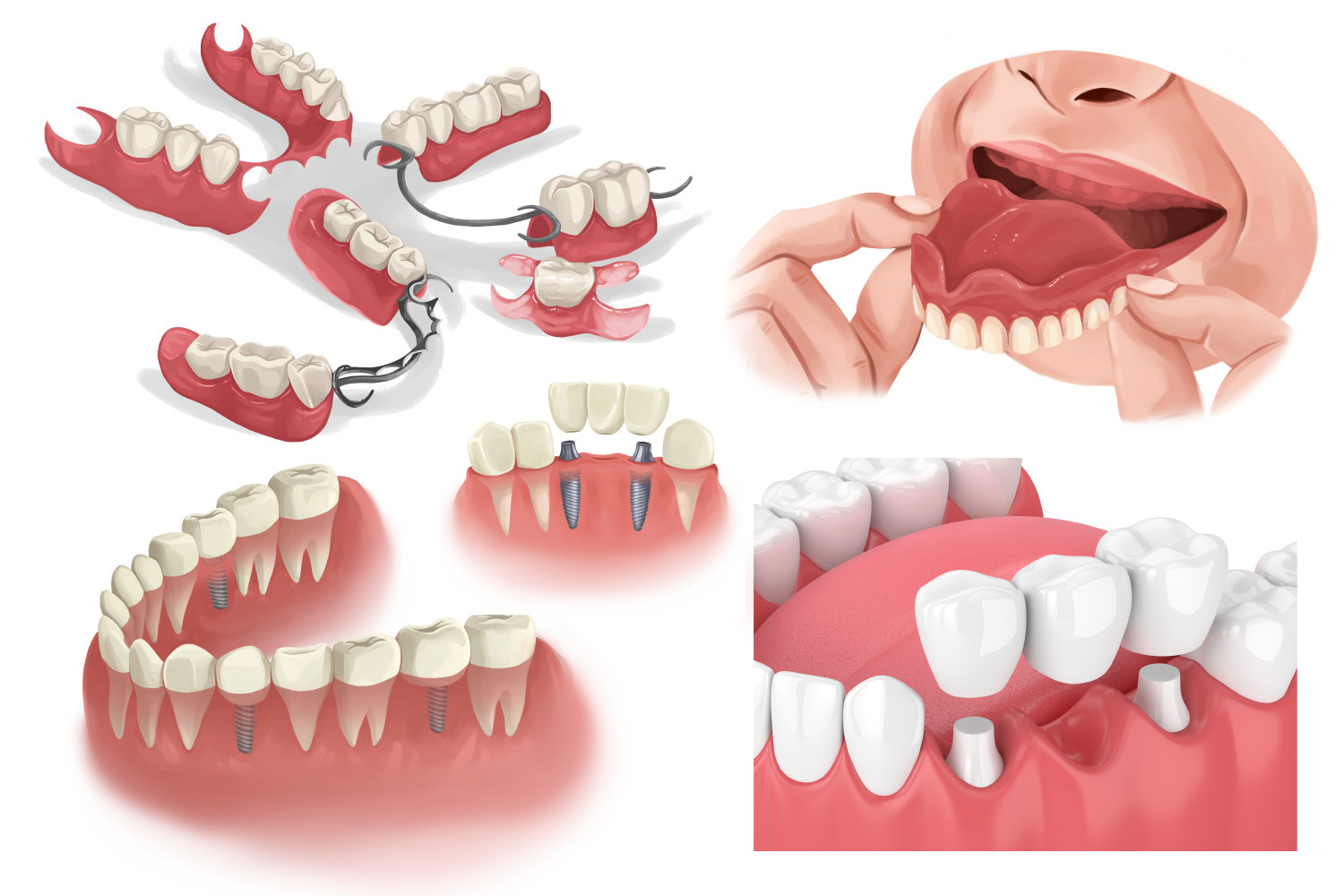
Dental bridges are a popular solution for patients who are missing one or several teeth in the same area of the mouth. A bridge literally “bridges” the gap left behind by missing teeth, restoring both appearance and function.
There are different types of dental bridges available, including removable and fixed options.
Removable Bridges
Removable bridges are designed to be taken out for cleaning and maintenance. They are typically supported by surrounding teeth and may use a metal framework or clasps to stay in place.
Fixed Bridges
Fixed bridges are the most commonly chosen option. They consist of one or more artificial teeth that are permanently secured using crowns placed on the neighboring natural teeth. Because they remain in place, fixed bridges offer greater stability and convenience than removable alternatives.
Bridges can be an excellent choice for patients who want a reliable solution without undergoing oral surgery.
Dentures
Dentures remain one of the most effective ways to replace multiple missing teeth or entire arches. Modern dentures are more comfortable and natural-looking than ever before, allowing patients to regain confidence in their smiles.
Partial Dentures
Partial dentures are designed for individuals who still have some healthy natural teeth remaining. These appliances fill in the gaps created by missing teeth and are typically secured with clasps that attach to neighboring teeth.
Full Dentures
Full dentures replace an entire upper arch, lower arch, or both. They rest on the gums and are generally held in place with suction and denture adhesive.
Implant-Supported Dentures
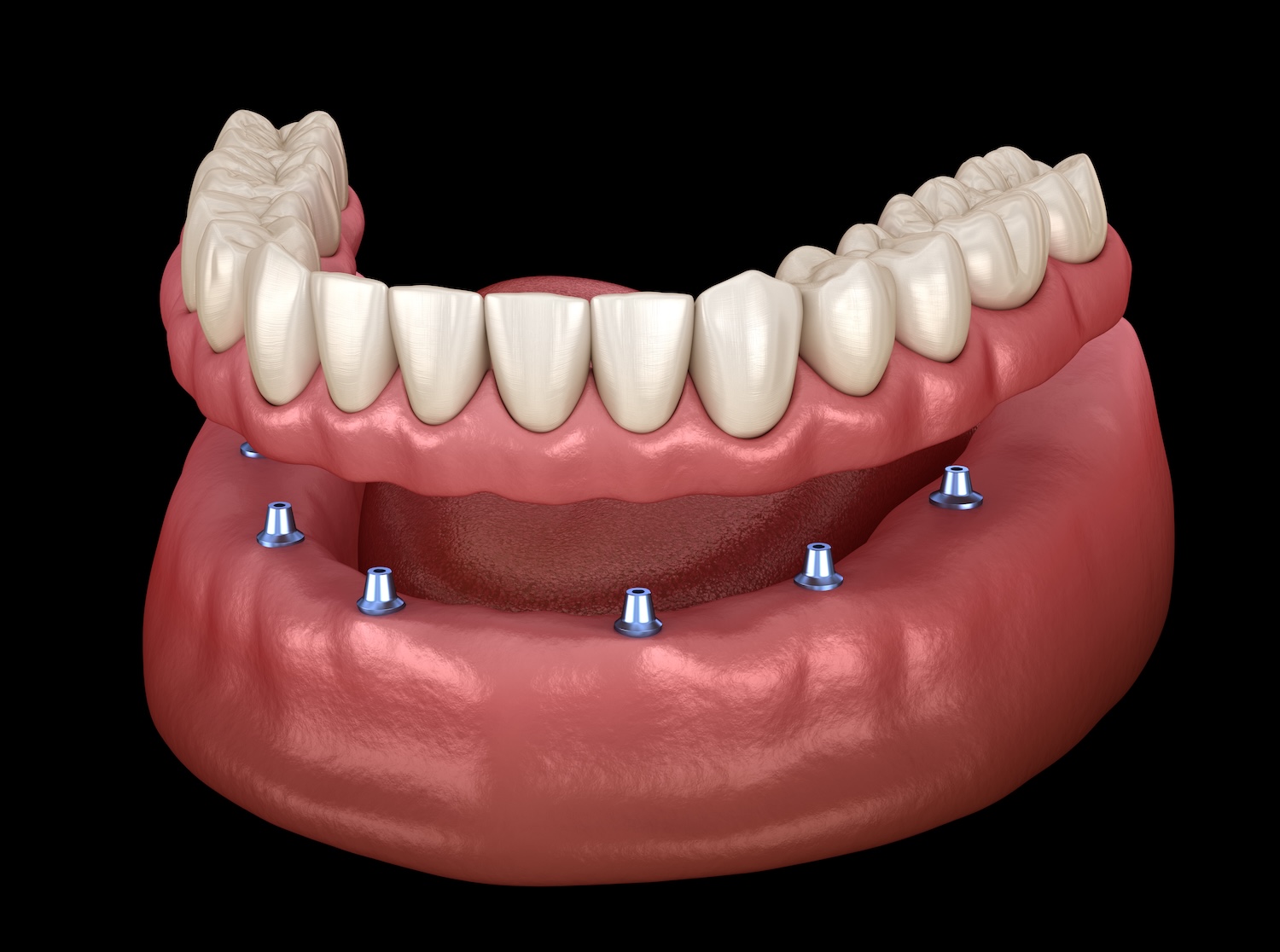
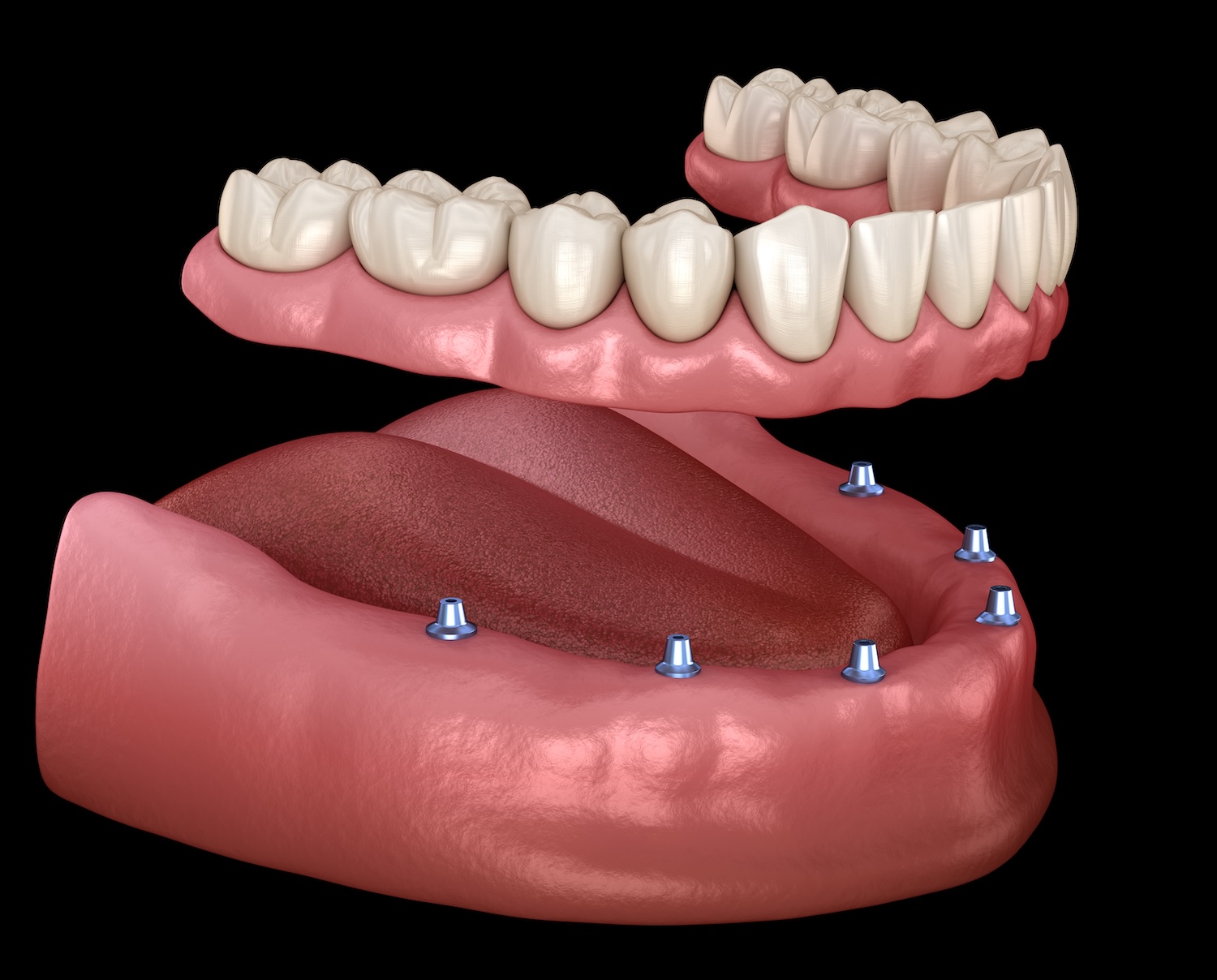
For patients seeking greater stability, implant-supported dentures offer a more secure alternative. These dentures attach to dental implants that have been placed in the jawbone, reducing movement and improving comfort while eating and speaking.
Dental Implants
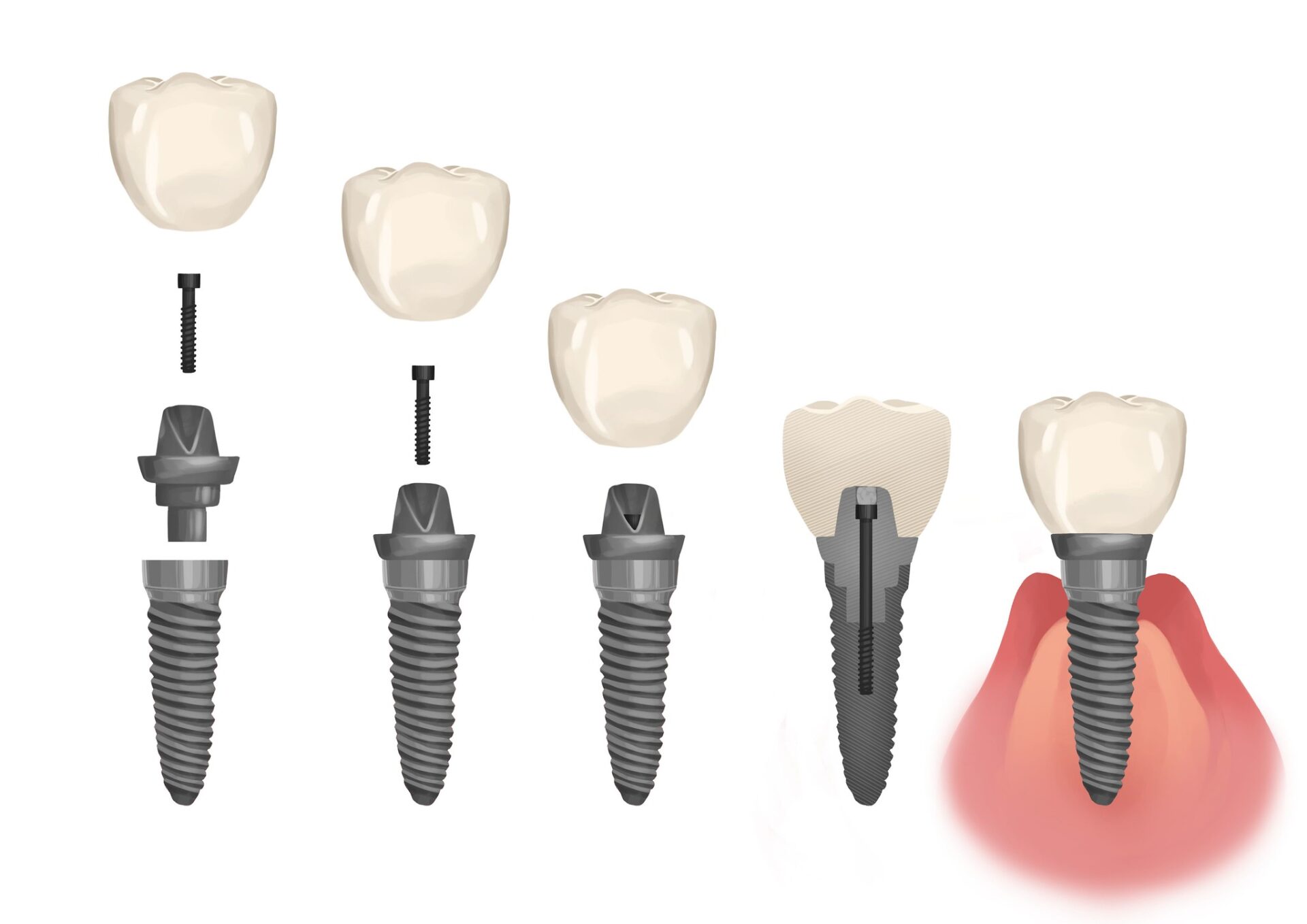
Dental implants are widely considered the gold standard in tooth replacement. Unlike bridges and traditional dentures, implants replace both the visible tooth and the underlying root structure.
The process involves placing a small titanium post into the jawbone, where it gradually fuses with the surrounding bone. Once healing is complete, a custom restoration such as a dental crown, bridge, or denture is attached to the implant.
Because implants integrate with the jawbone, they help prevent bone loss and provide exceptional stability. They also look, feel, and function much like natural teeth. While implants typically require a larger investment than other tooth replacement options, their durability and long-term benefits make them an attractive solution for many patients.
Choosing the Best Tooth Replacement Solution
There is no one-size-fits-all answer when it comes to replacing missing teeth. The right treatment depends on several factors, including the number of teeth being replaced, the condition of your gums and jawbone, your lifestyle, and your budget.
A comprehensive dental evaluation can help determine which option best meets your needs and goals. Whether you are considering a bridge, dentures, or dental implants, replacing missing teeth can improve your oral health, restore your ability to eat and speak comfortably, and help you smile with confidence again.
Related Posts