Summer offers a welcome break from rigid schedules—but with that freedom, daily routines can shift…
Children’s Teeth: Common Problems and How to Prevent Them

Parents often have a lot of questions when it comes to their child’s dental health. When should kids start brushing on their own? Are cavities just part of growing up? At what point do teeth need braces, and how would you even know?
The challenge is that many dental issues in children don’t cause pain right away. Problems can develop quietly, which makes them easy to miss until they’re more involved. Knowing what to watch for and how to support healthy habits at home can make a big difference over time.
Cavities Are Common, but There Are Ways to Lower the Risk
Cavities are one of the most common dental issues in children. They often develop when brushing is uneven, sugary snacks or drinks are frequent, or certain areas of the mouth are harder to clean, especially the back teeth.
Brushing twice a day with fluoride toothpaste plays an important role in prevention. Many families find that electric toothbrushes or spin brushes are helpful, particularly for younger children, because they make it easier to clean evenly and reach tricky spots. They’re not required, but they can be a useful tool when brushing feels challenging.
Routine checkups are a great time to get personalized oral hygiene advice, look for early signs of decay, and place dental sealants and fluoride treatments.
Brushing Help Lasts Longer Than Many Parents Expect
It’s very common for children to want independence with brushing early on. It’s also common for kids to push back on brushing, especially when they’re tired, distracted, or ready to move on to the next activity. Even so, consistency matters.
Most children still need hands-on help with brushing until around age six or seven. After that, parents should continue checking their child’s brushing to make sure all areas are being cleaned thoroughly, particularly along the gumline and on back teeth. Missed areas can quickly lead to plaque buildup, even when brushing happens every day.
Orthodontic Concerns and Growing Smiles
As permanent teeth begin to come in, crowding, spacing, and bite concerns may become more noticeable. Some children will eventually need braces, while others may only need monitoring as their smile develops. A common question parents ask is when to start paying attention, and that often begins once adult teeth start replacing baby teeth.
Certain habits can also influence how teeth and jaws grow. Thumb sucking or prolonged pacifier use, especially past the early years, can affect how the upper and lower teeth meet, contribute to an open bite, or change the shape of the palate. These changes don’t happen overnight, and they don’t automatically mean a child will need braces, but they’re worth keeping an eye on.
During routine dental visits, we can help evaluate how teeth are coming in and talk through whether orthodontic treatment may be helpful in the future. Some kids and teens are good candidates for Invisalign, while others may benefit from seeing an orthodontist for traditional braces.
Dental Injuries and Front Teeth
Active kids are more likely to experience dental injuries, particularly to the front teeth. Falls, sports, and playground accidents can all lead to chipped, cracked, or displaced teeth.
If a tooth is injured, even if it doesn’t seem severe at first, it’s a good idea to have it checked. Early evaluation can help prevent complications and ensure the tooth heals properly.
Children’s Preventive Dental Care at CarolinasDentist in North Carolina
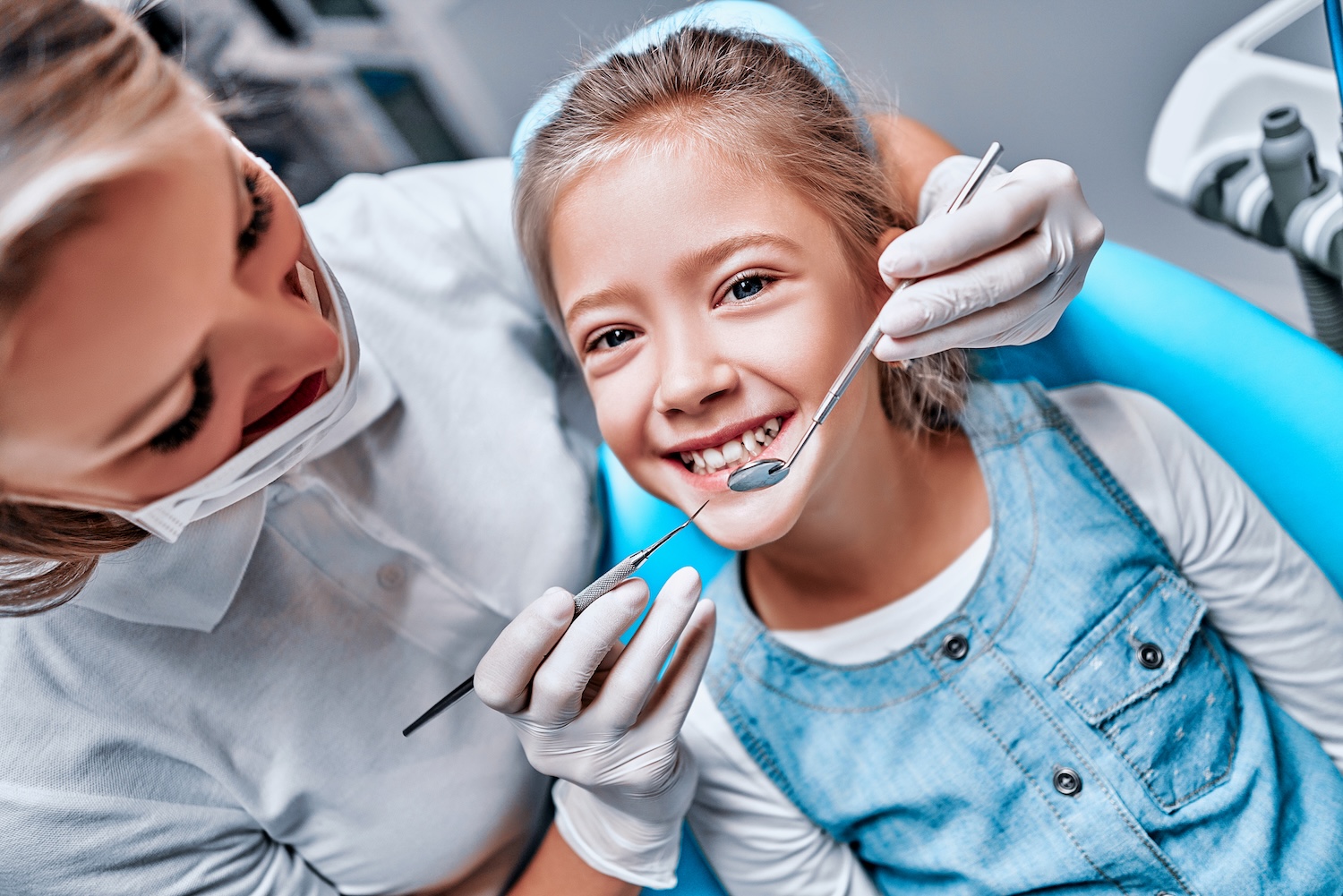
At CarolinasDentist, with locations across North Carolina, children’s dental care focuses on prevention, education, and practical guidance for families. Regular checkups allow us to monitor changes over time, address concerns early, and help parents support healthy routines at home.
If your child hasn’t been in recently, scheduling a visit is a simple way to stay ahead of common dental problems and keep their smile on track as they grow.
Related Posts