
In this post, we discuss the best foods to eat after wisdom teeth removal and provide recovery tips from CarolinasDentist.
Post-Op Care After Wisdom Teeth Removal
- CarolinasDentist
- Wisdom Teeth
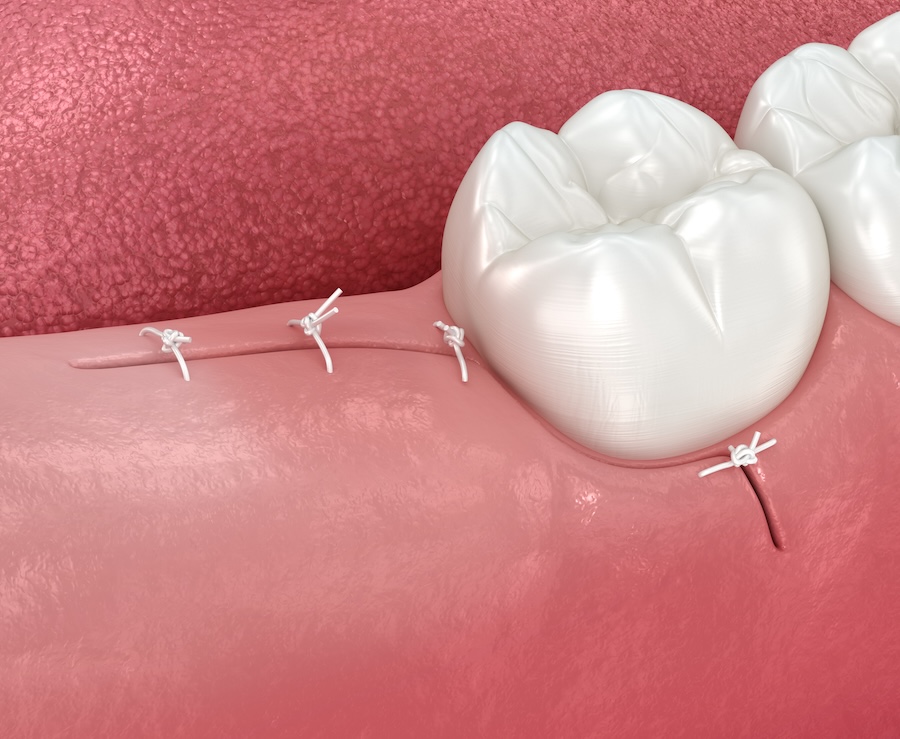
Wisdom tooth removal is a routine dental procedure that helps prevent or address issues such as overcrowding, impaction, infection, and discomfort. While the procedure itself is common, proper aftercare plays a crucial role in ensuring a smooth recovery. Most patients experience some swelling, tenderness, and mild discomfort following the extraction, but following your dentist’s instructions can help minimize complications and promote faster healing. Here are five important tips to support your recovery after wisdom tooth removal.
Quick Summary
- Mild pain and swelling are normal after wisdom tooth extraction.
- Ice packs and prescribed medications can help manage discomfort.
- Good oral hygiene helps reduce the risk of infection.
- Soft foods are recommended during the first few days of recovery.
- Avoid straws to help prevent dry socket.
- Rest and limited physical activity support healing.
- Contact your dentist if you experience unusual symptoms or complications.
Manage Pain and Swelling
It is normal to experience some discomfort and swelling after wisdom tooth removal. These symptoms are usually most noticeable during the first 24 to 48 hours and gradually improve as the extraction site heals.
Your dentist may recommend over-the-counter pain relievers or prescribe medication to help manage discomfort. Applying an ice pack to the outside of your face in 20-minute intervals during the first day can also help reduce swelling and provide relief. Keeping your head elevated while resting may further help control swelling and improve comfort during recovery.
Although some soreness is expected, pain should gradually decrease over time rather than worsen.
Maintain Good Oral Hygiene
Keeping your mouth clean after surgery is important for preventing infection and supporting the healing process. While you should avoid disturbing the extraction site, maintaining oral hygiene remains essential.
Many dentists recommend gently rinsing with warm saltwater several times a day, particularly after eating. A simple solution of one teaspoon of salt mixed into a cup of warm water can help cleanse the area and reduce bacteria in the mouth.
Be careful not to rinse too vigorously, as excessive force can dislodge the blood clot that forms in the extraction site. This blood clot is a vital part of healing and helps protect the underlying bone and tissue.
Choose Soft Foods During Recovery
Your diet can have a significant impact on your comfort level and recovery. During the first few days after surgery, stick to soft foods that require little chewing and are gentle on the extraction sites.
Good options include:
- Yogurt
- Applesauce
- Mashed potatoes
- Smooth soups
- Pudding
- Oatmeal
- Scrambled eggs
As healing progresses and discomfort decreases, you can slowly reintroduce more solid foods into your diet.
It is also important to avoid hard, crunchy, spicy, or extremely hot foods that may irritate the surgical area.
Avoid Drinking Through a Straw
Using a straw may seem harmless, but the suction created while drinking can dislodge the protective blood clot. This can lead to a painful condition called dry socket, which delays healing and often requires additional treatment. For this reason, it is best to avoid straws until your dentist confirms it is safe to use them again.
Get Plenty of Rest
Your body needs time to recover after any surgical procedure. Resting during the first few days following wisdom tooth extraction allows your body to focus on healing and can reduce the risk of complications.
Avoid strenuous exercise, heavy lifting, and intense physical activity for several days after surgery. Increased activity may contribute to bleeding, swelling, and discomfort around the extraction site.
Listening to your body’s signals and giving yourself adequate recovery time can help promote a smoother healing process.
Watch for Signs of Complications
While most wisdom tooth extractions heal without issues, it is important to be aware of potential warning signs that may indicate a problem.
Contact your dentist if you experience:
- Severe or worsening pain
- Excessive swelling
- Persistent bleeding
- Fever or chills
- Unpleasant taste or odor in the mouth
- Difficulty swallowing or breathing
Early treatment of complications can help prevent more serious concerns and support a successful recovery.
Supporting a Smooth Healing Process
Recovery after wisdom tooth removal varies from person to person, but most patients heal successfully with proper aftercare. By managing pain and swelling, maintaining good oral hygiene, following a soft-food diet, getting adequate rest, and monitoring for signs of complications, you can help ensure a comfortable recovery and reduce the risk of setbacks. If you have any questions about your healing process or concerns about your symptoms, contact your dental team for personalized guidance and support.
Related Posts
In this post, we explain why summer is the perfect time for wisdom tooth removal and how to maximize your recovery time.

In our blog post, we talk about the benefits of having your teen's problematic wisdom teeth removed before they start college.