
In this post, we explore how oral health and heart health are connected and why healthy gums support overall wellness.
Signs You Need a Deep Dental Cleaning
- CarolinasDentist
- Gum Health
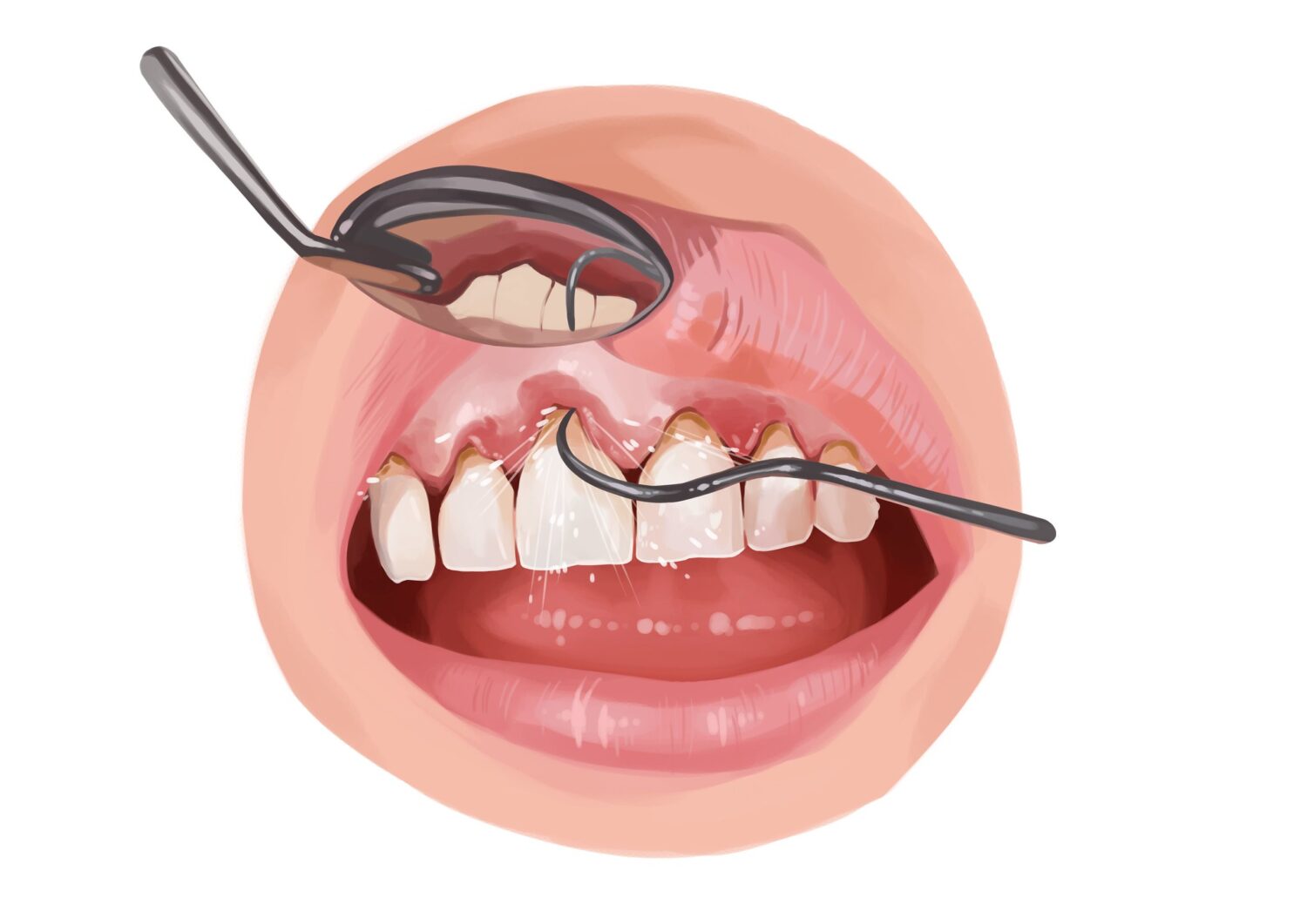
Do You Need a Deep Dental Cleaning?
Many people associate routine dental visits with clean teeth and cavity prevention, but regular dental care plays an equally important role in protecting your gums. Healthy gums are the foundation of a healthy smile, and when gum disease develops, more advanced treatment may be needed to restore oral health. One of the most effective treatments for periodontal disease is a deep cleaning, also known as scaling and root planing.
Understanding the difference between a routine dental cleaning and a deep cleaning can help you recognize when additional care may be necessary to protect your teeth and gums.
Quick Summary
- Routine cleanings help maintain healthy teeth and gums.
- Deep cleanings are used to treat gum disease below the gumline.
- Periodontal disease can be caused by several factors, including plaque buildup and tobacco use.
- Common symptoms include bleeding gums, bad breath, and gum recession.
- Early treatment can help prevent tooth loss and other oral health complications.
- A dental examination can determine whether a deep cleaning is necessary.
Routine Cleanings vs. Deep Cleanings
Routine dental cleanings are designed to remove plaque, tartar, and surface stains from the visible areas of your teeth. These preventive appointments help reduce the risk of cavities and gum disease while keeping your smile looking and feeling its best.
However, when gum disease develops, a routine cleaning may not be enough to address the problem. Bacteria and tartar can accumulate beneath the gumline, creating pockets where infection can thrive. In these situations, a deep cleaning may be recommended.
A deep cleaning involves two important steps:
Scaling
During scaling, plaque and hardened tartar are carefully removed from both above and below the gumline. This helps eliminate the bacteria responsible for inflammation and infection.
Root Planing
After scaling, the tooth roots are smoothed to help the gums heal and reattach more securely to the teeth. This process also makes it more difficult for bacteria to accumulate in the future.
Deep cleanings are often an effective way to manage gum disease and prevent it from progressing into a more serious condition.
What Causes Gum Disease?
Periodontal disease, commonly known as gum disease, develops when plaque and bacteria build up around the teeth and gums. Without proper removal, this buildup can irritate the gum tissue and trigger inflammation.
While poor oral hygiene is one of the most common causes, several other factors can increase the risk of developing gum disease, including:
- Smoking or using tobacco products
- Certain medications that affect saliva production
- Hormonal changes during pregnancy
- Diabetes and other systemic health conditions
- A family history of gum disease
- Chronic stress and poor nutrition
Because multiple factors can contribute to periodontal disease, even individuals who brush and floss regularly may still develop gum-related issues.
Signs You May Need a Deep Cleaning
Gum disease often develops gradually, and symptoms may be easy to overlook in the early stages. If left untreated, however, it can lead to gum recession, bone loss, and even tooth loss.
Common signs that may indicate the need for a deep cleaning include:
- Persistent bad breath
- Red, swollen, or tender gums
- Gums that bleed when brushing or flossing
- Receding gums
- Sensitive or loose teeth
- Pain when chewing
- Changes in the way your teeth fit together
If you notice any of these symptoms, it is important to schedule a dental evaluation as soon as possible.
Protect Your Oral Health with Early Treatment
The earlier gum disease is detected, the easier it is to treat. Patients with mild gum inflammation, known as gingivitis, may only require a professional cleaning and improvements to their daily oral hygiene routine. More advanced cases often benefit from deep cleaning treatment to remove harmful bacteria and restore gum health.
Regular dental visits remain one of the best ways to protect your teeth and gums. If you have noticed changes in your oral health or are experiencing symptoms of gum disease, a dental professional can evaluate your condition and recommend the most appropriate treatment to help keep your smile healthy for years to come.
Deep cleaning image from Authority Dental under CC 2.0
Related Posts


In this post, explore what dry mouth may signal about your health and learn how dental care can help you stay comfortable and protected.

In this post, learn what causes a gummy smile and how different treatment options can help you smile with more confidence.