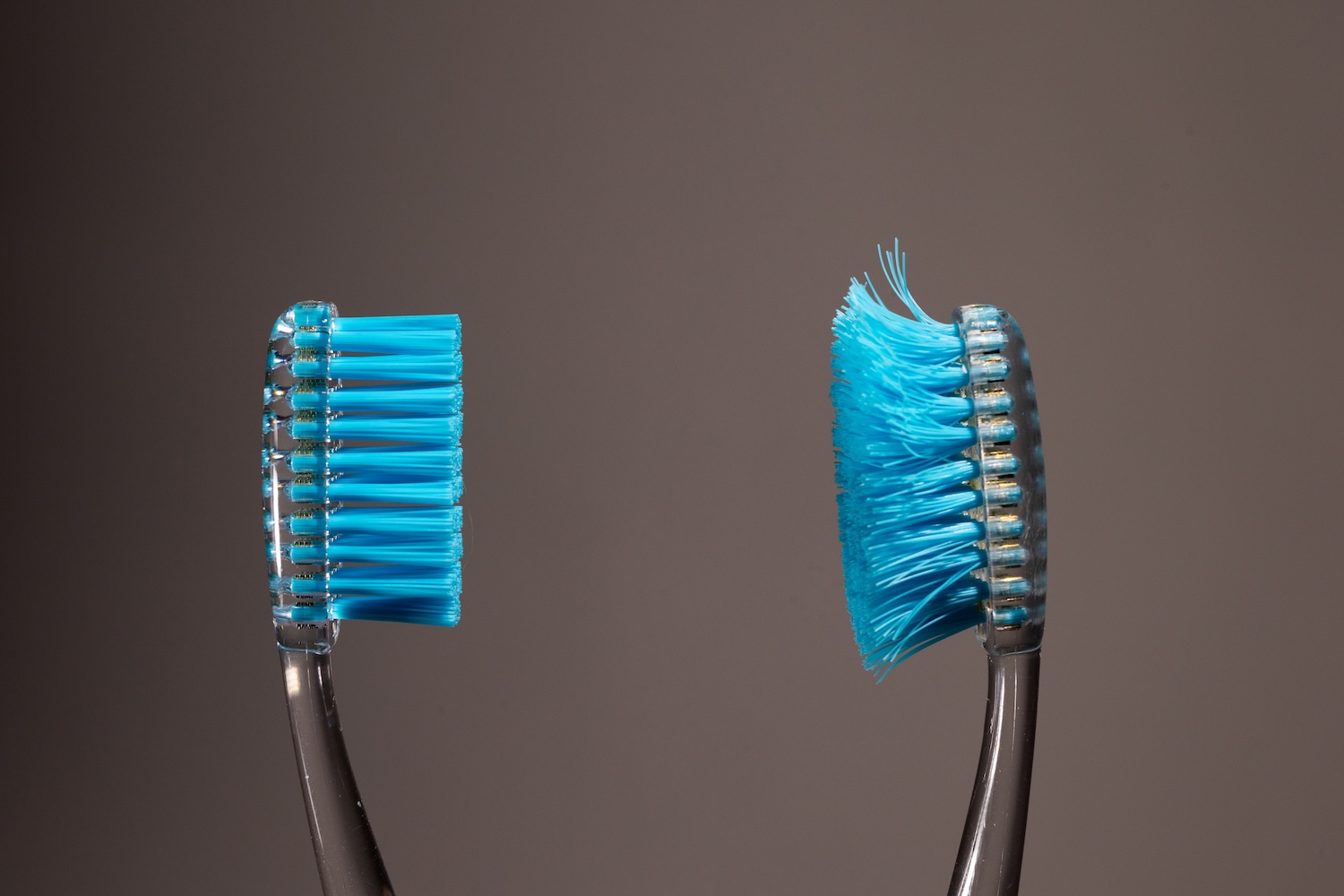
Spring is the perfect time to reset your dental routine. Learn five practical oral health tips—from scheduling a checkup to protecting your teeth during outdoor activities—to keep your smile healthy this season.
National Wellness Month: The Connection Between Oral Health and Overall Health

Wellness tends to bring a familiar list to mind: eating well, getting enough sleep, moving your body, managing stress, and keeping up with medical checkups. Your mouth deserves a place on that list too. After all, you use your teeth and gums every day to eat, speak, smile, and get through plenty of small moments without thinking twice about them.
August is National Wellness Month, which makes it a good time to look at dental care through a wider lens. Brushing, flossing, and keeping up with dental visits obviously help protect your teeth and gums. However, oral health is also closely connected with several parts of overall health, including blood sugar management, pregnancy, nutrition, and the way inflammation affects the body.
At CarolinasDentist, our teams across 16 North Carolina locations see those connections every day. A dental visit may begin with a cavity, bleeding gums, dry mouth, or a sore tooth, but the conversation often includes medications, medical conditions, pregnancy, diet, or changes in general health. Your mouth, after all, did not arrive at the appointment separately from the rest of you.
Your Mouth Is Part of Your Overall Health
The mouth contains teeth, gums, bone, saliva, nerves, blood vessels, and many types of bacteria. Most of those bacteria cause no trouble when oral hygiene and saliva keep things balanced. However, plaque can build up along the gumline, and some bacteria can contribute to tooth decay or gum inflammation.
Gingivitis is the early stage of gum disease and may cause gums to look red, swollen, or bleed during brushing and flossing. If inflammation progresses into periodontitis, the infection begins affecting the tissues and bone that support the teeth. Without treatment, that damage can eventually contribute to loose teeth and tooth loss.
Because the gums contain blood vessels and living tissue, changes in oral health do not happen in complete isolation. Researchers continue to study the relationships between periodontal disease and several systemic conditions. Those relationships can be complex, so one condition does not automatically mean it caused another.
For day-to-day care, the practical approach is straightforward. Keep your mouth as healthy as possible, and let your dental team know about changes in your medical health, medications, or symptoms. Those details can influence the way we plan treatment and monitor your oral health over time.
Gum Health Deserves More Attention Than It Gets
Gums are easy to overlook when the teeth themselves look fine. Yet healthy gums provide the foundation that keeps those teeth supported. When the gums become inflamed, the changes can begin quietly and progress before anything feels especially urgent.
Bleeding during brushing is one of the more common signs that the gums are inflamed. Other changes can include redness, tenderness, persistent bad breath, gum recession, or swelling around individual teeth. As gum disease advances, pockets may deepen around the teeth and supporting bone may begin to deteriorate.
Many people are surprised to learn that gum disease does not always hurt. A toothache has a way of making itself known rather dramatically, while periodontal disease can progress with much less fanfare. That is one reason regular periodontal measurements and dental exams are so useful.
At CarolinasDentist, our teams can check the gums for inflammation, measure the spaces around the teeth, and review X-rays when bone levels need a closer look. When gum disease is present, treatment may range from improved home care and routine cleaning to deeper periodontal treatment. The approach depends on how far the condition has progressed and what the surrounding tissues need.
Diabetes and Oral Health Have a Two-Way Relationship
Diabetes is one of the clearest examples of why oral and overall health belong in the same conversation. People with diabetes have a higher risk of gum disease, and high blood sugar can make infections more difficult for the body to fight. Diabetes can also contribute to dry mouth, which can raise the risk of cavities and other oral problems.
At the same time, severe gum disease can make blood sugar harder to manage. Treating periodontal inflammation may help improve blood sugar control in some people with diabetes. Because of that relationship, keeping both medical and dental teams informed can be especially helpful.
If you have diabetes, tell us and keep your medication list current. It is also helpful to mention any recent changes in blood sugar control, because those changes may affect healing, gum health, and how quickly infections develop. If your physician has recently adjusted your medications, include that information as well.
Meanwhile, daily care still carries plenty of weight. Brushing twice a day with fluoride toothpaste, cleaning between the teeth, managing blood glucose as directed by your medical provider, and keeping regular dental appointments all support oral health. Consistency matters more than chasing a perfect routine.
Dry Mouth Can Affect More Than Comfort
A dry mouth may seem like a small annoyance, but saliva does a surprising amount of work. It helps wash food particles away, keeps oral tissues comfortable, and protects teeth against decay. It also helps neutralize acids and return minerals to the enamel.
When saliva flow drops, cavities can develop more easily. Dry tissues may also become sore, and some people notice difficulty swallowing, speaking, or wearing dentures comfortably. Diabetes can contribute to dry mouth, and many commonly used medications can reduce saliva as well.
If your mouth feels dry throughout the day or you regularly wake up needing water, mention it during your dental visit. Depending on the cause, we may recommend additional fluoride, changes in hydration habits, saliva-supporting products, or a conversation with your physician about medication side effects. Persistent dryness is worth checking, especially when it begins suddenly.
Sugar-free gum or lozenges may also help stimulate saliva for some people. However, dry mouth that continues for weeks or months should not be brushed aside as a minor inconvenience. If new cavities start appearing, that can be another clue that saliva flow has changed.
Pregnancy Can Change What Happens in the Mouth
Pregnancy brings hormonal changes throughout the body, and the gums often notice. Pregnant patients are more prone to gingivitis, which may cause redness, swelling, tenderness, or bleeding. Those changes can appear even if your brushing and flossing routine has not changed much.
Changes in eating habits, nausea, and vomiting can also affect the teeth. Frequent snacking may increase cavity risk, while stomach acid from vomiting can temporarily soften enamel. During this time, gentle brushing, fluoride toothpaste, regular cleaning between the teeth, and dental visits can help protect your oral health.
If you are pregnant, let us know when you schedule and update us on any medications or recommendations from your obstetric provider. Dental treatment can then be planned with those details in mind. Routine and necessary dental care can generally continue during pregnancy.
If nausea or vomiting is frequent, rinsing with water afterward can help clear acid from the mouth. Waiting a little before brushing can also help protect temporarily softened enamel. Small adjustments like these can make a real difference over several months.
Your Teeth Affect What You Can Eat
Healthy teeth do a lot more than improve a photograph. They let you bite, chew, and comfortably enjoy a wide range of foods. When that changes, your diet may start changing right along with it.
When teeth are painful, loose, badly worn, or missing, people often begin adjusting meals without consciously planning to. Crunchy vegetables may disappear first, followed by nuts, meats, apples, or other foods that require stronger chewing. Over time, those changes can narrow the range of foods you enjoy comfortably.
If chewing has become uncomfortable, or you have quietly started favoring one side of your mouth, mention it during your visit. That change can point to a cracked tooth, worn dental work, gum problems, or another issue that needs a closer look. Sometimes the first sign is not sharp pain at all, but simply realizing you have been avoiding certain foods.
Restorative dentistry can often improve function when damaged or missing teeth are interfering with meals. Depending on the situation, treatment may include fillings, crowns, bridges, dentures, implants, root canal therapy, or gum treatment. Once chewing becomes comfortable again, meals tend to become a lot less strategic.
Oral Pain Can Wear on Daily Life
A toothache rarely stays neatly confined to one tooth. It can interfere with sleep, concentration, eating, work, and the general ability to enjoy the day. Even mild pain becomes tiring when it keeps showing up at breakfast, during meetings, or just as you are trying to fall asleep.
Persistent dental discomfort may come from decay, a cracked tooth, an infection, gum problems, or an old restoration that is beginning to fail. Jaw pain can also develop from grinding, clenching, or problems involving the temporomandibular joints. Because several conditions can feel similar, the source is not always obvious at home.
During an exam, X-rays, bite testing, periodontal measurements, and a clinical evaluation can help narrow down where the problem is coming from. Once we know the cause, treatment can be matched to the actual issue. That is much more useful than trying to guess based on pain alone.
If discomfort is keeping you awake, making it difficult to eat, or steadily getting worse, give us a call. Dental problems have poor timing, but they usually become easier to handle once we can examine the area. Early treatment may also prevent a smaller problem from becoming more involved.
Stress Can Show Up in Your Smile
Stress is usually discussed in terms of sleep, mood, or muscle tension. However, some people also clench or grind their teeth more during stressful periods. That extra pressure can add up surprisingly quickly.
Over time, grinding can wear down enamel, chip teeth, strain jaw muscles, and contribute to morning headaches or facial soreness. Some people grind mainly while sleeping and do not realize it is happening until a partner hears it or the dentist notices wear patterns. Others notice that their jaw feels tired after a difficult week.
If we see flattened biting surfaces, small fractures, or other signs of grinding, we may ask about jaw tension and sleep habits. Depending on the situation, a custom nightguard may help protect the teeth from additional wear. It can also reduce some of the pressure placed on restorations.
Stress itself has many causes, of course, and a nightguard does not solve those. However, it can give the teeth a little protection while everything else is being managed. Sometimes protecting what stress is wearing on is part of the larger wellness picture too.
Medications Can Change Your Oral Health
Your medication list is important at a dental appointment because many drugs can affect the mouth. Some contribute to dryness, while others can influence bleeding, healing, or the condition of the gums. These changes may develop gradually and may not seem connected to a prescription at first.
That is why we ask you to update your medications regularly, including over-the-counter products and supplements. If a physician recently changed a prescription, let us know even if the medication does not seem related to dentistry. A small change in dosage can sometimes explain a new oral symptom.
Never stop a prescribed medication because of an oral side effect without talking with the healthcare professional who prescribed it. Instead, tell both your medical and dental teams what you are noticing. Often, the oral side effect can be managed without interfering with necessary medical treatment.
Dryness, unusual gum changes, sores, or changes in taste are all worth mentioning. A detail on your medication list can sometimes explain a change that otherwise seems to have appeared out of nowhere. That information can also help us adjust preventive care when needed.
Inflammation Connects Oral Health With Broader Health Research
Periodontitis is a chronic inflammatory disease, which is one reason researchers have studied its relationship with cardiovascular disease and other systemic conditions. Studies have found associations between periodontal disease and cardiovascular disease, although researchers are still working to understand how much of that relationship is causal. Shared risk factors may also play an important role.
Smoking, diabetes, age, diet, access to healthcare, and other health factors can affect both oral and general health. Because of that, an association between two conditions does not automatically mean that one directly caused the other. The relationship is more complicated than a simple one-to-one link.
Researchers continue to study the connection between gum disease and cardiovascular health. While that relationship is complex, keeping gum inflammation under control is still a sensible part of caring for your overall health. If you have a heart condition or take cardiovascular medication, let us know so we can plan your dental care with that information in mind.
If you have been advised to take medication before certain dental procedures, mention that when you schedule. We may also coordinate with your physician when additional information is needed. Having the complete medical picture helps us plan care more safely.
Smoking and Tobacco Can Affect the Mouth Quickly
Tobacco use has a well-established effect on oral health. Smoking increases the risk and severity of gum disease and can make gum problems more difficult to manage. It can also affect the way oral tissues heal after treatment.
Smoking may contribute to dry mouth, staining, bad breath, and changes in the gums. In addition, tobacco use is an important risk factor considered during oral cancer screenings. Because smoking can sometimes reduce obvious gum bleeding, periodontal disease may also appear quieter than expected.
If you currently smoke or use other tobacco products, tell us. The information helps us assess your gums, oral tissues, and healing risk accurately. It may also influence how frequently we recommend periodontal monitoring.
If you are working toward quitting, that is worth mentioning too. Your dental team can support that effort and continue watching for changes in your oral health. Even gradual progress away from tobacco can benefit the mouth over time.
Dental Exams Can Catch Changes You May Not Notice
A mirror is useful for checking your smile, but it cannot show everything happening in your mouth. Cavities can develop between teeth, gum disease can affect bone below the surface, and cracks may be difficult to see without magnification or X-rays. Some changes simply hide well.
During a routine visit, we check the teeth, gums, existing restorations, bite, and other oral tissues. X-rays may be recommended based on your age, dental history, symptoms, and cavity risk. These images can show areas that are not visible during a visual exam.
Regular appointments also create a useful record over time. If a gum pocket gets deeper, a filling begins to break down, or a tooth changes from one visit to the next, previous findings give us something to compare. That history can help us catch changes earlier.
Meanwhile, you bring information we cannot see on an X-ray. New sensitivity, dry mouth, headaches, changes in medications, or trouble chewing can all shape what we look at during the exam. Mentioning even small changes can help us connect the dots.
Daily Habits Still Do Most of the Heavy Lifting
Wellness does not have to involve a complicated morning routine or a cabinet full of products. For oral health, a handful of consistent habits go a long way. Simple usually wins when it is something you can actually keep doing.
Brush twice a day with fluoride toothpaste and clean between your teeth regularly. Try to limit frequent sugary drinks and snacks, especially when they are spread throughout the day. Water between meals also gives your mouth a break from repeated sugar and acid exposure.
A balanced diet supports both oral and overall health. Foods that require chewing can stimulate saliva, while adequate protein, vitamins, and minerals support tissues throughout the body. If chewing certain foods has become difficult, mention that during your dental visit.
Then, keep up with dental visits at the interval your dentist recommends. Some people do well with a standard preventive schedule, while others need more frequent visits because of gum disease, frequent cavities, dry mouth, or other risk factors. Your schedule should reflect what is happening in your mouth, not simply what works for someone else.
Pay Attention When Something Changes
Not every dental change needs an emergency appointment, but persistent changes deserve attention. Bleeding gums, ongoing bad breath, new sensitivity, a loose tooth, swelling, or pain when chewing can all signal a problem. A change that keeps returning is worth mentioning even if it is mild.
Dry mouth that suddenly becomes frequent should also be brought up, particularly after a medication change. Likewise, a sore or unusual area in the mouth that does not heal should be checked. Changes in chewing or jaw comfort are useful clues as well.
Sometimes the explanation is simple. A rough filling may need smoothing, or a sensitive area may come from gum recession. Other times, an exam finds a cavity, infection, crack, or gum problem that needs treatment.
If you are unsure whether something is worth mentioning, tell us anyway. Dental symptoms do not always arrive with a clear label attached. A detail that seems small at home may help us identify the cause more quickly.
Wellness Looks Different at Different Stages of Life
Oral health needs change over time. Children may need help preventing cavities as permanent teeth come in, while teenagers may be managing orthodontic treatment or sports-related risks. Adults often begin dealing with older fillings, gum changes, grinding, or missing teeth.
Older adults may face dry mouth, root cavities, tooth wear, medication-related changes, or difficulty keeping dentures comfortable. Meanwhile, changes in dexterity or mobility can make brushing and flossing more difficult. Small adjustments to home care can become especially useful at that stage.
Pregnancy, diabetes, cancer treatment, changes in mobility, and other health events can also change the way dental care is planned. Keeping us updated helps us adjust recommendations as those needs shift. Your dental routine at 25 may not be the same one that serves you best at 55.
At CarolinasDentist, we care for patients at many different stages of life across North Carolina. Whether you need routine preventive care or help with more complex dental concerns, we can adapt the plan as your health changes. That flexibility becomes especially useful over the years.
Make Oral Health Part of National Wellness Month at CarolinasDentist
National Wellness Month is a good reminder that taking care of yourself includes the parts of the body you use to smile, speak, eat, and laugh every day. Healthy teeth and gums support comfortable eating, reduce the risk of dental pain and infection, and can be especially important when conditions such as diabetes or pregnancy affect the mouth. Regular dental care also gives us a chance to notice changes before they become larger problems.
At CarolinasDentist, our teams across 16 North Carolina locations can help with preventive care, gum health, restorative treatment, dry mouth, tooth sensitivity, and many other concerns that can show up alongside changes in overall health. We also encourage you to keep us updated about medications, medical conditions, pregnancy, or anything else that may affect your care. Those details help us provide dental treatment that fits the rest of your health.
If it has been a while since your last dental visit, National Wellness Month is a pretty good excuse to put one back on the calendar. Schedule an appointment with CarolinasDentist at one of our North Carolina locations, and let us help you keep your teeth and gums feeling healthy and comfortable. Your wellness routine already has plenty on it, so make sure your smile gets a spot too!
Related Posts