In this post, learn which summer tooth troubles can wait and which ones need a faster call.
Fireworks, Fun, and Dental Safety This Independence Day
Independence Day can fill up quickly. There may be a cookout in the afternoon, a trip to the lake or pool, kids playing outside until dark, fireworks later that evening, and plenty of snacks and cold drinks along the way. Most people are thinking about sunscreen, folding chairs, coolers, and who is bringing dessert. Dental safety is probably not part of the plan.
Still, teeth can get caught up in the day more easily than you might expect. A fall from a bike, a ball to the face during a backyard game, a tubing spill, or biting into something harder than expected can turn a good afternoon into a stressful situation. Fireworks bring their own concerns too, especially once it gets dark and children are moving around with sparklers nearby.
At CarolinasDentist, our team sees patients across North Carolina for all kinds of unexpected dental problems. The goal is not to make a holiday feel tense or overly managed. It is simply helpful to know what tends to cause trouble, what to do in the first few minutes after an injury, and when it is time to call.
Fireworks Are Only Part of the Picture
When people think about Independence Day safety, fireworks are usually the first thing that comes to mind. That makes sense. A firework injury can be serious, and the face and mouth can be involved when something goes wrong nearby.
However, plenty of dental injuries around the Fourth of July have nothing to do with fireworks. Kids spend more time outside, running through yards, riding scooters, playing pickup games, and jumping in and out of pools. Families may also spend the day boating, tubing, wakeboarding, or climbing in and out of a boat around docks and ramps. A hard landing in the water, a collision with another rider, or a slip on a wet surface can lead to a chipped or loosened tooth in a hurry.
Then there is the food. Corn on the cob, ribs with bones, ice, popcorn kernels, hard candy, and chewy treats can all put pressure on teeth that were already a little vulnerable. A crown that has felt loose, a filling that has been catching food, or a tooth that hurts when chewing can suddenly become a much bigger issue after one hard bite.
You do not need to spend the holiday worrying about every activity or every snack. It helps to know your own mouth, slow down when something feels off, and avoid taking chances with a tooth that has already been giving you trouble.
Keep Sparklers and Fireworks Away From Faces
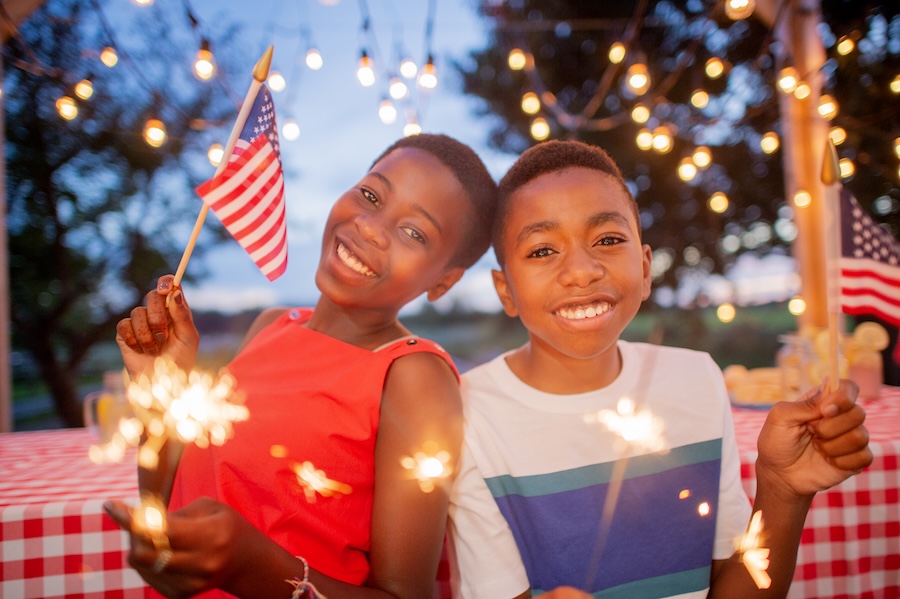
Sparklers can seem harmless next to larger fireworks, but they burn much hotter than many people realize. Once children are excited and it is dark outside, they may wave them around, turn suddenly, or get closer to someone without noticing how near the sparkler is to another person’s face.
It helps to give children plenty of room, have adults handle anything being lit, and decide ahead of time where used sparklers will go. Before everyone heads outside, a quick reminder to keep sparklers pointed away from people and to walk instead of run can prevent a close call later.
From a dental standpoint, an injury to the mouth can involve more than a chipped tooth. Lips, gums, jaw joints, and nearby facial tissue can all be affected at the same time. If a firework or sparkler injury involves heavy bleeding, facial swelling, trouble breathing, or a possible jaw injury, seek emergency medical care right away. For chipped, loose, or knocked-out teeth, call a dental office promptly for guidance.
Backyard Games and Water Days Can Bring Unexpected Falls
Many dental injuries happen during casual play, not organized sports. Someone throws a football a little too hard. A child trips while chasing a frisbee. Two people go after the same ball and collide. The same thing can happen during a bike ride, while skateboarding, or when a child slips on a wet pool deck.
Boating and tubing add a few more ways for a face or mouth injury to happen. A child may bump into the side of a boat, take an unexpected fall while getting on or off a tube, or collide with another person in the water. Those are not reasons to skip a lake day. They are simply good reasons to keep an eye on rough play and make sure children have the safety gear they need.
Mouthguards are worth considering for activities with a real chance of falls or contact. They can be especially helpful for biking, skateboarding, basketball, soccer, baseball, and games where children are likely to bump into one another. A custom mouthguard from a dentist gives the most tailored fit, although a store-bought mouthguard can still offer some protection during higher-impact play.
For children with braces, a mouthguard can be especially helpful. A hit to the mouth can push brackets into the lips or cheeks, turning a relatively minor fall into a more painful injury. The mouthguard creates a layer between the braces and soft tissue while also helping cushion the teeth.
Be Careful With Hard, Sticky, and Surprise Foods
Holiday food is part of the fun, but a few foods are harder on teeth than they look. Ice is a common example. It is easy to crunch without thinking, especially when it is sitting at the bottom of a cold drink. Yet biting ice can chip enamel, crack fillings, and put a lot of pressure on crowns.
Popcorn can cause problems too. Hulls can get wedged near the gums, while unpopped kernels can crack a tooth or damage older dental work. Hard candies, peanut brittle, chewy caramels, and sticky taffy can create similar issues. Sticky foods may pull at a loose crown or filling, while hard foods can find the weak spot in a tooth that was already stressed.
If you have a crown that feels loose, a filling that keeps catching food, or a tooth that hurts when you chew, it is worth going easier on that side of your mouth for the day. Cutting firmer foods into smaller pieces can also take pressure off the front teeth. Corn on the cob, apples, crusty bread, and tougher cuts of meat can all be easier to manage when you are not biting directly into them.
Skip the Habit of Using Teeth to Open Things
This is one of those habits that tends to show up when people are trying to get something done quickly. A bag will not open. A drink tab is stubborn. Nobody can find scissors. So, teeth become the closest available tool.
That quick move can chip enamel, crack a filling, pull on a crown, or leave a front tooth sore for days. You may not even feel much in the moment. Later, you might notice a rough edge, a tooth that feels different when you bite, or sensitivity when you drink something cold.
Keeping scissors, a bottle opener, or a small tool nearby can prevent an injury that was never really connected to the holiday itself. It is a small habit, but it can save you from a very inconvenient dental visit.
If a Tooth Gets Chipped, Loose, or Knocked Out
A chipped tooth can range from a tiny rough edge to a larger break that exposes a sensitive part of the tooth. Rinse your mouth gently with water, use a cold compress on the outside of the cheek if there is swelling, and avoid chewing on that side. If you can find the broken piece, place it in a clean container and bring it with you.
A tooth that feels loose after a fall or impact should also be checked, even when it is still in place. Try not to keep wiggling it to see how loose it is. Avoid chewing on that side and call a dental office for guidance.
If a permanent tooth gets knocked out, pick it up by the crown, not the root. If it is dirty, rinse it gently with milk or a brief rinse of clean water. Do not scrub it or wrap it in tissue. If you can place it back in the socket safely, have the person bite gently on gauze to hold it in place. Otherwise, keep it moist in milk and call a dental office right away.
Do not try to put a baby tooth back into the socket. Call the dentist for guidance, but leave it out so there is less risk of affecting the permanent tooth developing underneath.
Heavy bleeding, facial trauma, serious burns, trouble breathing, or a possible jaw injury should be evaluated through emergency medical care right away.
Know What to Grab if Something Happens
Nobody needs to treat a family cookout like a dental emergency station. Still, it can help to know where a few simple things are when you are hosting or heading somewhere for the day.
Clean gauze, a small container with a lid, bottled water or milk, and the dental office number saved in your phone are usually enough to handle the first few minutes after a chipped tooth, mouth injury, or knocked-out permanent tooth. You may already have most of those things around the house, in a cooler, or in a boat bag. The main thing is knowing what you can grab quickly instead of trying to think through it while everyone is upset.
It can also be smart to know where the nearest urgent care or emergency department is when you are going somewhere unfamiliar for fireworks or a lake day. A dental office can help with tooth injuries, but facial trauma, serious burns, heavy bleeding, or trouble breathing may need medical attention first.
Dental Safety This Independence Day in North Carolina
Independence Day should still feel like a holiday. Enjoy the cookout, the fireworks, the lake day, the games, and the chance to spend time with people you do not see enough. A few practical habits can help keep a dental injury from becoming part of the story.
Keep fireworks and sparklers away from faces, consider mouthguards for higher-impact play, slow down around boating and tubing activities, avoid using teeth to open things, and be a little more careful with hard or sticky foods when a tooth has already been acting up. Then, if an injury does happen, knowing what to do can make the next steps feel clearer.
CarolinasDentist has 16 locations across North Carolina, with dental teams ready to help families with chipped teeth, loose teeth, broken dental work, and other urgent concerns. Call your nearest CarolinasDentist office if someone has a dental injury this Independence Day and needs guidance on what to do next.
Related Posts