
In this post, explore how smile makeovers at CarolinasDentist can boost your confidence and transform your look in the new year.
What Is a Smile Makeover and Is It Worth It?
A smile can change slowly enough that you barely notice it at first. A small chip becomes the tooth your tongue keeps finding. Stains settle in more than they used to. An old crown starts looking different from the teeth around it. Maybe your teeth look shorter, more crowded, less even, or just not quite like they did years ago.
None of that has to be an emergency to bother you. Plenty of people ask about a smile makeover because they are tired of working around the same few things in photos, conversations, or everyday life. They may not want a completely different smile. They may just want their teeth to look healthier, more balanced, and more like themselves again.
At CarolinasDentist, with 16 locations across North Carolina, our team helps patients sort through what they want to change and what their teeth can realistically support. A smile makeover may include cosmetic treatments, restorative care, or both. Whether it is worth it depends on your oral health, your goals, your budget, and how much the current concerns affect the way you feel about your smile.
What Is a Smile Makeover?
A smile makeover is a treatment plan that improves the appearance of your smile by addressing the things that bother you most. That may include tooth color, chips, worn edges, uneven spacing, crowding, old dental work, missing teeth, or teeth that look out of proportion with the rest of your face.
Some smile makeovers are fairly small. Whitening and a little bonding may be enough to freshen the smile and smooth out a few rough edges. Other plans are more involved, especially when old crowns, cracked teeth, bite problems, missing teeth, or worn enamel are part of the picture.
The word “makeover” can make it sound like everything happens at once, but that is not always how it works. Many patients do better with a step-by-step plan. Some treatment may be cosmetic, while other parts may be needed to repair teeth, replace old dental work, or make the bite more stable.
Before anything is recommended, the team needs to look at the teeth, gums, bite, and existing restorations. Cosmetic dentistry has to work in a real mouth, not just on a screen or shade guide. That is why planning matters before choosing treatments.
What Can a Smile Makeover Improve?
A smile makeover may help if more than one concern is affecting the way your smile looks. Common reasons patients ask about treatment include stained teeth, chipped teeth, small gaps, crowding, worn edges, uneven shapes, missing teeth, old fillings, or crowns that no longer blend in.
For some patients, the main issue is color. Teeth can darken over time from coffee, tea, wine, tobacco, aging, or everyday staining. Professional whitening may help brighten natural enamel, though it will not change the color of crowns, veneers, bonding, or fillings.
For others, the issue is shape. A chipped front tooth, uneven edge, or small gap can draw the eye even if the tooth is healthy. Bonding, veneers, or reshaping may help depending on the size of the change and how much biting pressure the tooth handles.
Sometimes the concern is more than cosmetic. A tooth may look worn because of grinding. A crown may look mismatched because it is old or failing. A gap may exist because a tooth is missing. In those cases, the smile makeover may include restorative work so the teeth look better and hold up better.
Why Oral Health Comes First
The visible part of a smile makeover is usually what gets people interested. Brighter teeth, smoother edges, better spacing, and a more even smile are easy to picture. Still, the teeth and gums need to be checked before cosmetic treatment begins.
Cavities, gum disease, cracked teeth, infection, heavy grinding, and unstable old dental work can all affect the plan. If those issues are ignored, cosmetic treatment may not last as well or may not solve the real problem. A veneer on a tooth with untreated decay, for example, is not a great long-term plan.
The gums also play a role in how the finished smile looks. Inflamed or bleeding gums can change the way teeth are framed. Gum recession can expose darker root surfaces or make teeth look longer. If gum health needs attention first, that step can help make the final result cleaner and more predictable.
At CarolinasDentist, our team looks at both appearance and function before recommending treatment. That does not make the process more complicated than it needs to be. It simply helps make sure the smile you are improving has a healthy foundation.
Common Treatments in a Smile Makeover
A smile makeover can include several different treatments, and the right combination depends on what needs to change. Whitening, bonding, veneers, crowns, Invisalign, gum care, tooth replacement, and replacement of old dental work may all be part of the conversation.
Whitening is often used when natural teeth are healthy but stained. It can make a noticeable difference, especially before other cosmetic work is done. If crowns, veneers, or fillings show when you smile, the team may plan whitening first so any new dental work can be matched to the brighter shade.
Bonding can repair small chips, close minor gaps, and reshape edges using tooth-colored material. It is usually more conservative than veneers or crowns, but it may not be the best choice for large changes or areas that take heavy chewing pressure.
Veneers may be used on front teeth when concerns involve color, shape, size, spacing, or minor wear. Crowns may be recommended when teeth need more coverage because of cracks, large fillings, decay, or heavy wear. Clear aligners may help if crowded or shifted teeth are affecting the overall look.
Choosing the Right Treatment for the Tooth
Not every tooth needs the same kind of treatment. A healthy tooth with a small chip may only need bonding. A worn tooth with a large filling may need a crown. A crowded smile may look better after aligners, even before whitening or veneers are considered.
That is why a smile makeover should be planned tooth by tooth while still keeping the whole smile in mind. The front teeth may be the most visible, but the bite, back teeth, gumline, and existing dental work can all affect the result.
For example, whitening may be a good first step if the teeth are healthy and the main concern is color. However, if a front crown no longer matches, whitening alone will not change that crown. The natural teeth may get brighter, while the crown stays the same shade.
In the same way, veneers can improve the appearance of front teeth, but they may not be the right answer for every chip, gap, or worn edge. Sometimes a more conservative option makes sense. Other times, a stronger restoration is needed because the tooth has already lost too much structure.
What Happens During a Smile Makeover Consultation
A smile makeover consultation starts with what you want to change. You may be bothered by one tooth, several teeth, old dental work, discoloration, spacing, or the overall balance of your smile. It helps to be specific, even if the concern feels small.
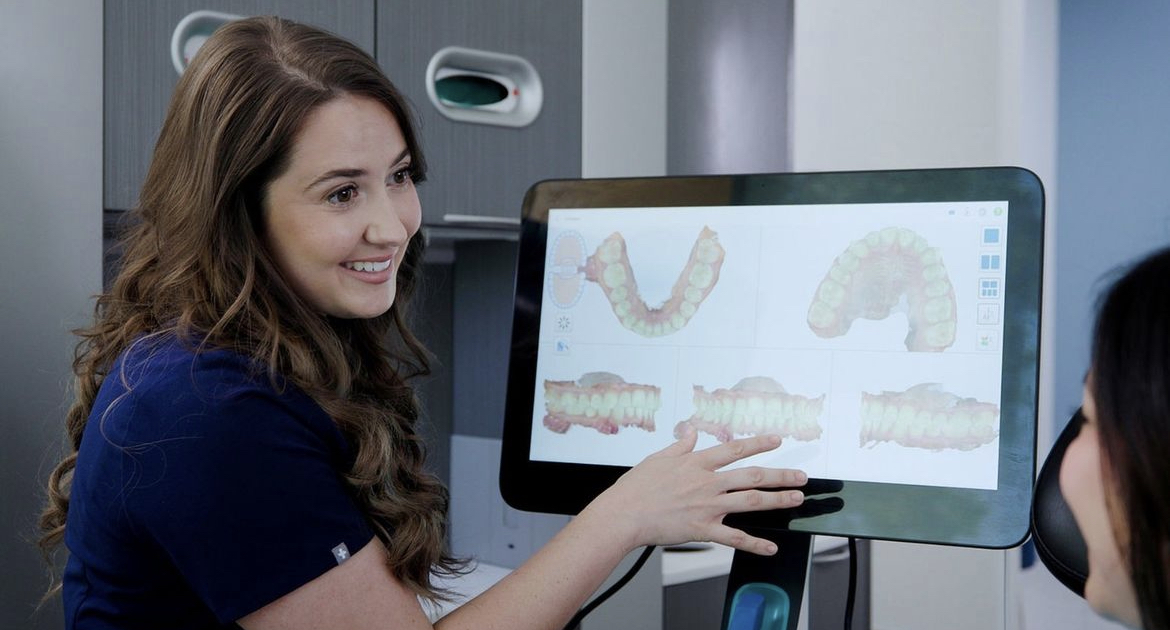
From there, the team will look at your teeth, gums, bite, and existing dental work. Photos, X-rays, scans, or impressions may be used depending on the treatment being considered. These records help show what is healthy, what needs repair, and what options are realistic.
The conversation may also include timing, cost, maintenance, and how noticeable you want the change to be. Some patients want a brighter and more polished look. Others want a smaller update that blends in quietly with their natural teeth.
At CarolinasDentist, our team can also talk through whether treatment can be phased. That can be helpful if certain teeth need attention first or if you want to spread treatment out over time. A clear plan makes it easier to understand what is needed now and what can wait.
Is a Smile Makeover Worth It?
A smile makeover may be worth it if the concerns you have are affecting how you feel about your smile and the treatment plan makes sense for your teeth. For some people, that value comes from finally repairing chips, replacing old crowns, or improving worn teeth. For others, it comes from feeling less distracted by staining, gaps, or uneven edges.
The value is not always about a dramatic before-and-after. Sometimes it is about small changes that make the smile look more balanced. A tooth that blends better, edges that look smoother, or a shade that feels brighter can be enough.
Still, it is worth being honest about what each treatment can and cannot do. Whitening fades over time. Bonding can stain or chip. Veneers and crowns need maintenance and may eventually need replacement. Aligners take consistency. Dental implants or bridges take planning and healing time.
A smile makeover is worth considering when the benefits feel meaningful to you and the plan is healthy, realistic, and clearly explained. It is probably not worth rushing into if you feel unsure, pressured, or unclear about why certain treatments are being recommended.
A Natural-Looking Smile Takes Careful Choices
Many patients want their smile to look better without looking fake. That usually comes down to details like shade, shape, size, texture, spacing, and how the teeth fit the lips and face.
Tooth color is only one part of the result. Teeth that are too bright for the face can stand out. Teeth that are too flat, too long, or too identical can also look less natural. Small variations in shape and texture often make cosmetic dentistry blend better.
The gumline affects the result too. If the gums are uneven, inflamed, or receded, the teeth may not look as balanced as they could. The bite also matters because restorations need to handle normal chewing without chipping, cracking, or feeling bulky.
This is why copying someone else’s smile rarely works well. A good result should fit your face, your teeth, and your bite. The goal is not to make your smile look like it belongs to someone else.
How Long Does a Smile Makeover Take?
The timeline depends on what is included. Whitening and minor bonding may be completed fairly quickly. A plan involving aligners, gum treatment, crowns, veneers, implants, or replacement of old dental work will usually take longer.
If cavities, gum disease, infection, or unstable teeth are present, those issues usually need attention before cosmetic treatment. This may add time, but it can help avoid problems with the final result.
Clear aligners can also add several months or more, depending on how much the teeth need to move. In some cases, moving the teeth first can make veneers, bonding, or crowns more conservative because the teeth are in better positions before cosmetic work starts.
If you have a wedding, reunion, graduation, work event, or other date in mind, mention it during the consultation. Some improvements may be possible before a deadline, while others may need more time to do well.
How Much Does a Smile Makeover Cost?
The cost of a smile makeover varies because the treatment plan varies. Whitening and bonding usually cost less than veneers, crowns, implants, or orthodontic treatment. The number of teeth involved also affects the total cost.
Other factors can affect cost too. Some patients need gum treatment, cavity repair, replacement of old dental work, or treatment for cracked teeth before cosmetic work begins. Materials, lab work, and the complexity of the case can also change the estimate.
During the planning process, CarolinasDentist can review what is recommended and why. If the full plan is more than you want to do at one time, ask whether treatment can be phased. Many patients prefer to handle the most important needs first and plan the rest later.
Before starting, you should understand what is included, what insurance may or may not cover, and what payment options may be available. That conversation should happen early enough that cost does not feel like a surprise after decisions have already been made.
How Long Do Smile Makeover Results Last?
Smile makeover results can last for years, but the timeline depends on the treatments used and the habits that follow. Whitening results fade as teeth pick up new stains. Bonding may need polishing, repair, or replacement sooner than porcelain restorations. Veneers and crowns can last a long time, but they are not permanent.
Daily care makes a difference. Brushing, flossing, routine cleanings, and wearing a nightguard if you grind can help protect your results. It also helps to avoid chewing ice, biting fingernails, using teeth as tools, or crunching hard candy.
Gum health should be monitored after treatment as well. Recession, inflammation, or gum disease can change the way teeth and restorations look over time. Regular dental visits help the team watch for those changes.
A smile makeover is not something to ignore once the treatment is finished. The work should be maintained, checked, and protected so the results hold up as well as possible.
Who May Be a Good Candidate?
You may be a good candidate for a smile makeover if you want to improve the look of your smile and your teeth and gums can support treatment. Common concerns include stains, chips, worn edges, uneven spacing, old crowns, old fillings, missing teeth, or teeth that look uneven.
You do not need a perfect mouth before asking about cosmetic dentistry. In fact, many smile makeovers include treatment that repairs or strengthens teeth along the way. What matters is that any active problems are identified and handled in the right order.
Patients with untreated gum disease, active cavities, infection, severe grinding, or unstable teeth may need care before cosmetic treatment begins. Starting with those issues can make the final cosmetic work more comfortable, stable, and easier to maintain.
A consultation can help you understand what is possible. CarolinasDentist can explain which options fit your teeth and which ones may not be the best match.
Questions to Ask Before Starting
Before starting a smile makeover, it helps to ask clear questions. This keeps the conversation focused on your goals, the health of your teeth, and the amount of treatment you are comfortable with.
- What concerns can be treated with the most conservative option?
- Which teeth need attention first for health or function?
- Will whitening affect my crowns, veneers, bonding, or fillings?
- Would bonding, veneers, crowns, or aligners be a better fit for my goals?
- How long will the full plan take?
- Can treatment be done in phases?
- What maintenance will I need after treatment?
- How long are the results expected to last?
These questions can help you compare options without feeling boxed into one path. They also help you understand whether a recommendation is cosmetic, restorative, or a mix of both.
Smile Makeover in North Carolina
A smile makeover can help improve stains, chips, gaps, worn edges, older dental work, missing teeth, and other concerns that affect the way your smile looks. The plan may be small or more involved, depending on your teeth and what you want to change.
At CarolinasDentist, with 16 locations across North Carolina, our team can help you explore cosmetic and restorative options such as whitening, bonding, veneers, crowns, clear aligners, tooth replacement, and phased treatment plans. The process starts with looking at your teeth, gums, bite, and goals so the recommendations make sense for your mouth.
If you are wondering whether a smile makeover is worth it, schedule a visit with CarolinasDentist. Our team can help you understand your options and decide what kind of treatment, if any, feels like the right next step.
FAQs
What is included in a smile makeover? A smile makeover may include whitening, bonding, veneers, crowns, clear aligners, gum treatment, tooth replacement, or replacement of older dental work. The exact plan depends on your teeth, goals, oral health, and budget.
Is a smile makeover only cosmetic? Not always. Some smile makeovers include restorative treatment to repair damaged, worn, cracked, or missing teeth. The goal may be cosmetic, functional, or both.
How do I know if a smile makeover is worth it? A smile makeover may be worth it if the concern affects how you feel about your smile and the treatment plan is healthy, realistic, and clearly explained. A consultation can help you compare your options.
Do I need healthy gums before a smile makeover? Yes, gum health is important before cosmetic treatment. Inflamed or unhealthy gums can affect how the final result looks and how long it lasts.
Can I do a smile makeover in stages? Yes, many smile makeovers can be phased over time. CarolinasDentist can help you understand which treatments should come first and which can be planned later.
Will a smile makeover look natural? It can look natural when the plan considers tooth shape, shade, size, gumline, bite, and facial features. Many patients want their smile to look better without looking overly bright or artificial.
Related Posts