In this post, learn what sleep apnea is, its symptoms, and how it can affect your health, along with treatment options that can help.
Sleep & Oral Health: How Sleep Disorders Can Affect Your Teeth
Sleep and dental health don’t always seem connected at first. Most people think of brushing, flossing, and maybe the occasional cavity. Sleep tends to fall into a completely different category—something separate from what happens in your mouth. But over time, the two start to overlap in ways that are easy to miss.
It often shows up in small signs first. Jaw soreness in the morning. Teeth that feel a little more sensitive than they used to. Maybe even a comment during a routine cleaning and exam about wear patterns or clenching.
Those details are often tied back to what’s happening while you’re asleep.
Sleep & Oral Health: Where the Connection Starts
Sleep is when the body resets, but it’s also when certain habits or conditions show up more clearly.
Clenching, grinding, airway restriction, and even dry mouth tend to happen without you being aware of them. Because they occur at night, they can go on for a long time before they’re noticed.
From a dental perspective, that’s usually where the first clues appear. During a comprehensive dental exam, things like enamel wear, small fractures, or inflammation in the jaw can point to patterns that aren’t obvious during the day.
It’s less about diagnosing a sleep disorder in the dental chair and more about recognizing when something doesn’t quite line up.
Teeth Grinding (Bruxism) and Nighttime Clenching
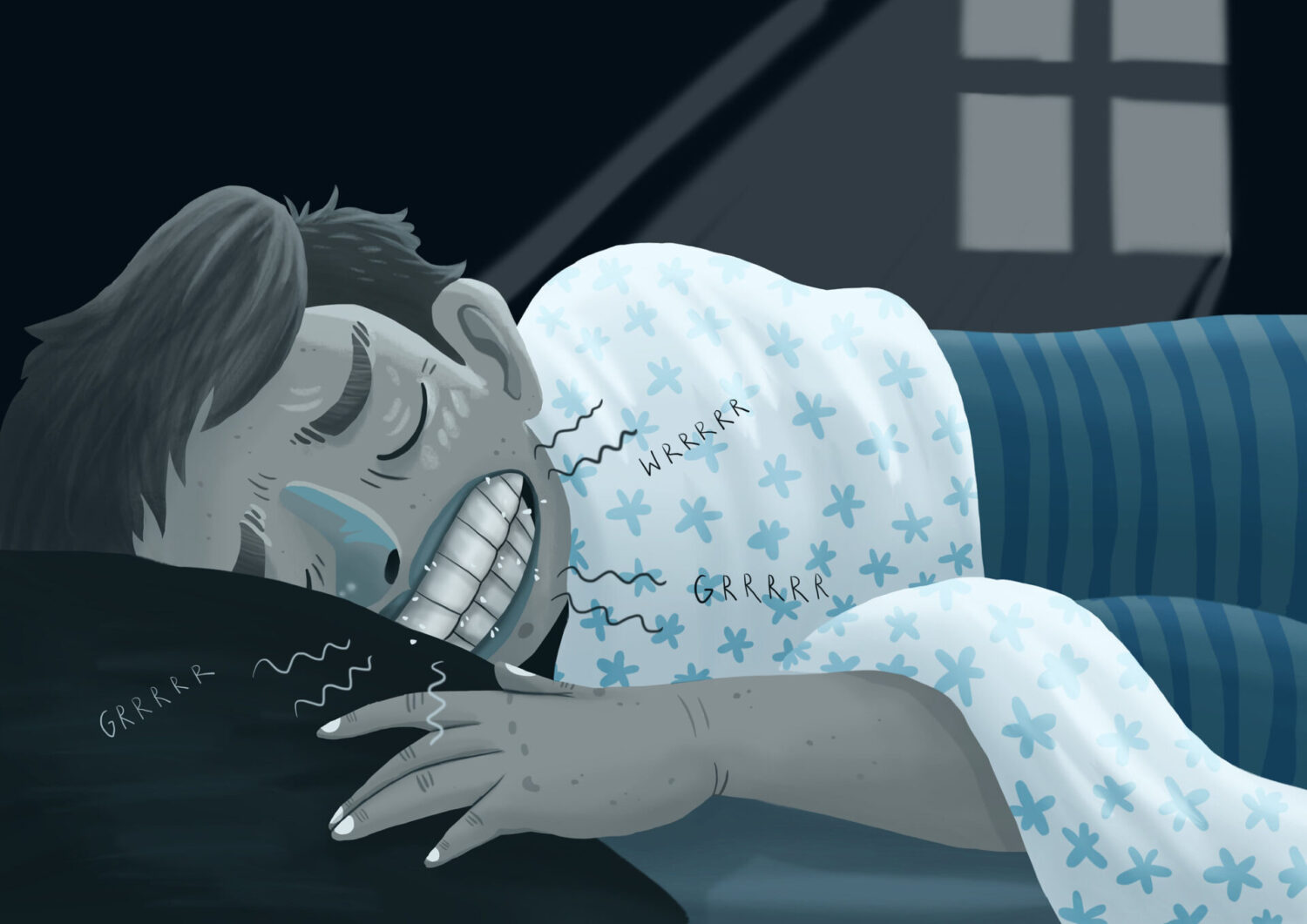
One of the most common ways sleep affects oral health is through grinding or clenching.
Some patients are aware of it, but many aren’t. It’s often something a partner notices first, or it comes up during a visit when wear patterns start to show on the teeth.
Over time, that pressure can lead to flattened edges, small chips, or increased sensitivity. The jaw muscles can also become sore or tight, especially in the morning.
When this comes up, treatment usually focuses on protecting the teeth and reducing strain. A custom nightguard is often recommended to create a barrier between the teeth and help absorb some of that pressure while you sleep.
Sleep Apnea and Its Impact on Oral Health
Sleep apnea is a different kind of issue, but it can still show up in the mouth.
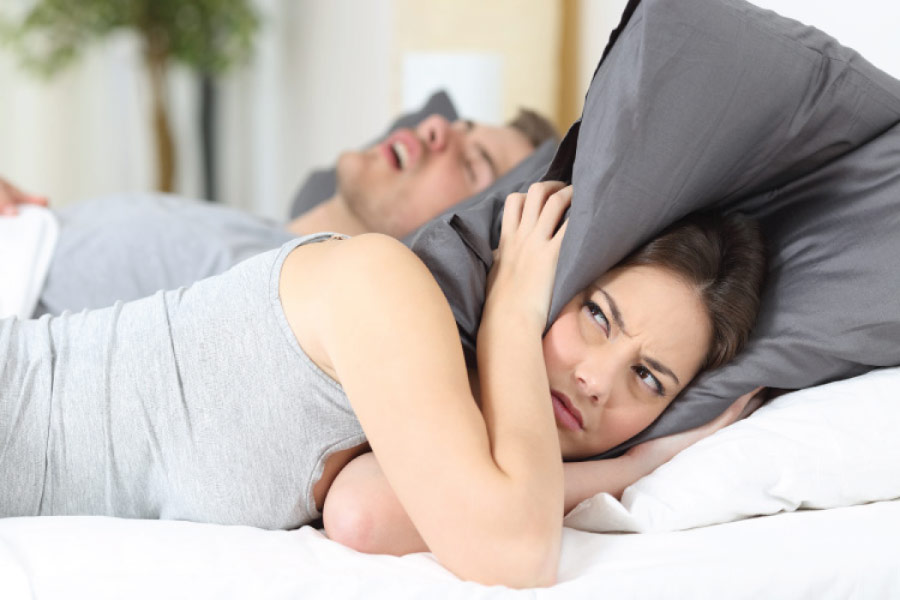
It involves repeated pauses in breathing during sleep, often due to airway obstruction. Patients may not always be aware it’s happening, but signs can include snoring, waking up feeling unrested, or feeling tired throughout the day.
From a dental standpoint, there are sometimes physical indicators—things like tongue positioning, airway space, or wear patterns from clenching that develops as the body responds to disrupted breathing.
In some cases, oral appliance therapy can be part of the solution. These devices are designed to help keep the airway open during sleep and are often discussed alongside other treatment options depending on the situation.
Dry Mouth and Nighttime Breathing
Another connection between sleep and oral health comes from breathing patterns.
Patients who breathe through their mouth at night often experience dry mouth. Saliva plays an important role in protecting teeth, so when it’s reduced, the risk of cavities and gum irritation can increase.
This is something that may not feel obvious right away, but it tends to show up over time. Areas of the mouth may become more prone to decay or sensitivity, even when daily hygiene habits are consistent.
Addressing dry mouth can involve simple changes, but it’s also something we keep an eye on during regular visits.
Jaw Pain, Headaches, and Sleep Disruption
Sleep-related dental issues don’t always stay limited to the teeth.
Jaw tension from clenching or grinding can lead to headaches, facial soreness, or discomfort when opening and closing the mouth. These symptoms are often most noticeable in the morning and may ease as the day goes on.
Because these patterns happen during sleep, patients don’t always connect the symptoms to what’s causing them. But, that’s where regular exams help, because small signs can point to a larger pattern that’s worth addressing.
What to Watch for at Home
Even though many of these issues happen during sleep, there are still signs you might notice.
Morning jaw soreness, frequent headaches, increased tooth sensitivity, or waking up with a dry mouth are all worth paying attention to. Snoring or feeling unrested despite a full night of sleep can also be part of the picture.
These don’t always point to a single cause, but they can help start the conversation during your next visit.
How Dental Care Supports Better Sleep Health
Dentistry doesn’t replace medical sleep care, but it often plays a role in recognizing and managing certain conditions.
Whether it’s identifying signs of grinding, recommending a nightguard, or discussing options for airway support, the goal is to address what’s happening in a way that protects both your teeth and your overall health.
Staying consistent with cleanings and exams allows these patterns to be caught earlier, before they lead to more significant wear or discomfort.
Sleep & Oral Health Care Across North Carolina at Carolinasdentist
At CarolinasDentist, with locations across North Carolina, your dental visits include more than just checking for cavities. The team is also paying attention to how habits, patterns, and overall health may be affecting your teeth over time.
If you’ve been waking up with jaw discomfort, noticing changes in your teeth, or simply want to understand how sleep may be affecting your oral health, scheduling a visit is a good place to start. A comprehensive dental exam can help connect those dots and guide next steps that make sense for you.
Image from Authority Dental under CC 2.0
Related Posts