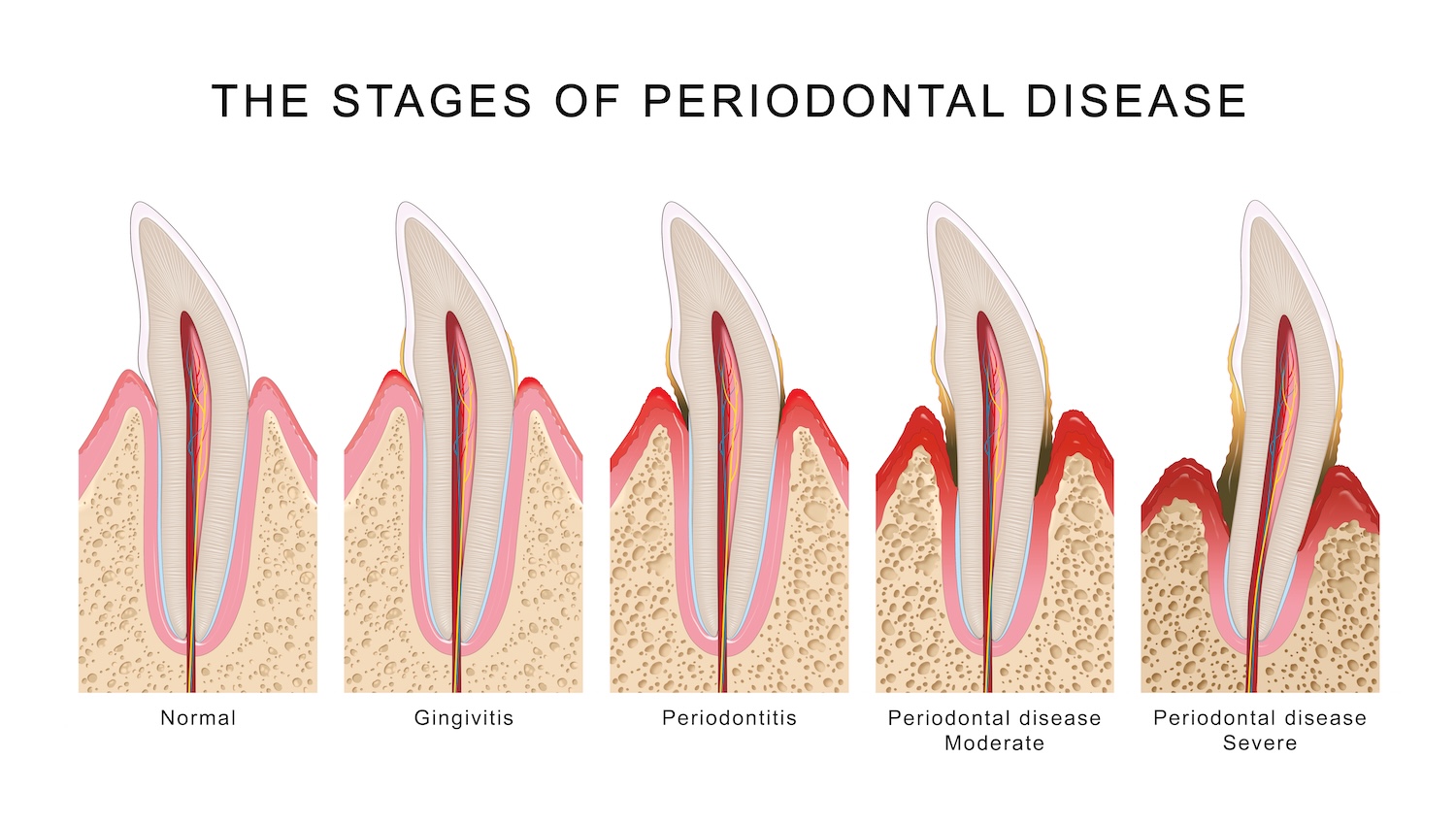
In this post, we explore how oral health and heart health are connected and why healthy gums support overall wellness.
What Dry Mouth Says About Your Health

Everyone wakes up with a dry mouth now and then—but if it’s happening often, your body might be sending a message. Saliva does more than just keep your mouth comfortable. It helps protect your teeth, wash away bacteria, and even kickstart digestion. At CarolinasDentist, with 15 locations across North Carolina, our team helps patients uncover what’s behind persistent dry mouth—and how to fix it before it leads to bigger issues.
Why Saliva Matters More Than You Think
It might not get much attention, but saliva is your mouth’s natural defense system. It neutralizes acids, keeps enamel strong, and rinses away leftover food and bacteria. When saliva levels drop, your teeth and gums lose some of that protection, leaving you more vulnerable to cavities, bad breath, and gum disease.
If your mouth often feels sticky, your tongue feels dry, or you find yourself sipping water constantly, those are all signs that your saliva flow isn’t where it should be.
Common Causes of Dry Mouth
Several everyday factors can cause or worsen dry mouth, including:
Medications: This is the most common reason. Blood pressure meds, antihistamines, antidepressants, and many others list dry mouth as a side effect.
Dehydration: Not drinking enough water, especially with caffeine or alcohol intake, can dry out your mouth quickly.
Mouth Breathing: Whether from congestion or habit, breathing through your mouth can reduce moisture.
Tobacco Use: Smoking or vaping interferes with saliva production and can worsen dryness.
Medical Conditions: Diabetes, thyroid disorders, or autoimmune diseases like Sjögren’s syndrome can also be underlying causes.
Understanding the “why” is the first step toward finding lasting relief.
What Dry Mouth Can Mean for Your Oral Health
When saliva production drops, plaque bacteria can thrive. That means higher risks for tooth decay, gum irritation, and even mouth infections. You might notice burning sensations on your tongue, difficulty swallowing, or that food tastes different than it used to. Over time, untreated dry mouth can also make dentures or appliances less comfortable to wear.
Drinking water helps, but persistent dryness usually needs a more tailored approach. That’s where your dentist can help pinpoint the cause and recommend options that actually work.
How to Find Relief
Depending on what’s causing your dry mouth, simple changes can make a big difference:
Stay hydrated throughout the day—keep water nearby, especially during long conversations or workouts.
Use sugar-free gum or lozenges to stimulate saliva flow.
Avoid alcohol-based mouthwashes, which can make dryness worse.
Try a moisturizing mouth rinse or gel, available at most pharmacies.
Limit caffeine, alcohol, and tobacco.
Talk to your doctor or dentist if medications are the cause—they may adjust dosages or timing to reduce symptoms.
When to See a Dentist
If you’re constantly reaching for water, waking up with a sticky mouth, or noticing new cavities despite good brushing, it’s worth scheduling an appointment. At CarolinasDentist, we take dry mouth seriously because it can reveal a lot about your overall health. Sometimes it’s a simple fix, and sometimes it’s a clue to something deeper—either way, it’s worth listening to what your mouth is telling you.
Find Relief and Restore Balance at CarolinasDentist
You don’t have to live with dry mouth or guess at the cause. Our team at CarolinasDentist, with offices throughout North Carolina, can help identify what’s going on and create a plan that brings your mouth—and your comfort—back to normal. Whether it’s adjusting habits, changing products, or coordinating with your physician, we’ll help you protect your smile from the inside out.
Schedule your visit today and take the first step toward a healthier, more comfortable smile.
Related Posts